
Understanding Low Pressure Rubber Hoses: Essential Insights for Automotive Applications
Jun 09,2026
Low pressure rubber hoses are vital components in various automotive systems, providing essential functions that enhance vehicle performance and reliability. These hoses are typically designed to handle fluids at lower pressure levels, making them suitable for applications such as coolant lines, fuel lines, and air intake systems. Understanding the features and benefits of low pressure rubber hose
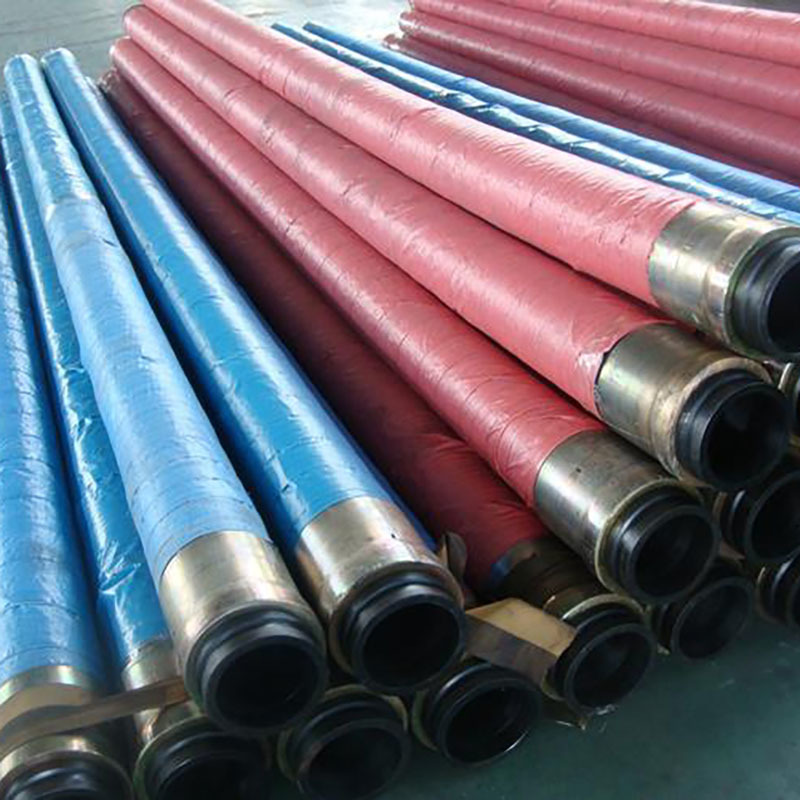
Low pressure rubber hoses are vital components in various automotive systems, providing essential functions that enhance vehicle performance and reliability. These hoses are typically designed to handle fluids at lower pressure levels, making them suitable for applications such as coolant lines, fuel lines, and air intake systems. Understanding the features and benefits of low pressure rubber hoses can significantly impact the efficiency and safety of automotive operations.
One of the primary characteristics of low pressure rubber hoses is their flexibility. This flexibility allows for easy routing in tight spaces within vehicle assemblies, accommodating complex designs without compromising performance. Most low pressure hoses are made from high-quality rubber compounds that offer excellent resistance to heat, abrasion, and environmental factors. This durability is crucial, particularly for automotive applications where exposure to various elements is common.
In terms of applications, low pressure rubber hoses are frequently used in cooling systems, where they transport coolant to regulate engine temperature. They are also used in fuel delivery systems, ensuring a reliable flow of fuel to the engine under low-pressure conditions. Another critical application is in air intake systems, where they help maintain the air flow necessary for optimal engine combustion. The ability of these hoses to withstand variations in temperature and pressure makes them highly suitable for these roles.
When selecting a low pressure rubber hose, it’s essential to consider factors such as size, compatibility with fluids, and temperature ratings. Ensuring that the hose material is compatible with the fluids it will carry is crucial to prevent degradation and leaks. Additionally, the hose should meet the temperature specifications of the system to which it is connected, as excessive heat can lead to premature failure.
Regular maintenance of low pressure rubber hoses can extend their lifespan significantly. Inspecting hoses for signs of wear, such as cracks, bulges, or leaks, is vital. If any damage is detected, timely replacement is essential to avoid potential system failures. Additionally, ensuring proper installation and avoiding sharp bends or kinks will help maintain the structural integrity of the hose.
In conclusion, low pressure rubber hoses are indispensable in automotive applications, offering flexibility, durability, and reliability. By understanding their properties and maintenance needs, automotive professionals can ensure that these essential components continue to perform effectively, contributing to the overall efficiency and safety of the vehicles in which they are used.
One of the primary characteristics of low pressure rubber hoses is their flexibility. This flexibility allows for easy routing in tight spaces within vehicle assemblies, accommodating complex designs without compromising performance. Most low pressure hoses are made from high-quality rubber compounds that offer excellent resistance to heat, abrasion, and environmental factors. This durability is crucial, particularly for automotive applications where exposure to various elements is common.
In terms of applications, low pressure rubber hoses are frequently used in cooling systems, where they transport coolant to regulate engine temperature. They are also used in fuel delivery systems, ensuring a reliable flow of fuel to the engine under low-pressure conditions. Another critical application is in air intake systems, where they help maintain the air flow necessary for optimal engine combustion. The ability of these hoses to withstand variations in temperature and pressure makes them highly suitable for these roles.
When selecting a low pressure rubber hose, it’s essential to consider factors such as size, compatibility with fluids, and temperature ratings. Ensuring that the hose material is compatible with the fluids it will carry is crucial to prevent degradation and leaks. Additionally, the hose should meet the temperature specifications of the system to which it is connected, as excessive heat can lead to premature failure.
Regular maintenance of low pressure rubber hoses can extend their lifespan significantly. Inspecting hoses for signs of wear, such as cracks, bulges, or leaks, is vital. If any damage is detected, timely replacement is essential to avoid potential system failures. Additionally, ensuring proper installation and avoiding sharp bends or kinks will help maintain the structural integrity of the hose.
In conclusion, low pressure rubber hoses are indispensable in automotive applications, offering flexibility, durability, and reliability. By understanding their properties and maintenance needs, automotive professionals can ensure that these essential components continue to perform effectively, contributing to the overall efficiency and safety of the vehicles in which they are used.
TAG:

Contact Us
Phone/WhatsApp
Address
Fotai, Duqiao Town, Jing County, Hengshui City, Hebei Province, China
Your One Stop, One Solution!
Each optimal solution is determined by its particular application requirements, design, and installation parameters combined with our experience and know-how on rubber hose technology.
CONTACT US
E-Mail: andy@ydhose.com
Tel.:+86-18732861678
WhatsApp:+8613676932567
Address:Fotai, Duqiao Town, Jing County, Hengshui City, Hebei Province, China


