
Essential Guide to Maintaining Your Large Diameter Metal Hose for Optimal Performance
Sep 03,2026
How to Maintain Your Large Diameter Metal Hose for Optimal Performance
Table of Contents
1. Understanding Large Diameter Metal Hoses
2. The Importance of Proper Maintenance
3. Routine Inspection Checklist
3.1 Visual Inspection Techniques
3.2 Testing for Leaks
4. Cleaning Your Metal Hose
4.1 Recommended Cleaning Solutions
4.2 Steps for Effective Cleaning
5. Storage Guidelines for Longevity
6. Troub
How to Maintain Your Large Diameter Metal Hose for Optimal Performance
Table of Contents
1. Understanding Large Diameter Metal Hoses
2. The Importance of Proper Maintenance
3. Routine Inspection Checklist
3.1 Visual Inspection Techniques
3.2 Testing for Leaks
4. Cleaning Your Metal Hose
4.1 Recommended Cleaning Solutions
4.2 Steps for Effective Cleaning
5. Storage Guidelines for Longevity
6. Troubleshooting Common Issues
7. When to Replace Your Metal Hose
8. FAQs About Large Diameter Metal Hose Maintenance
9. Conclusion
1. Understanding Large Diameter Metal Hoses
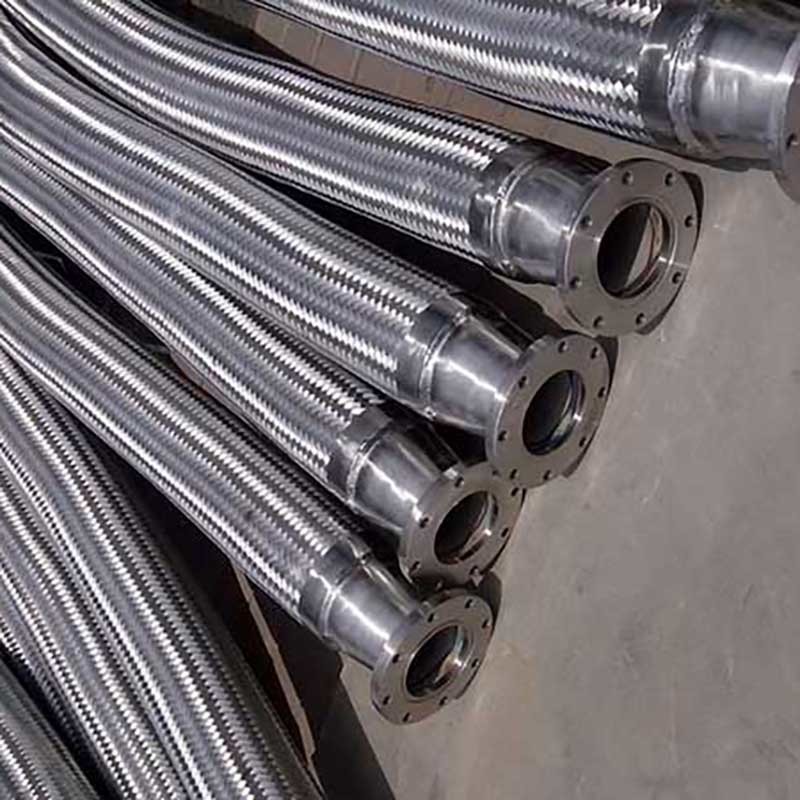
Large diameter metal hoses are engineered to handle the transfer of various fluids and gases in industrial applications. Their robust construction allows them to withstand high pressures and temperatures, making them essential components in manufacturing, automotive, and chemical industries. These hoses are typically made from materials such as stainless steel, which not only provides strength but also excellent corrosion resistance.
2. The Importance of Proper Maintenance
Maintaining your large diameter metal hose is crucial for optimal performance. Regular maintenance helps prevent leaks, reduces downtime, and extends the lifespan of your equipment. By ensuring your hose is in top condition, you can avoid costly repairs and improve overall efficiency in your operations. Not only does proper care enhance performance, but it also protects the safety of your team and the environment.
3. Routine Inspection Checklist
To ensure your large diameter metal hose functions correctly, a routine inspection is essential. This includes a thorough visual inspection and specific tests to identify potential issues before they escalate.
3.1 Visual Inspection Techniques
Begin by visually examining the hose for any signs of wear and tear. Look for:
- **Cracks or cuts**: Damage can lead to leaks and reduced performance.
- **Corrosion**: Check for signs of rust, especially if the hose is exposed to moisture or chemicals.
- **Kinks or bends**: These can restrict flow and create stress points.
Regular visual inspections should be part of your operational routine, ideally before and after each use.
3.2 Testing for Leaks
Leak testing is vital for maintaining the integrity of your metal hose. Follow these steps:
- **Pressurize the Hose**: Gradually increase the pressure to the recommended operating level.
- **Apply a Leak Detection Solution**: Use a soap solution or commercially available leak detection fluid.
- **Observe for Bubbles**: Any bubbling indicates a leak that requires immediate attention.
Conduct leak tests at regular intervals to ensure there are no hidden issues.
4. Cleaning Your Metal Hose
Cleaning your large diameter metal hose is essential to remove contaminants and maintain optimal flow. Accumulated debris can hinder performance and cause premature wear.
4.1 Recommended Cleaning Solutions
Choose cleaning solutions that are compatible with the materials of your hose. Common options include:
- **Mild detergents**: Effective for removing general grime.
- **Solvent-based cleaners**: Suitable for oils and heavy residues, but ensure they are non-corrosive.
Always verify that the cleaning solution does not react negatively with the hose material.
4.2 Steps for Effective Cleaning
To clean your metal hose properly, follow these steps:
1. **Disconnect the Hose**: Ensure the system is depressurized and disconnected for safety.
2. **Rinse with Water**: Remove loose debris by flushing the hose with water.
3. **Apply Cleaner**: Use the recommended cleaning solution, scrubbing with a brush if necessary.
4. **Rinse Thoroughly**: Ensure all cleaning agents are completely washed out to avoid contamination.
5. **Dry Completely**: Before reconnecting, ensure the hose is fully dried to prevent internal corrosion.
5. Storage Guidelines for Longevity
Proper storage of large diameter metal hoses is crucial for maintaining their integrity and performance. Here are some best practices:
- **Store Indoors**: Keep hoses in a controlled environment to prevent exposure to extreme temperatures and moisture.
- **Avoid Kinking**: Store hoses in a manner that avoids kinks or bends, which can create weak points.
- **Use Hose Supports**: If the hoses are coiled, use supports or racks to maintain their shape and prevent damage.
Adhering to these storage practices ensures that your hoses remain in peak condition for their next use.
6. Troubleshooting Common Issues
Despite regular maintenance, issues may still arise. Here are common problems and their solutions:
- **Leaking Connections**: Check the fittings and seals; they may need tightening or replacing.
- **Reduced Flow Rate**: Inspect for kinks, blockages, or internal degradation.
- **Discoloration or Odor**: This could indicate chemical contamination; inspect and clean immediately.
Timely troubleshooting can prevent small issues from becoming significant problems.
7. When to Replace Your Metal Hose
Knowing when to replace your large diameter metal hose is critical for safety and performance. Signs that it’s time for a replacement include:
- **Severe Wear**: If the hose shows significant cracks, tears, or corrosion that cannot be repaired, it’s time for a new hose.
- **Frequent Leaks**: If leaks occur frequently despite repairs, the integrity of the hose may be compromised.
- **Changes in Performance**: If you notice a drop in flow rate or pressure, replacement might be necessary.
Always consult manufacturer guidelines for the expected lifespan of your hoses and replace them as needed.
8. FAQs About Large Diameter Metal Hose Maintenance
Q1: How often should I inspect my metal hose?
A1: A thorough inspection should be conducted before and after each use, with more comprehensive checks scheduled monthly.
Q2: Can I use any cleaning solution on my metal hose?
A2: No, always choose cleaning solutions compatible with the hose material to avoid damage.
Q3: What are the signs that my hose needs replacing?
A3: Look for severe wear, frequent leaks, or noticeable changes in performance.
Q4: Is it necessary to store metal hoses indoors?
A4: Yes, indoor storage prevents exposure to environmental factors that can degrade the hose quality.
Q5: What can cause a reduction in flow rate?
A5: Kinks, blockages, or internal damage can all lead to reduced flow rates in metal hoses.
9. Conclusion
Maintaining your large diameter metal hose is not just a routine task, but a critical component of ensuring optimal performance and safety in your operations. By adhering to a comprehensive maintenance schedule that includes regular inspections, effective cleaning practices, and proper storage techniques, you can significantly extend the lifespan of your hoses. Remember to troubleshoot issues promptly and replace hoses when necessary. With this guide, you are well-equipped to keep your metal hoses functioning at their best, ensuring efficiency and reliability in your industrial applications.
TAG:

Contact Us
Phone/WhatsApp
Address
Fotai, Duqiao Town, Jing County, Hengshui City, Hebei Province, China
Your One Stop, One Solution!
Each optimal solution is determined by its particular application requirements, design, and installation parameters combined with our experience and know-how on rubber hose technology.
CONTACT US
E-Mail: andy@ydhose.com
Tel.:+86-18732861678
WhatsApp:+8613676932567
Address:Fotai, Duqiao Town, Jing County, Hengshui City, Hebei Province, China


