
The Science Behind High Pressure Rubber Hose Manufacturing Explained: An In-Depth Analysis
Jun 06,2026
The Science Behind High Pressure Rubber Hose Manufacturing Explained
Table of Contents
1. Introduction to High Pressure Rubber Hoses
2. Key Materials Used in High Pressure Rubber Hose Manufacturing
3. The Manufacturing Process of High Pressure Rubber Hoses
4. Design Considerations for Optimal Performance
5. Testing and Quality Assurance in Rubber Hose Production
6. App
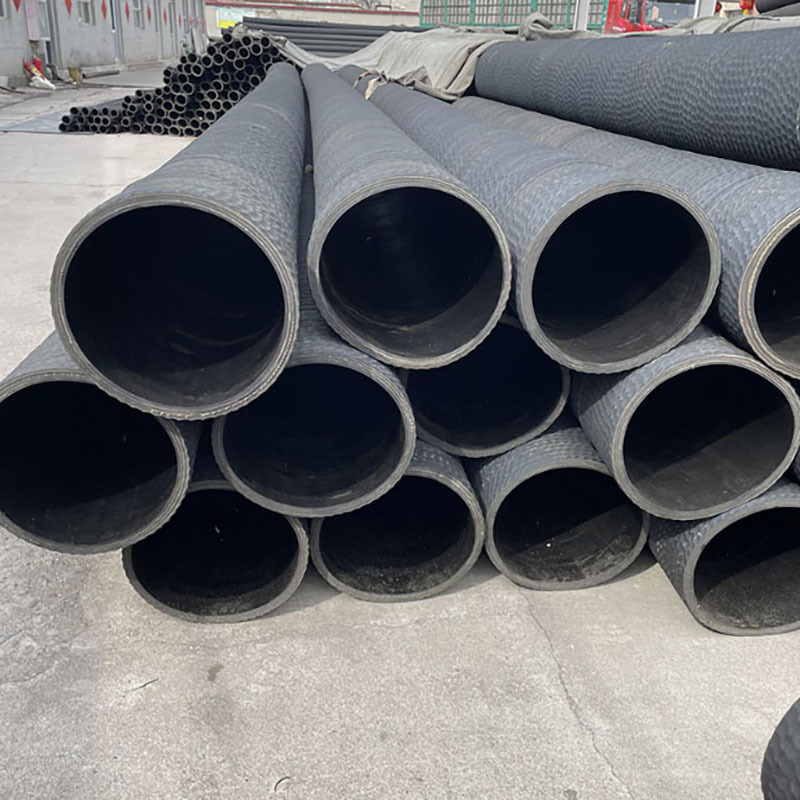
The Science Behind High Pressure Rubber Hose Manufacturing Explained
Table of Contents
- 1. Introduction to High Pressure Rubber Hoses
- 2. Key Materials Used in High Pressure Rubber Hose Manufacturing
- 3. The Manufacturing Process of High Pressure Rubber Hoses
- 4. Design Considerations for Optimal Performance
- 5. Testing and Quality Assurance in Rubber Hose Production
- 6. Applications of High Pressure Rubber Hoses
- 7. Recent Advancements in Rubber Hose Technology
- 8. Sustainability in Rubber Hose Manufacturing
- 9. Frequently Asked Questions
- 10. Conclusion
1. Introduction to High Pressure Rubber Hoses
High pressure rubber hoses play a crucial role in various industries, especially in automotive applications. These hoses are designed to transport fluids under high pressure, ensuring efficient operation and performance. Understanding the science behind their manufacturing is essential for engineers, manufacturers, and end-users alike.
2. Key Materials Used in High Pressure Rubber Hose Manufacturing
The manufacturing of high pressure rubber hoses involves several key materials, each selected for its unique properties:
2.1 Synthetic Rubber
Synthetic rubber, such as nitrile or EPDM, is often used due to its excellent resistance to heat, oil, and chemicals. This material assures longevity and reliability in demanding conditions.
2.2 Reinforcement Materials
To withstand high pressure, hoses must be reinforced with materials such as textile fibers or steel wires. These reinforcements add strength and flexibility, allowing the hose to maintain its shape under pressure.
2.3 Adhesives and Compounds
Adhesives play a critical role in bonding different layers of the hose. Specialized compounds ensure that the layers adhere securely, preventing delamination and enhancing durability.
3. The Manufacturing Process of High Pressure Rubber Hoses
The production of high pressure rubber hoses is a multi-step process that includes:
3.1 Material Preparation
The first step involves preparing the rubber compounds and reinforcing materials. This preparation ensures that the materials meet specific performance standards.
3.2 Extrusion
In this stage, the rubber is extruded into the desired shape. The extrusion process has a significant impact on the hose's final characteristics, including its flexibility and strength.
3.3 Braiding or Spiral Winding
Reinforcement materials are braided or spiraled around the rubber core to provide strength. This step is crucial for enabling the hose to withstand high pressure without bursting.
3.4 Curing
Curing, or vulcanization, involves heating the assembled hose to chemically alter the rubber, enhancing its strength and elasticity. This process is key to achieving the desired performance characteristics.
3.5 Final Testing and Quality Control
Once manufactured, each hose undergoes rigorous testing to ensure it meets industry standards. This testing helps identify any defects in the hose before it reaches consumers.
4. Design Considerations for Optimal Performance
Designing high pressure rubber hoses requires careful consideration of several factors:
4.1 Pressure Ratings
The hose must be designed to handle specific pressure ratings, which dictate the maximum pressure it can endure without failure.
4.2 Temperature Resistance
Hoses should be engineered to function within a particular temperature range, ensuring that they do not degrade or fail in extreme conditions.
4.3 Flexibility and Bend Radius
Flexibility is vital for installation in tight spaces. Designers must consider the minimum bend radius to prevent kinking, which could compromise performance.
5. Testing and Quality Assurance in Rubber Hose Production
Quality assurance is paramount in the manufacturing of high pressure rubber hoses. The following tests are commonly employed:
5.1 Burst Testing
This test measures the maximum pressure the hose can withstand before bursting, providing crucial data for safety and performance.
5.2 Aging Tests
Aging tests simulate the effects of long-term exposure to various environmental conditions, ensuring that hoses maintain their integrity over time.
5.3 Flexibility Testing
Flexibility tests assess how well the hose performs under bending and twisting, which is essential for applications requiring movement.
6. Applications of High Pressure Rubber Hoses
High pressure rubber hoses find applications across multiple sectors:
6.1 Automotive Industry
In the automotive industry, these hoses are essential for fuel delivery, hydraulic systems, and cooling systems.
6.2 Industrial Machinery
They are also used in industrial machinery for hydraulic and pneumatic applications, ensuring the smooth operation of equipment.
6.3 Aerospace and Aviation
In aerospace, high pressure hoses are critical components in fuel systems and hydraulic controls, where reliability is paramount.
7. Recent Advancements in Rubber Hose Technology
Innovation continues to shape the future of high pressure rubber hoses:
7.1 Smart Hoses
The development of smart hoses equipped with sensors allows for real-time monitoring of pressure and temperature, enhancing safety and efficiency.
7.2 Improved Materials
Research into new materials aims to improve resistance to chemicals and extreme temperatures, further extending the lifespan of hoses.
7.3 Eco-Friendly Options
Sustainable practices are becoming more prevalent, with manufacturers seeking eco-friendly materials and production methods to minimize environmental impact.
8. Sustainability in Rubber Hose Manufacturing
As the world moves towards sustainability, the rubber hose manufacturing industry is also adapting:
8.1 Recycling Initiatives
Many manufacturers are exploring ways to recycle old rubber hoses, reducing waste and promoting a circular economy.
8.2 Sustainable Sourcing
Sourcing raw materials from sustainable suppliers helps organizations minimize their environmental footprint and promote responsible manufacturing practices.
9. Frequently Asked Questions
FAQ 1: What is the lifespan of a high pressure rubber hose?
The lifespan varies based on usage and environmental conditions, typically ranging from 5 to 10 years.
FAQ 2: How do I know if my hose is underperforming?
Signs of underperformance include leaks, visible wear, or decreased flexibility. Regular inspections are essential.
FAQ 3: Can high pressure rubber hoses be repaired?
In some cases, minor damages may be repaired, but replacement is often recommended for safety.
FAQ 4: What factors affect the pressure rating of a hose?
Factors include the materials used, hose design, and manufacturing quality.
FAQ 5: Are there temperature limitations for high pressure rubber hoses?
Yes, each hose is designed for specific temperature ranges, and exceeding these can lead to failure.
10. Conclusion
Understanding the science behind high pressure rubber hose manufacturing is crucial for various industries. By exploring the materials, manufacturing processes, design considerations, and recent advancements, we gain insight into the importance of these components in ensuring safety and efficiency. As the demand for high performance and sustainable solutions continues to rise, staying informed about developments in rubber hose technology will be essential for manufacturers and end-users alike.
TAG:

Contact Us
Phone/WhatsApp
Address
Fotai, Duqiao Town, Jing County, Hengshui City, Hebei Province, China
Your One Stop, One Solution!
Each optimal solution is determined by its particular application requirements, design, and installation parameters combined with our experience and know-how on rubber hose technology.
CONTACT US
E-Mail: andy@ydhose.com
Tel.:+86-18732861678
WhatsApp:+8613676932567
Address:Fotai, Duqiao Town, Jing County, Hengshui City, Hebei Province, China


