
The Importance of Quality in High Pressure Hose Assembly Manufacturing
Jun 17,2026
The Importance of Quality in High Pressure Hose Assembly Manufacturing
High-pressure hose assemblies are vital components in a variety of applications, particularly within the automotive and industrial sectors. These assemblies facilitate the transfer of fluids and gases under significant pressure, making their quality paramount. A well-manufactured high-pressure hose assembly contributes to the o
The Importance of Quality in High Pressure Hose Assembly Manufacturing
High-pressure hose assemblies are vital components in a variety of applications, particularly within the automotive and industrial sectors. These assemblies facilitate the transfer of fluids and gases under significant pressure, making their quality paramount. A well-manufactured high-pressure hose assembly contributes to the overall safety, efficiency, and longevity of machinery and vehicles. In this article, we delve into the importance of quality in high-pressure hose assembly manufacturing, examining the factors that influence quality, the benefits of high standards, and the implications of neglecting these standards.
Understanding High-Pressure Hose Assemblies
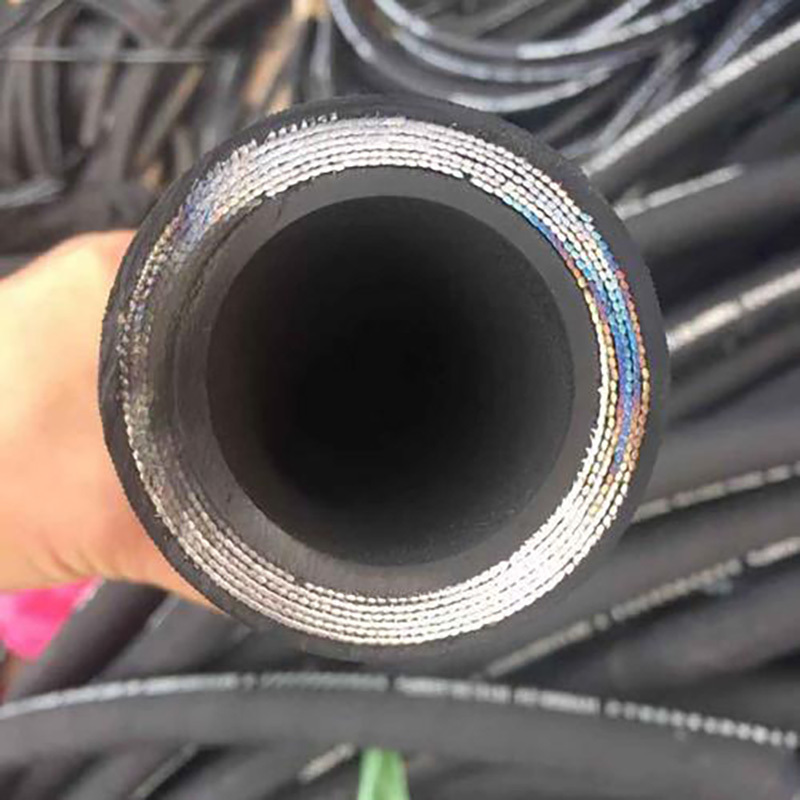
High-pressure hose assemblies are designed to withstand severe operating conditions. They consist of hoses, fittings, and sometimes couplings, all engineered to handle high pressures and potentially harsh environments. These assemblies are crucial in various applications, from automotive fuel systems to hydraulic machinery.
Key Components of High-Pressure Hose Assemblies
Ensuring quality in high-pressure hose assemblies begins with understanding their key components:
1. Hoses
The hose is the backbone of the assembly. High-quality hoses are made from robust materials like rubber, thermoplastic, or composite materials, specifically engineered to withstand high pressures and temperatures.
2. Fittings
Fittings connect hoses to equipment or other hoses. They need to be durable and resistant to corrosion to maintain integrity under pressure.
3. Couplings
Couplings provide a secure junction between hoses and equipment, ensuring that the assembly operates effectively without leaks or failures.
Material Selection: The Foundation of Quality
The choice of materials is fundamental in the manufacturing of high-pressure hose assemblies. High-quality materials contribute to performance, safety, and durability. Common materials used include:
- **Synthetic rubber**: Offers flexibility and resistance to environmental factors.
- **Thermoplastics**: Provide high strength and chemical resistance.
- **Metal reinforcements**: Enhance the structural integrity of the assembly.
Choosing the right materials impacts not only the assembly's performance but also its service life.
Manufacturing Processes and Their Impact on Quality
The manufacturing process of high-pressure hose assemblies must adhere to strict quality control measures. Each step in the process can affect the final product's quality.
1. Design and Engineering
Effective design and engineering practices ensure that assemblies meet the specific requirements of their intended applications. This includes considering factors such as pressure ratings, temperature ranges, and compatibility with various fluids.
2. Assembly Techniques
The methods used to assemble hoses, fittings, and couplings significantly impact the end product's quality. Techniques such as crimping and swaging must be executed with precision to prevent leaks and ensure reliability.
3. Testing and Certification
Rigorous testing of high-pressure hose assemblies is essential. Manufacturers should conduct pressure tests, burst tests, and compatibility tests to verify performance. Certification from recognized standards organizations can further validate the quality of the assembly.
The Benefits of High-Quality Hose Assemblies
Investing in high-quality high-pressure hose assemblies yields numerous benefits, impacting both performance and cost-effectiveness.
1. Enhanced Reliability
Quality hose assemblies are less likely to fail, providing peace of mind to operators and reducing the risk of accidents or malfunctions. Reliability is crucial in industries where safety is paramount.
2. Cost Savings
Though high-quality hose assemblies may come with a higher initial cost, they often lead to significant savings over time. Reliable assemblies reduce maintenance costs, downtime, and the need for frequent replacements.
3. Compliance with Standards
Adhering to quality standards ensures compliance with regulations, which is particularly important in the automotive and industrial sectors. Compliance not only protects manufacturers from legal repercussions but also enhances their reputation in the market.
Challenges in High-Pressure Hose Assembly Manufacturing
Despite the clear benefits of quality, manufacturers face several challenges in maintaining high standards.
1. Supply Chain Issues
Sourcing high-quality materials can be a challenge, particularly when global supply chains are affected by political or economic factors. Manufacturers must establish reliable relationships with suppliers who prioritize quality.
2. Balancing Cost and Quality
Manufacturers often struggle to balance the cost of materials and production with the need for quality. Investing in high-quality materials and processes can significantly raise costs, leading some manufacturers to compromise on quality.
3. Keeping Up with Advancements
As technology advances, manufacturers must continually adapt and innovate to maintain high-quality standards. This includes investing in new manufacturing techniques and materials, which can be a substantial upfront cost.
Best Practices for Ensuring Quality in High Pressure Hose Assembly Manufacturing
To navigate the challenges and ensure top-quality high-pressure hose assemblies, manufacturers can adopt several best practices.
1. Implementing Quality Management Systems
Establishing a robust quality management system (QMS) can help manufacturers monitor and control quality throughout the production process. This includes regular audits and continuous improvement initiatives.
2. Investing in Training and Development
Providing ongoing training for staff involved in the manufacturing process ensures that they understand the importance of quality and are equipped with the skills necessary to maintain high standards.
3. Regular Maintenance and Inspection
Routine maintenance and inspection of both the manufacturing equipment and the hose assemblies themselves can prevent issues before they arise. Ensuring that machinery operates correctly is crucial for quality control.
4. Customer Feedback and Engagement
Listening to customer feedback can provide valuable insights into the performance of hose assemblies. Engaging with customers helps manufacturers understand their needs and make improvements accordingly.
Future Trends in High Pressure Hose Assembly Manufacturing
The high-pressure hose assembly industry is continually evolving, driven by technological advancements and changing market demands.
1. Increased Automation
Automation in manufacturing processes is expected to rise, enhancing precision and efficiency. This shift can improve quality by minimizing human error and streamlining production.
2. Sustainable Manufacturing Practices
As sustainability becomes a priority, manufacturers are exploring eco-friendly materials and processes. This trend reflects consumer demand for greener products and can enhance brand reputation.
3. Integration of Smart Technologies
The integration of smart technologies, such as IoT sensors, can provide real-time data on hose assembly performance, allowing for proactive maintenance and early detection of issues.
Conclusion
In the realm of high-pressure hose assembly manufacturing, quality is not merely a preference; it is a necessity. The importance of utilizing robust materials, implementing stringent manufacturing processes, and adhering to quality standards cannot be overstated. By investing in quality, manufacturers not only enhance the reliability and efficiency of their products but also ensure compliance with industry regulations and foster customer trust. As the industry continues to evolve with advancements in technology and a growing emphasis on sustainability, maintaining a commitment to quality will be essential for long-term success. Manufacturers who prioritize quality will not only meet the demands of today but will also be well-positioned to tackle the challenges of tomorrow.
FAQs
1. What materials are commonly used in high-pressure hose assemblies?
Common materials include synthetic rubber, thermoplastics, and metal reinforcements, each chosen for their durability and pressure resistance.
2. How can I ensure the quality of my high-pressure hose assemblies?
Implementing a robust quality management system, conducting regular inspections, and investing in staff training are effective ways to maintain quality.
3. What testing should high-pressure hose assemblies undergo?
Hose assemblies should undergo pressure tests, burst tests, and compatibility tests to ensure they meet safety and performance standards.
4. Why is investing in quality important for manufacturers?
Quality investments lead to enhanced reliability, reduced maintenance costs, and compliance with industry standards, ultimately improving profitability.
5. What future trends should manufacturers be aware of in this industry?
Increased automation, sustainable manufacturing practices, and the integration of smart technologies are emerging trends that manufacturers should consider to stay competitive.
TAG:

Contact Us
Phone/WhatsApp
Address
Fotai, Duqiao Town, Jing County, Hengshui City, Hebei Province, China
Your One Stop, One Solution!
Each optimal solution is determined by its particular application requirements, design, and installation parameters combined with our experience and know-how on rubber hose technology.
CONTACT US
E-Mail: andy@ydhose.com
Tel.:+86-18732861678
WhatsApp:+8613676932567
Address:Fotai, Duqiao Town, Jing County, Hengshui City, Hebei Province, China


