
Understanding Flanged Metal Hoses: Key Features and Applications
Sep 06,2026
Flanged metal hoses are integral components in various industrial applications, particularly in the automotive sector, where flexibility, durability, and safety are paramount. These hoses are designed to provide a secure and leak-free connection in fluid transfer systems, making them essential for a myriad of automotive applications.
One of the primary features of flanged metal hoses is their ab
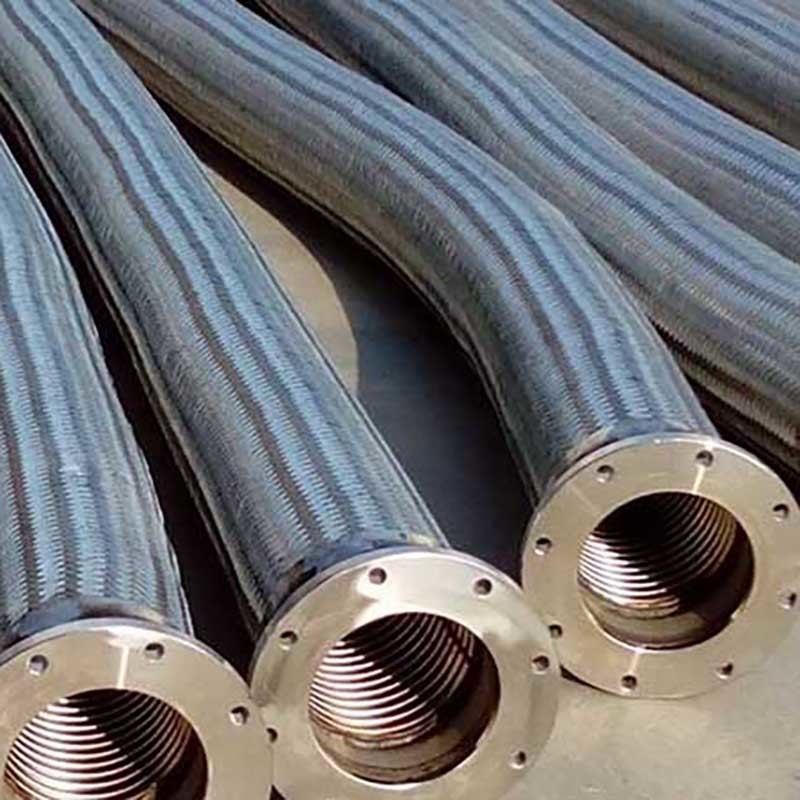
Flanged metal hoses are integral components in various industrial applications, particularly in the automotive sector, where flexibility, durability, and safety are paramount. These hoses are designed to provide a secure and leak-free connection in fluid transfer systems, making them essential for a myriad of automotive applications.
One of the primary features of flanged metal hoses is their ability to withstand high temperatures and pressures. Constructed typically from stainless steel, these hoses excel in environments where rubber or plastic hoses may fail. The metal construction ensures that they can handle the extreme conditions often encountered in automotive systems, such as exhaust lines, coolant systems, and fuel delivery.
The flanged design provides several advantages. Flanges offer a robust method for connecting hoses to other components, creating a secure and stable joint. This is particularly important in high-vibration environments typical of automotive applications, where traditional connections might loosen over time. The flanged ends can be easily bolted to corresponding flanged fittings, facilitating quick installation and maintenance while ensuring a tight seal that minimizes the risk of leakage.
Another noteworthy aspect of flanged metal hoses is their flexibility. Despite being made from metal, these hoses can bend and flex to accommodate various layouts and configurations within a vehicle or machinery without kinking. This flexibility allows for easier routing around other components, which is crucial in compact engine compartments.
Moreover, flanged metal hoses are resistant to corrosion and wear, ensuring a longer service life compared to their rubber counterparts. This durability not only extends the lifespan of the hose itself but also reduces the frequency of maintenance and replacement, leading to cost savings in the long run.
In the context of the automotive industry, flanged metal hoses are often utilized in applications that require the transfer of fluids under pressure, such as oil lines, hydraulic systems, and brake lines. They are also used in exhaust systems to connect different segments while accommodating thermal expansion and movement. The versatility of flanged metal hoses makes them a preferred choice for engineers and designers looking to enhance the reliability and performance of automotive systems.
In conclusion, flanged metal hoses offer a combination of durability, flexibility, and secure connections that are essential for automotive applications. Their ability to withstand extreme conditions and provide reliable sealing makes them a critical component in fluid transfer systems. As automotive technology continues to evolve, the demand for reliable and efficient components like flanged metal hoses will undoubtedly grow, ensuring their continued relevance in the industry.
One of the primary features of flanged metal hoses is their ability to withstand high temperatures and pressures. Constructed typically from stainless steel, these hoses excel in environments where rubber or plastic hoses may fail. The metal construction ensures that they can handle the extreme conditions often encountered in automotive systems, such as exhaust lines, coolant systems, and fuel delivery.
The flanged design provides several advantages. Flanges offer a robust method for connecting hoses to other components, creating a secure and stable joint. This is particularly important in high-vibration environments typical of automotive applications, where traditional connections might loosen over time. The flanged ends can be easily bolted to corresponding flanged fittings, facilitating quick installation and maintenance while ensuring a tight seal that minimizes the risk of leakage.
Another noteworthy aspect of flanged metal hoses is their flexibility. Despite being made from metal, these hoses can bend and flex to accommodate various layouts and configurations within a vehicle or machinery without kinking. This flexibility allows for easier routing around other components, which is crucial in compact engine compartments.
Moreover, flanged metal hoses are resistant to corrosion and wear, ensuring a longer service life compared to their rubber counterparts. This durability not only extends the lifespan of the hose itself but also reduces the frequency of maintenance and replacement, leading to cost savings in the long run.
In the context of the automotive industry, flanged metal hoses are often utilized in applications that require the transfer of fluids under pressure, such as oil lines, hydraulic systems, and brake lines. They are also used in exhaust systems to connect different segments while accommodating thermal expansion and movement. The versatility of flanged metal hoses makes them a preferred choice for engineers and designers looking to enhance the reliability and performance of automotive systems.
In conclusion, flanged metal hoses offer a combination of durability, flexibility, and secure connections that are essential for automotive applications. Their ability to withstand extreme conditions and provide reliable sealing makes them a critical component in fluid transfer systems. As automotive technology continues to evolve, the demand for reliable and efficient components like flanged metal hoses will undoubtedly grow, ensuring their continued relevance in the industry.
TAG:

Contact Us
Phone/WhatsApp
Address
Fotai, Duqiao Town, Jing County, Hengshui City, Hebei Province, China
Your One Stop, One Solution!
Each optimal solution is determined by its particular application requirements, design, and installation parameters combined with our experience and know-how on rubber hose technology.
CONTACT US
E-Mail: andy@ydhose.com
Tel.:+86-18732861678
WhatsApp:+8613676932567
Address:Fotai, Duqiao Town, Jing County, Hengshui City, Hebei Province, China


