
Understanding Hydraulic Support Hoses: Essential Components of Automotive Systems
Oct 16,2026
Hydraulic support hoses are vital components in many automotive and industrial applications, providing the necessary flexibility and durability to handle high-pressure hydraulic fluid movement. These hoses are commonly used in systems that require the transfer of hydraulic fluids, such as power steering, brake systems, and various lifting or support mechanisms. Understanding the characteristics an
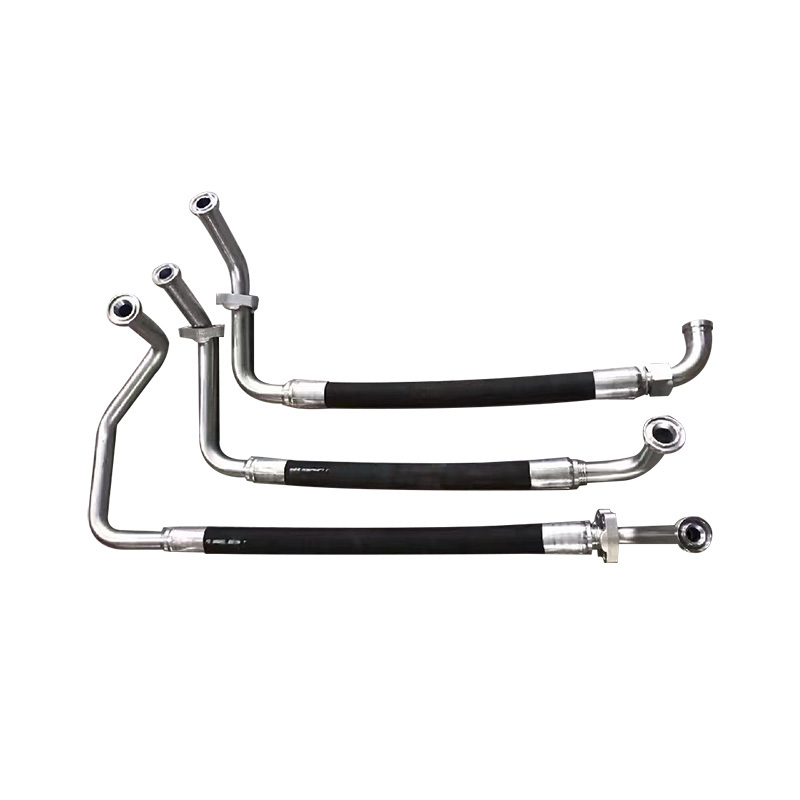
Hydraulic support hoses are vital components in many automotive and industrial applications, providing the necessary flexibility and durability to handle high-pressure hydraulic fluid movement. These hoses are commonly used in systems that require the transfer of hydraulic fluids, such as power steering, brake systems, and various lifting or support mechanisms. Understanding the characteristics and functionality of hydraulic support hoses is essential for both automotive professionals and enthusiasts alike.
One of the key features of hydraulic support hoses is their construction, which typically includes multiple layers designed to withstand high pressures and harsh environmental conditions. Generally, they consist of an inner tube that carries the hydraulic fluid, a reinforcement layer (often made from textile or steel wire), and an outer cover that protects against abrasion, weather, and chemicals. The materials used in these hoses are crucial for ensuring their longevity and reliability, especially in demanding environments.
When selecting a hydraulic support hose, it’s important to consider factors such as the pressure rating, temperature range, and compatibility with the fluid used in the system. The right hose will not only improve efficiency but also enhance safety by preventing leaks and potential failures. Regular inspection and maintenance of hydraulic support hoses are necessary to identify any signs of wear, such as cracks, bulges, or leaks, which could lead to catastrophic failures if left unaddressed.
In addition, the installation of hydraulic support hoses requires a careful approach. It is essential to ensure that hoses are routed properly to avoid unnecessary bends or kinks, which can restrict flow and increase the risk of damage. Proper fitting and secure connections are also crucial to maintaining the integrity of the hydraulic system.
Another important aspect to consider is the environment in which the hydraulic support hoses will operate. Exposure to extreme temperatures, chemicals, or physical wear can significantly impact hose performance. Therefore, choosing hoses specifically designed for your application’s conditions is paramount.
In summary, hydraulic support hoses play a critical role in the functionality and safety of automotive systems. Understanding their construction, maintenance, and application is vital for anyone involved in vehicle maintenance or design. By prioritizing the right materials, installation practices, and regular inspections, you can ensure that your hydraulic systems operate smoothly and efficiently, contributing to the overall performance of your vehicle. Remember, a well-maintained hydraulic support hose can make a significant difference in both safety and functionality.
One of the key features of hydraulic support hoses is their construction, which typically includes multiple layers designed to withstand high pressures and harsh environmental conditions. Generally, they consist of an inner tube that carries the hydraulic fluid, a reinforcement layer (often made from textile or steel wire), and an outer cover that protects against abrasion, weather, and chemicals. The materials used in these hoses are crucial for ensuring their longevity and reliability, especially in demanding environments.
When selecting a hydraulic support hose, it’s important to consider factors such as the pressure rating, temperature range, and compatibility with the fluid used in the system. The right hose will not only improve efficiency but also enhance safety by preventing leaks and potential failures. Regular inspection and maintenance of hydraulic support hoses are necessary to identify any signs of wear, such as cracks, bulges, or leaks, which could lead to catastrophic failures if left unaddressed.
In addition, the installation of hydraulic support hoses requires a careful approach. It is essential to ensure that hoses are routed properly to avoid unnecessary bends or kinks, which can restrict flow and increase the risk of damage. Proper fitting and secure connections are also crucial to maintaining the integrity of the hydraulic system.
Another important aspect to consider is the environment in which the hydraulic support hoses will operate. Exposure to extreme temperatures, chemicals, or physical wear can significantly impact hose performance. Therefore, choosing hoses specifically designed for your application’s conditions is paramount.
In summary, hydraulic support hoses play a critical role in the functionality and safety of automotive systems. Understanding their construction, maintenance, and application is vital for anyone involved in vehicle maintenance or design. By prioritizing the right materials, installation practices, and regular inspections, you can ensure that your hydraulic systems operate smoothly and efficiently, contributing to the overall performance of your vehicle. Remember, a well-maintained hydraulic support hose can make a significant difference in both safety and functionality.
TAG:
PREVIOUS:

Contact Us
Phone/WhatsApp
Address
Fotai, Duqiao Town, Jing County, Hengshui City, Hebei Province, China
Your One Stop, One Solution!
Each optimal solution is determined by its particular application requirements, design, and installation parameters combined with our experience and know-how on rubber hose technology.
CONTACT US
E-Mail: andy@ydhose.com
Tel.:+86-18732861678
WhatsApp:+8613676932567
Address:Fotai, Duqiao Town, Jing County, Hengshui City, Hebei Province, China


