
Understanding Hydraulic Support Hoses: Essential Insights for Automotive Professionals
Aug 31,2026
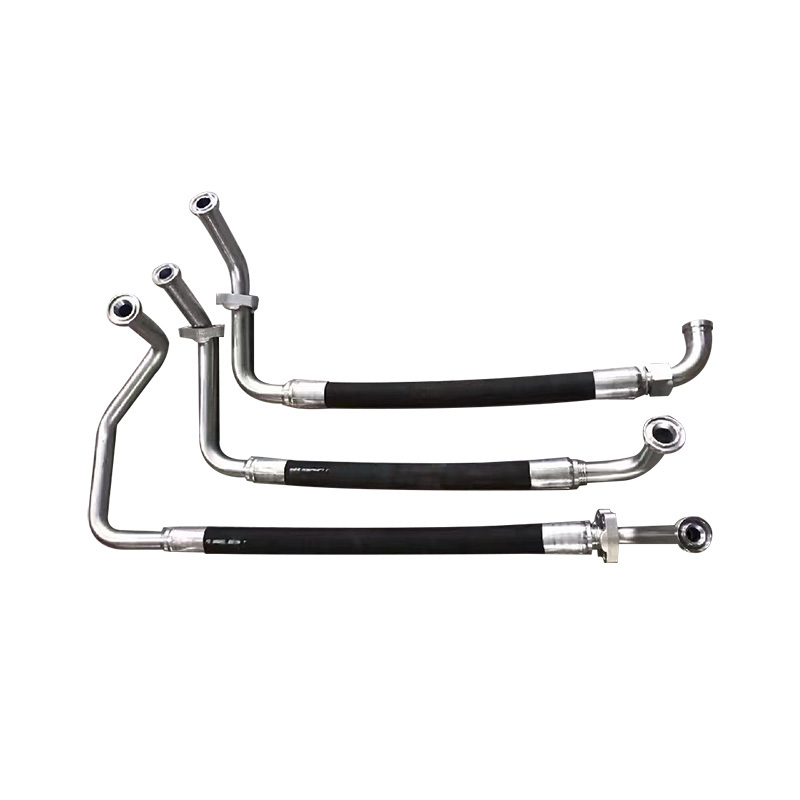
Hydraulic support hoses are vital components in various automotive applications, particularly in systems requiring fluid power transmission and flexibility. These hoses are designed to handle high-pressure hydraulic fluids, making them essential for effective operation in numerous automotive systems. Understanding the properties, functions, and applications of hydraulic support hoses can significantly benefit automotive professionals and engineers alike.
One of the primary functions of hydraulic support hoses is to convey hydraulic fluid from one component to another within a vehicle. This could include steering systems, brake systems, or other hydraulic mechanisms that require precise control and reliability. The ability of these hoses to withstand high pressures—often in the range of 3,000 to 5,000 psi—ensures that they maintain performance and safety standards under demanding conditions.
The construction of hydraulic support hoses typically involves multiple layers of materials, providing both strength and flexibility. The inner lining is commonly made from synthetic rubber or thermoplastic elastomers, which are resistant to hydraulic fluids and prevent leakage. The outer layer is usually reinforced with textile or steel wire braiding, enhancing durability and resistance to abrasion, chemicals, and environmental factors. This multi-layer design is crucial for maintaining the integrity of the hose under pressure and during movement.
When selecting hydraulic support hoses, automotive professionals must consider several factors. First and foremost is the pressure rating of the hose, which must align with the operational requirements of the system it serves. Additionally, the compatibility of the hose material with the type of hydraulic fluid being used is essential to avoid chemical degradation. Furthermore, the temperature range in which the hose will operate should also be taken into account, as extremes can affect performance and longevity.
Proper installation and maintenance of hydraulic support hoses are equally important. Professionals should ensure that hoses are routed away from sharp edges, moving parts, and high-heat areas to prevent wear and damage. Regular inspections for signs of wear, such as cracking or bulging, can help in early detection of potential failures, thereby preventing costly downtime and ensuring safety on the road.
In conclusion, hydraulic support hoses are indispensable in the automotive industry, facilitating the efficient transfer of hydraulic fluids in various applications. By understanding their construction, functionality, and maintenance needs, automotive professionals can ensure optimal performance and safety, thereby enhancing the reliability of the vehicles they work on. Investing time in learning about hydraulic support hoses can lead to better decision-making and improved overall system performance.

Contact Us
Phone/WhatsApp
Address
Fotai, Duqiao Town, Jing County, Hengshui City, Hebei Province, China
Your One Stop, One Solution!
Each optimal solution is determined by its particular application requirements, design, and installation parameters combined with our experience and know-how on rubber hose technology.
CONTACT US
E-Mail: andy@ydhose.com
Tel.:+86-18732861678
WhatsApp:+8613676932567
Address:Fotai, Duqiao Town, Jing County, Hengshui City, Hebei Province, China


