
Understanding Low Pressure Rubber Hoses: Applications and Benefits in Automotive Industry
Aug 13,2026
Low pressure rubber hoses are a vital component in the automotive industry, particularly in the realm of fluid transfer systems. These hoses are designed to handle lower pressures compared to their high-pressure counterparts, making them ideal for various applications in vehicles. Typically, they are crafted from durable rubber materials that possess excellent flexibility and resilience, allowing
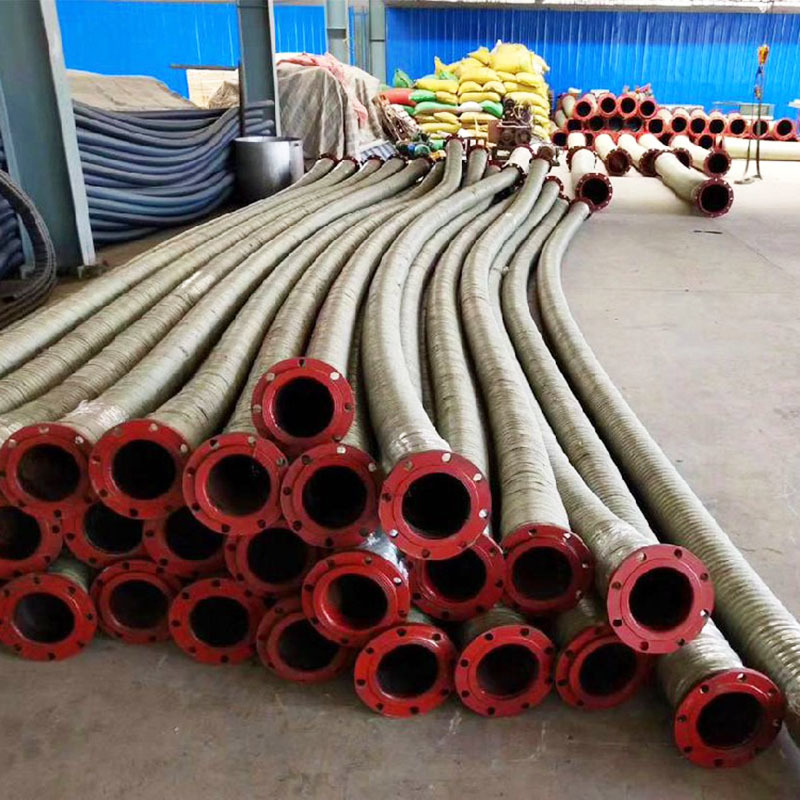
Low pressure rubber hoses are a vital component in the automotive industry, particularly in the realm of fluid transfer systems. These hoses are designed to handle lower pressures compared to their high-pressure counterparts, making them ideal for various applications in vehicles. Typically, they are crafted from durable rubber materials that possess excellent flexibility and resilience, allowing them to withstand the rigors of automotive environments.
One of the primary applications of low pressure rubber hoses is in the transfer of fluids such as coolant, oil, and air. In an automobile, these hoses facilitate the movement of essential fluids between different engine components, contributing to optimal performance and efficiency. Their ability to remain flexible under varying temperatures ensures that they can accommodate the thermal expansion of fluids without bursting or leaking, thus enhancing the reliability of the overall system.
In terms of material composition, low pressure rubber hoses are often made from a blend of synthetic and natural rubbers. These materials offer excellent resistance to wear, abrasion, and environmental factors such as UV exposure and ozone degradation. Furthermore, the rubber's inherent elasticity allows the hoses to endure repeated flexing and bending without compromising their structural integrity. This makes them particularly suitable for dynamic applications where movement is a constant factor.
Another critical benefit of low pressure rubber hoses is their lightweight nature, which contributes to the overall weight reduction of vehicles. Lighter vehicles are generally more fuel-efficient, as they require less energy to operate. Additionally, the flexibility of these hoses aids in easier routing within the confined spaces of automotive assemblies, making installation and maintenance more straightforward for technicians.
Moreover, low pressure rubber hoses can be manufactured in various sizes and configurations, allowing for customization to meet specific vehicle design requirements. This versatility makes them a preferred choice among automotive engineers and designers who need reliable, adaptable solutions for their fluid transfer needs.
It's also important to note that regular inspection and maintenance of low pressure rubber hoses are essential for ensuring their longevity and performance. Over time, exposure to heat, chemicals, and mechanical stress can lead to wear and tear. Therefore, establishing a routine maintenance schedule can help identify potential issues before they escalate, ensuring the hoses continue to function effectively.
In conclusion, low pressure rubber hoses play a crucial role in the automotive industry, facilitating the safe and efficient transfer of fluids. Their robust construction, flexibility, and lightweight design make them an indispensable component in modern vehicles, contributing not only to performance but also to overall vehicle safety and reliability. Understanding the significance of these hoses can help industry professionals make informed decisions regarding their applications and maintenance.
TAG:

Contact Us
Phone/WhatsApp
Address
Fotai, Duqiao Town, Jing County, Hengshui City, Hebei Province, China
Your One Stop, One Solution!
Each optimal solution is determined by its particular application requirements, design, and installation parameters combined with our experience and know-how on rubber hose technology.
CONTACT US
E-Mail: andy@ydhose.com
Tel.:+86-18732861678
WhatsApp:+8613676932567
Address:Fotai, Duqiao Town, Jing County, Hengshui City, Hebei Province, China


