
Comparing Different Types of High Pressure Hose Assembly: What You Need to Know
Aug 16,2026
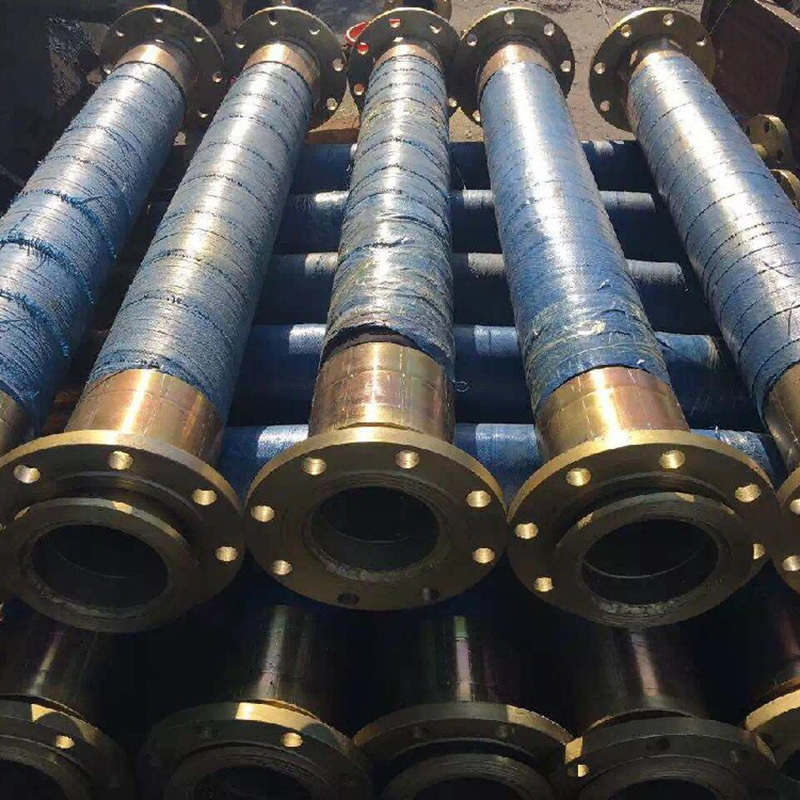
Comparing Different Types of High Pressure Hose Assembly: What You Need to Know
In the world of automotive and industrial applications, high pressure hose assemblies play a crucial role in ensuring the efficient transfer of fluids. The right hose assembly can significantly impact performance, safety, and durability. In this comprehensive guide, we delve into the various types, materials, and applications of high pressure hose assemblies, helping you make informed choices that meet your specific needs.
Table of Contents
- 1. Introduction to High Pressure Hose Assemblies
- 2. Types of High Pressure Hose Assemblies
- 2.1 Rubber Hose Assemblies
- 2.2 Thermoplastic Hose Assemblies
- 2.3 Metal Hose Assemblies
- 2.4 PTFE Hose Assemblies
- 3. Materials Used in High Pressure Hose Assemblies
- 4. Applications of High Pressure Hose Assemblies
- 5. Key Factors to Consider When Selecting Hose Assemblies
- 6. Maintenance Tips for High Pressure Hose Assemblies
- 7. Frequently Asked Questions
- 8. Conclusion
1. Introduction to High Pressure Hose Assemblies
High pressure hose assemblies are designed to handle fluids at elevated pressures, making them essential components in various automotive and industrial systems. These assemblies consist of a hose, fittings, and connectors, working in unison to transport fluids safely and effectively. With the right assembly, you can ensure optimal performance in hydraulic systems, fuel delivery, cooling systems, and more.
2. Types of High Pressure Hose Assemblies
Understanding the different types of high pressure hose assemblies can help you select the right one for your specific application. Here, we explore four main types:
2.1 Rubber Hose Assemblies
Rubber hose assemblies are among the most common types used in various applications. Known for their flexibility and durability, these hoses are often designed to handle hydraulic fluids, air, and water. They are typically constructed from synthetic rubber compounds, which provide resistance to abrasion, weathering, and ozone. However, it is crucial to select a rubber hose that is compatible with the specific fluid it will convey to avoid degradation.
2.2 Thermoplastic Hose Assemblies
Thermoplastic hose assemblies are lightweight and offer excellent flexibility, making them ideal for applications where weight savings are critical. These hoses are often used in environments where they are subject to high abrasion or exposure to chemicals. The thermoplastic materials used in their construction provide excellent resistance to a wide range of chemicals, making them suitable for use in various industries, including automotive, food processing, and pharmaceuticals.
2.3 Metal Hose Assemblies
Metal hose assemblies are designed to withstand extreme temperatures and pressures. Often constructed from stainless steel, these hoses are highly durable and resistant to corrosion. They are commonly used in applications involving chemicals or gases that could degrade rubber or thermoplastic materials. Metal hose assemblies are preferred in industries such as oil and gas, chemical processing, and aerospace due to their reliability and long service life.
2.4 PTFE Hose Assemblies
Polytetrafluoroethylene (PTFE) hose assemblies are unique in their ability to handle a wide range of temperatures and pressures while providing excellent chemical resistance. PTFE is non-reactive, making it ideal for transferring corrosive fluids. These assemblies are commonly used in applications such as chemical processing and pharmaceutical manufacturing, where purity and reliability are paramount.
3. Materials Used in High Pressure Hose Assemblies
The materials used in high pressure hose assemblies play a significant role in their performance and longevity. Understanding these materials can help you choose the right hose for your specific needs:
- Rubber: Synthetic rubber is commonly used for its flexibility and resilience. It is often reinforced with textile or steel braiding for added strength.
- Thermoplastics: Materials like nylon and polyurethane are lightweight and provide excellent chemical resistance.
- Metal: Stainless steel is the most common metal used, offering durability and corrosion resistance.
- PTFE: This material is chosen for its non-reactive nature and ability to withstand extreme conditions.
4. Applications of High Pressure Hose Assemblies
High pressure hose assemblies find applications across various industries. Here are some common uses:
- Hydraulic Systems: Used in construction and agricultural machinery.
- Aerospace: Essential in aircraft systems for managing fuel and hydraulic fluids.
- Automotive: Used in fuel lines, cooling systems, and power steering.
- Chemical Processing: Essential for the safe handling of corrosive materials.
- Food and Beverage: Used in applications where cleanliness and safety are critical.
5. Key Factors to Consider When Selecting Hose Assemblies
Choosing the right high pressure hose assembly requires careful consideration of several factors:
- Pressure Rating: Ensure the hose can handle the required pressure for your application.
- Temperature Range: Select a hose that can withstand the temperature extremes it will encounter.
- Chemical Compatibility: Ensure the materials are compatible with the fluids being transported.
- Flexibility: Consider the environment and space where the hose will be used.
- Length and Diameter: Ensure the hose is the appropriate length and diameter for your specific application.
6. Maintenance Tips for High Pressure Hose Assemblies
Proper maintenance of high pressure hose assemblies is essential for ensuring their longevity and performance. Here are some tips:
- Regular Inspections: Routinely check for signs of wear, cracks, or leaks.
- Cleaning: Keep hoses clean from contaminants that could cause damage.
- Proper Storage: Store hoses in a cool, dry place to prevent degradation.
- Replacement: Replace hoses at the first sign of wear or damage to prevent failures.
7. Frequently Asked Questions
What is the difference between rubber and thermoplastic hoses?
Rubber hoses are typically more flexible and durable, making them suitable for hydraulic applications, while thermoplastic hoses are lighter and offer better chemical resistance, ideal for environments with abrasive materials.
How do I determine the correct pressure rating for my hose assembly?
Evaluate the maximum pressure your system will exert and choose a hose assembly with a pressure rating that exceeds this value for safety.
Can high pressure hoses be repaired?
While some hoses can be repaired, it's often more cost-effective and safer to replace them, especially if they show significant wear or damage.
How often should I inspect my high pressure hose assemblies?
Regular inspections should be conducted at least every six months, or more frequently if the hose is under heavy use or in a harsh environment.
What should I do if I notice a leak in my hose assembly?
Immediately shut down the system to prevent further damage and assess the hose for wear or damage. Replace the hose if necessary.
8. Conclusion
High pressure hose assemblies are critical components in various automotive and industrial applications. By understanding the different types, materials, and applications of these assemblies, as well as the key factors for selection and maintenance, we empower you to make informed decisions. Ensuring that you choose the right hose for your specific needs will lead to optimal performance, safety, and longevity in your systems. Invest time in selecting the appropriate hose assembly and maintain it diligently to reap the benefits of reliable performance over time.

Contact Us
Phone/WhatsApp
Address
Fotai, Duqiao Town, Jing County, Hengshui City, Hebei Province, China
Your One Stop, One Solution!
Each optimal solution is determined by its particular application requirements, design, and installation parameters combined with our experience and know-how on rubber hose technology.
CONTACT US
E-Mail: andy@ydhose.com
Tel.:+86-18732861678
WhatsApp:+8613676932567
Address:Fotai, Duqiao Town, Jing County, Hengshui City, Hebei Province, China


