
Common Mistakes to Avoid When Using High Pressure Rubber Hoses: A Comprehensive Guide
Aug 10,2026
Common Mistakes to Avoid When Using High Pressure Rubber Hoses
High pressure rubber hoses play a vital role in various applications, especially in the automotive industry. Their ability to withstand extreme pressure makes them indispensable for tasks that involve transferring fluids or gases. However, improper handling and maintenance can lead to severe consequences, including equipment failure, l
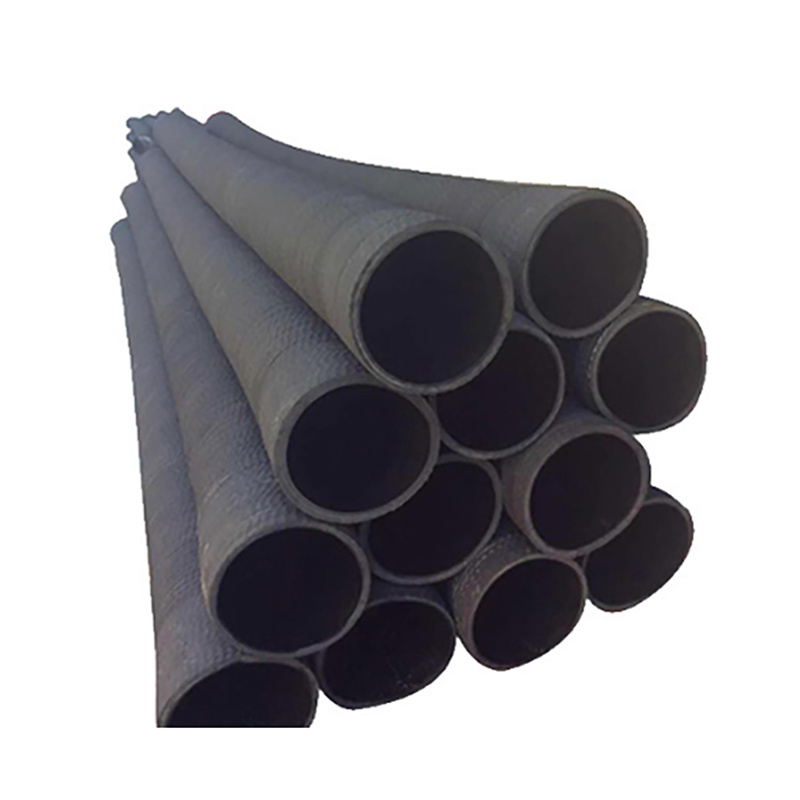
Common Mistakes to Avoid When Using High Pressure Rubber Hoses
High pressure rubber hoses play a vital role in various applications, especially in the automotive industry. Their ability to withstand extreme pressure makes them indispensable for tasks that involve transferring fluids or gases. However, improper handling and maintenance can lead to severe consequences, including equipment failure, leaks, and even accidents. In this article, we will explore the common mistakes to avoid when using high pressure rubber hoses, ensuring that you maximize their efficiency and longevity.
Understanding High Pressure Rubber Hoses
Before we delve into the common mistakes, it's essential to understand what high pressure rubber hoses are and how they work. These hoses are specifically designed to handle high-pressure environments, typically exceeding 150 PSI. They are constructed from robust materials that can withstand not only high pressure but also various temperatures and chemical exposures.
Applications of High Pressure Rubber Hoses
High pressure rubber hoses are used in numerous applications, including:
- Automotive systems for oil and coolant transfer
- Hydraulic systems
- Pressure washer systems
- Pneumatic systems
- Industrial applications for chemical transfer
Understanding the context in which these hoses are used is crucial in avoiding common mistakes.
1. Ignoring Manufacturer Guidelines
One of the most significant mistakes users make is neglecting the manufacturer's guidelines. Each high pressure rubber hose is designed with specific pressure ratings, temperature limits, and compatibility factors. Failing to adhere to these specifications can lead to hose failure.
Why Manufacturer Guidelines Matter
Manufacturer guidelines are not just suggestions; they are critical for ensuring safety and performance. Always:
- Check the pressure rating of the hose before use.
- Ensure the hose material is compatible with the fluids being transported.
- Be aware of temperature limitations.
2. Using Incorrect Hose Fittings
Using the wrong fittings can compromise the integrity of the entire system. High pressure rubber hoses require fittings that can handle similar pressure ratings to prevent leaks and bursts.
Choosing the Right Fittings
To make sure you select the right fittings:
- Match the fitting size to the hose diameter.
- Ensure the fittings are rated for the same or higher pressure.
- Use compatible materials to prevent corrosion and wear.
3. Overlooking Regular Inspections
Neglecting to inspect high pressure rubber hoses regularly can lead to undetected wear and tear, ultimately resulting in hose failure.
Inspection Checklist
Conduct routine inspections and look for the following:
- Cracks or abrasions on the hose surface.
- Signs of bulging or swelling.
- Loose or damaged fittings.
- Fluid leaks at connection points.
4. Incorrect Storage Practices
Improper storage can significantly affect the lifespan of high pressure rubber hoses. Exposure to harmful elements during storage can lead to degradation.
Best Practices for Hose Storage
To ensure longevity, follow these storage tips:
- Store hoses in a cool, dry place away from direct sunlight.
- Keep hoses coiled properly to avoid kinks and twists.
- Avoid placing heavy items on top of stored hoses.
5. Operating Beyond Recommended Pressure Limits
One of the gravest mistakes is operating high pressure rubber hoses beyond their recommended pressure limits. This practice can lead to catastrophic failures.
Understanding Pressure Ratings
Be vigilant about the pressure ratings of your hoses. To avoid exceeding pressure limits:
- Use pressure gauges to monitor the system.
- Implement safety valves to prevent pressure build-up.
6. Failure to Use Protective Gear
When working with high pressure rubber hoses, failing to use appropriate protective gear can expose individuals to significant risks.
Essential Protective Gear
Always wear the following when handling high pressure hoses:
- Safety goggles to protect your eyes.
- Gloves to prevent cuts and abrasions.
- Steel-toed boots for foot protection.
7. Neglecting Proper Connections
Proper connections are crucial to the integrity of a high pressure hose system. Failing to secure connections can lead to leaks and system failures.
Ensuring Secure Connections
To secure connections:
- Use the correct torque settings when tightening fittings.
- Perform regular checks to ensure connections remain tight.
8. Not Considering Environmental Factors
Environmental conditions can significantly impact the performance of high pressure rubber hoses. Factors such as temperature, humidity, and chemical exposure should be considered.
Adapting to Environmental Conditions
To account for environmental factors:
- Choose hoses rated for specific environmental conditions.
- Store hoses in climate-controlled environments when necessary.
Conclusion
Using high pressure rubber hoses effectively requires attention to detail and adherence to best practices. By avoiding the common mistakes outlined in this guide, you can enhance the performance and safety of your high pressure systems. Always remember to consult manufacturer guidelines, conduct regular inspections, and be mindful of environmental factors to ensure the longevity and reliability of your rubber hoses. By being proactive, you can prevent failures, improve efficiency, and maintain safety in your operations.
TAG:

Contact Us
Phone/WhatsApp
Address
Fotai, Duqiao Town, Jing County, Hengshui City, Hebei Province, China
Your One Stop, One Solution!
Each optimal solution is determined by its particular application requirements, design, and installation parameters combined with our experience and know-how on rubber hose technology.
CONTACT US
E-Mail: andy@ydhose.com
Tel.:+86-18732861678
WhatsApp:+8613676932567
Address:Fotai, Duqiao Town, Jing County, Hengshui City, Hebei Province, China


