
Understanding the Functionality of Wire Reinforced Rubber Hoses in Vehicles
May 19,2026
Understanding the Functionality of Wire Reinforced Rubber Hoses in Vehicles
Table of Contents
1. Introduction to Wire Reinforced Rubber Hoses
2. Definition and Structure of Wire Reinforced Rubber Hoses
3. Applications of Wire Reinforced Rubber Hoses in Vehicles
4. Benefits of Using Wire Reinforced Rubber Hoses
5. Manufacturing Process of Wire Reinforced Rubber Hoses
6. Maintenance and
Understanding the Functionality of Wire Reinforced Rubber Hoses in Vehicles
Table of Contents
- 1. Introduction to Wire Reinforced Rubber Hoses
- 2. Definition and Structure of Wire Reinforced Rubber Hoses
- 3. Applications of Wire Reinforced Rubber Hoses in Vehicles
- 4. Benefits of Using Wire Reinforced Rubber Hoses
- 5. Manufacturing Process of Wire Reinforced Rubber Hoses
- 6. Maintenance and Care for Wire Reinforced Rubber Hoses
- 7. Common Issues with Wire Reinforced Rubber Hoses
- 8. Conclusion
- 9. FAQs About Wire Reinforced Rubber Hoses
1. Introduction to Wire Reinforced Rubber Hoses
Wire reinforced rubber hoses are essential components in modern vehicles, serving critical functions in various automotive systems. These hoses are designed to withstand high pressures and temperatures while maintaining flexibility, making them suitable for a wide range of applications. In this article, we will delve into the functionality, applications, benefits, manufacturing process, maintenance, and common issues related to wire reinforced rubber hoses in vehicles.
2. Definition and Structure of Wire Reinforced Rubber Hoses
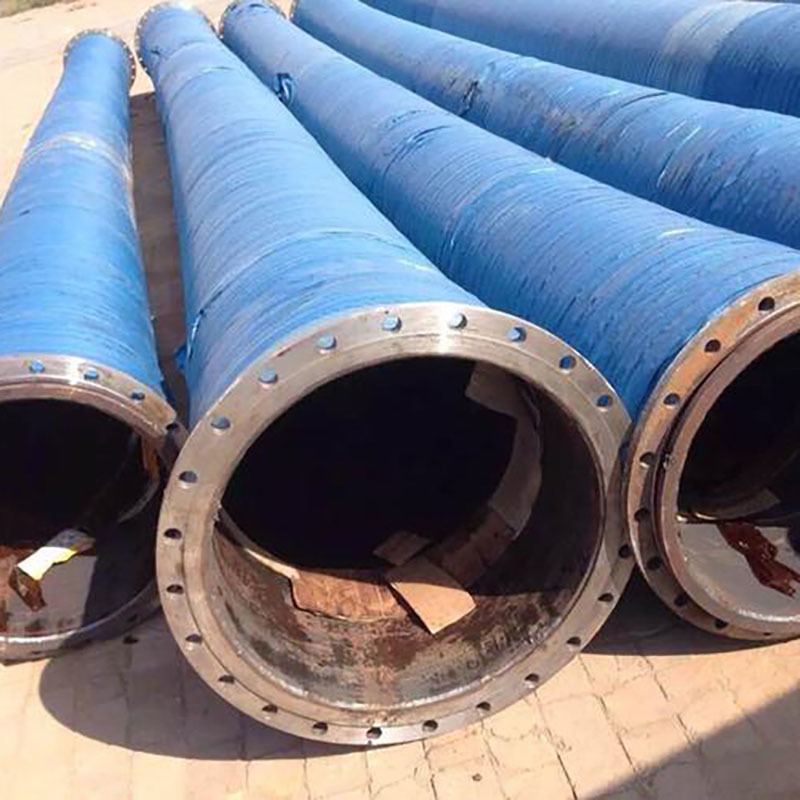
Wire reinforced rubber hoses consist of a rubber body reinforced with wire, typically made from steel or another durable material. The structure of these hoses is designed to provide strength and durability, enabling them to handle extreme conditions.
Key Components of Wire Reinforced Rubber Hoses
1. **Inner Lining**: The inner layer is composed of high-quality rubber that is resistant to heat, oil, and chemicals, ensuring that the hose can transport various fluids without degrading.
2. **Reinforcement Layer**: This layer contains embedded wires that provide structural integrity and resistance to pressure. The type and arrangement of the wires can vary based on the hose's intended use.
3. **Outer Covering**: The outer layer of the hose protects against environmental factors such as abrasion, UV rays, and ozone exposure, enhancing its longevity.
3. Applications of Wire Reinforced Rubber Hoses in Vehicles
Wire reinforced rubber hoses are versatile components found in several systems throughout a vehicle. Their key applications include:
Cooling Systems
In cooling systems, these hoses transport coolant from the engine to the radiator and vice versa. Their ability to withstand high temperatures and pressures makes them ideal for maintaining optimal engine temperatures.
Fuel Systems
Wire reinforced rubber hoses are used in fuel delivery systems, ensuring a safe and efficient transfer of fuel from the tank to the engine. Their resistance to chemicals and pressure is crucial for preventing leaks.
Air Intake Systems
In air intake systems, these hoses facilitate the passage of air to the engine. Their flexibility allows for easy installation in various configurations while providing reliable airflow.
Hydraulic Systems
Hydraulic systems in vehicles often utilize wire reinforced rubber hoses to convey fluids under pressure, facilitating vital operations such as power steering and braking.
4. Benefits of Using Wire Reinforced Rubber Hoses
The advantages of wire reinforced rubber hoses extend beyond their structural integrity. Some of the key benefits include:
Durability and Longevity
The robust construction of wire reinforced rubber hoses allows them to withstand harsh conditions and extend their service life, reducing the frequency of replacements.
Flexibility
These hoses can bend and twist without compromising their functionality, making them suitable for complex engine layouts.
Resistance to Temperature and Pressure
Wire reinforced rubber hoses can handle extreme temperatures and high pressures, ensuring safe operation under various conditions.
Cost-Effectiveness
Investing in high-quality wire reinforced rubber hoses can lead to long-term savings by reducing maintenance and replacement costs.
5. Manufacturing Process of Wire Reinforced Rubber Hoses
The production of wire reinforced rubber hoses involves several stages:
1. Material Selection
The first step involves selecting high-quality rubber compounds and reinforcing materials to ensure optimal performance.
2. Extrusion
The rubber is extruded into the desired hose shape, forming the inner lining.
3. Wire Reinforcement
Next, wire is wound around the rubber to provide reinforcement. This process may vary depending on the required hose specifications.
4. Vulcanization
The hose undergoes vulcanization, a chemical process that enhances the rubber's durability and elasticity.
5. Quality Control
Each hose is rigorously tested for leaks, pressure resistance, and overall quality to ensure it meets industry standards.
6. Maintenance and Care for Wire Reinforced Rubber Hoses
Maintaining wire reinforced rubber hoses is crucial for their longevity. Here are some essential maintenance tips:
Regular Inspections
Conduct routine inspections to check for signs of wear, cracks, or leaks. Early detection can prevent costly repairs.
Cleaning
Keep hoses clean by removing dirt and debris. This can prevent abrasion and extend the hose's life.
Proper Installation
Ensure that hoses are installed correctly, avoiding sharp bends and kinks that could lead to premature failure.
Replacement Schedule
Follow a replacement schedule based on the manufacturer's recommendations and the operating conditions to ensure optimal performance.
7. Common Issues with Wire Reinforced Rubber Hoses
Despite their durability, wire reinforced rubber hoses can experience issues. Common problems include:
Cracking
Over time, exposure to heat and ozone can cause cracks in the rubber, leading to potential leaks.
Bulging
Excessive pressure can cause the hose to bulge, indicating that it may fail if not addressed promptly.
Leaks
Leaks can occur at connections or due to deterioration of the rubber material, requiring immediate attention.
Corrosion
If the wire reinforcement is not properly coated, it can corrode, compromising the hose's integrity.
8. Conclusion
Wire reinforced rubber hoses play a pivotal role in ensuring the efficient operation of various systems within vehicles. Their unique construction offers unparalleled durability, flexibility, and resistance to extreme conditions. By understanding their functionality and maintaining them properly, vehicle owners can enhance their vehicle's performance, safety, and longevity. Investing in high-quality wire reinforced rubber hoses is not just a necessity; it’s a commitment to ensuring your vehicle operates at its best.
9. FAQs About Wire Reinforced Rubber Hoses
What are wire reinforced rubber hoses used for in vehicles?
Wire reinforced rubber hoses are primarily used for transporting fluids in various automotive systems, including cooling, fuel, and hydraulic systems.
How do I know when to replace my wire reinforced rubber hoses?
Signs of wear, such as cracks, leaks, or bulging, indicate that hoses should be inspected and potentially replaced.
Can I use regular rubber hoses instead of wire reinforced ones?
Using regular rubber hoses may not provide the necessary durability and pressure resistance required for high-performance applications.
What maintenance is required for wire reinforced rubber hoses?
Regular inspections, cleaning, and adherence to a replacement schedule are essential for maintaining wire reinforced rubber hoses.
Are there different types of wire reinforced rubber hoses?
Yes, there are various types available, designed for specific applications and pressures. Always choose the right type for your vehicle's needs.
TAG:
PREVIOUS:

Contact Us
Phone/WhatsApp
Address
Fotai, Duqiao Town, Jing County, Hengshui City, Hebei Province, China
Your One Stop, One Solution!
Each optimal solution is determined by its particular application requirements, design, and installation parameters combined with our experience and know-how on rubber hose technology.
CONTACT US
E-Mail: andy@ydhose.com
Tel.:+86-18732861678
WhatsApp:+8613676932567
Address:Fotai, Duqiao Town, Jing County, Hengshui City, Hebei Province, China


