
Understanding Oil Resistant Rubber Hoses: Essential Components for Automotive Applications
May 20,2026
Oil resistant rubber hoses are specifically designed to handle various oils and fuel types without degrading or losing functionality. The materials used in their construction, such as synthetic rubber, provide enhanced resistance to petroleum-based products, ensuring longevity and reliability. In the automotive sector, these hoses are vital for connecting different components, such as oil coolers,
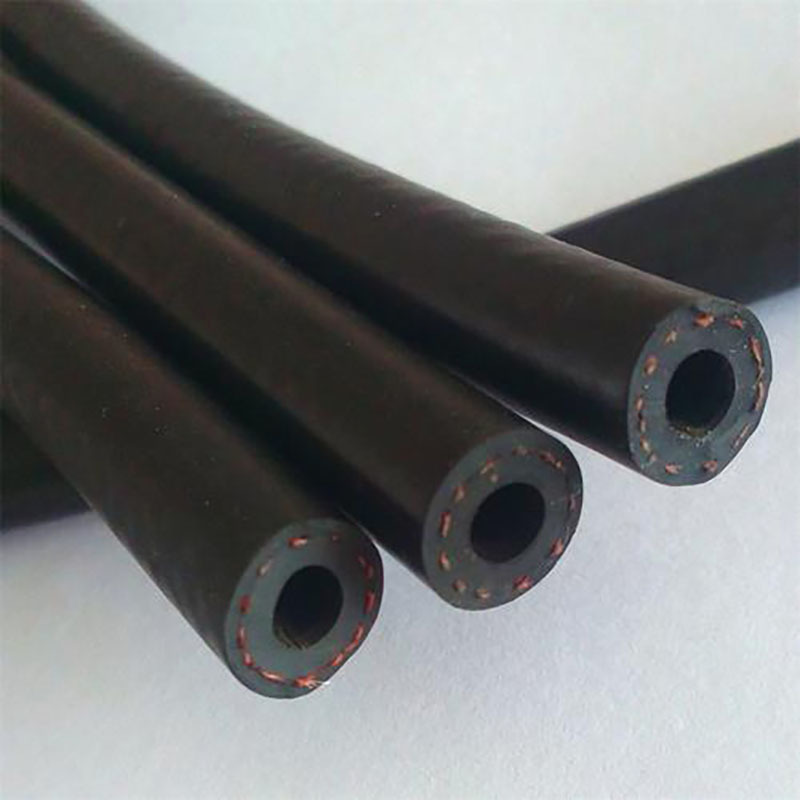
Oil resistant rubber hoses are specifically designed to handle various oils and fuel types without degrading or losing functionality. The materials used in their construction, such as synthetic rubber, provide enhanced resistance to petroleum-based products, ensuring longevity and reliability. In the automotive sector, these hoses are vital for connecting different components, such as oil coolers, engines, and fuel systems.
One of the key attributes of oil resistant rubber hoses is their flexibility. This flexibility allows for easy installation in tight spaces and accommodates movements caused by engine vibrations or shifts in the vehicle’s structure. This feature is particularly important in modern vehicles, where space constraints and intricate designs are common.
Moreover, oil resistant rubber hoses are engineered to withstand extreme temperatures. They can maintain performance in both high and low-temperature environments, making them suitable for a variety of automotive applications. This thermal stability is essential in preventing hose failure, which can lead to leaks or system malfunctions.
Another significant aspect of oil resistant rubber hoses is their resistance to environmental factors. These hoses are often exposed to UV rays, ozone, and various chemicals throughout their lifespan. High-quality oil resistant rubber hoses are formulated to resist these elements, ensuring they do not crack or degrade over time. This durability contributes to the overall safety and efficiency of automotive systems.
In addition to their technical benefits, oil resistant rubber hoses also contribute to the overall performance of vehicles. By providing a reliable means of fluid transfer, they help maintain proper pressure levels within the system, enhancing engine efficiency and reducing emissions. This functionality aligns with the increasing demand for environmentally friendly automotive solutions, where every component plays a role in reducing the carbon footprint.
From a maintenance perspective, using oil resistant rubber hoses can also lead to cost savings. Their durability and resistance to wear and tear can extend the intervals between replacements, minimizing downtime and maintenance costs for automotive professionals and vehicle owners alike.
In conclusion, oil resistant rubber hoses are indispensable components in automotive applications. Their unique properties, including flexibility, temperature resistance, and durability, make them ideal for transferring oils and fuels safely and efficiently. As the automotive industry continues to innovate, the importance of high-quality materials like oil resistant rubber hoses cannot be overstated. Understanding their features and benefits is essential for anyone involved in vehicle maintenance and manufacturing.
TAG:

Contact Us
Phone/WhatsApp
Address
Fotai, Duqiao Town, Jing County, Hengshui City, Hebei Province, China
Your One Stop, One Solution!
Each optimal solution is determined by its particular application requirements, design, and installation parameters combined with our experience and know-how on rubber hose technology.
CONTACT US
E-Mail: andy@ydhose.com
Tel.:+86-18732861678
WhatsApp:+8613676932567
Address:Fotai, Duqiao Town, Jing County, Hengshui City, Hebei Province, China


