
The Essential Role of Acid Resistant Rubber Hoses in Enhancing Engine Performance
May 18,2026
The Essential Role of Acid Resistant Rubber Hoses in Enhancing Engine Performance
In the world of automotive engineering, the components that often go unnoticed play a critical role in ensuring optimal engine performance. One such component is the acid resistant rubber hose. While it may seem like a simple piece of equipment, its impact on vehicle performance is profound. In this article, we will explore the intricate relationship between acid resistant rubber hoses and engine performance, focusing on their unique properties, benefits, applications, and maintenance.
Table of Contents
- Understanding Acid Resistant Rubber Hoses
- The Importance of Engine Performance
- Material Properties of Acid Resistant Hoses
- Applications in Automotive Engineering
- Benefits of Using Acid Resistant Rubber Hoses
- Maintenance of Acid Resistant Hoses
- Common Issues and Solutions
- Conclusion
Understanding Acid Resistant Rubber Hoses
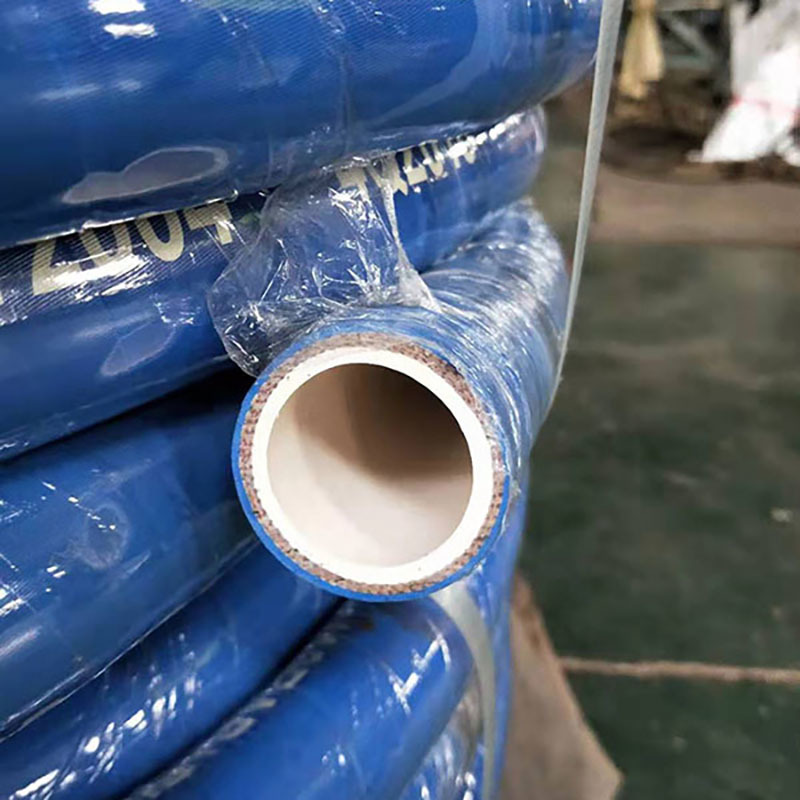
Acid resistant rubber hoses are specifically designed to withstand corrosive substances and extreme temperatures. These hoses are constructed from specialized rubber compounds that offer enhanced resistance to chemicals, including acids, oils, and solvents. Their primary function is to transport fluids throughout various engine systems, including coolant, fuel, and hydraulic fluids, without compromising performance or safety.
The Composition of Acid Resistant Rubber
The unique composition of acid resistant rubber hoses includes a blend of synthetic rubber, reinforcing fabrics, and additives that enhance their durability and flexibility. Common materials used in their production include neoprene, EPDM (ethylene propylene diene monomer), and fluorocarbon elastomers. These materials not only offer resistance to acids but also provide excellent weathering, aging, and ozone resistance.
The Importance of Engine Performance
Engine performance is the cornerstone of a vehicle's efficiency, speed, and overall functionality. Numerous factors contribute to engine performance, including air-fuel mixture, fuel delivery, and temperature regulation. Acid resistant rubber hoses play a vital role in maintaining these factors by ensuring that fluids are transported efficiently and safely throughout the engine.
Optimizing Fluid Transport
Efficient fluid transport is essential for maintaining optimal engine temperatures and preventing overheating. Acid resistant rubber hoses facilitate this process by providing a reliable pathway for coolant and other essential fluids. When these hoses are compromised, it can lead to leaks, reduced performance, and even severe engine damage.
Material Properties of Acid Resistant Hoses
Understanding the material properties of acid resistant rubber hoses is crucial for appreciating their role in engine performance. These hoses exhibit several key characteristics that make them indispensable in automotive applications.
Flexibility and Durability
One of the standout features of acid resistant rubber hoses is their flexibility. Unlike traditional rubber hoses, which can become brittle over time, acid resistant hoses maintain their flexibility even under extreme temperatures and pressures. This characteristic allows them to withstand the stresses of engine operation without cracking or breaking.
Temperature and Chemical Resistance
Acid resistant rubber hoses are engineered to endure high temperatures and corrosive environments. Their ability to resist chemical degradation ensures a longer lifespan, reducing the frequency of replacements and enhancing overall vehicle reliability. This resistance is particularly important in high-performance engines that operate under severe conditions.
Applications in Automotive Engineering
Acid resistant rubber hoses are utilized in a variety of applications within the automotive sector. Their versatility allows them to serve multiple functions, contributing to overall engine efficiency and performance.
Cooling Systems
In cooling systems, acid resistant rubber hoses transport coolant to and from the engine, ensuring that it operates at optimal temperatures. These hoses must withstand the high pressures and temperatures associated with engine cooling, making acid resistance a crucial feature.
Fuel Systems
Fuel delivery is another critical area where acid resistant hoses excel. They are used to transport fuel from the tank to the engine, ensuring that fuel is delivered efficiently and safely. The chemical resistance of these hoses prevents fuel leaks, which can lead to hazardous situations and decreased engine performance.
Hydraulic Systems
Many vehicles utilize hydraulic systems for steering, braking, and suspension control. Acid resistant rubber hoses are ideal for these applications due to their ability to withstand high pressure and exposure to hydraulic fluids. Their reliability in hydraulic systems enhances vehicle safety and performance.
Benefits of Using Acid Resistant Rubber Hoses
Incorporating acid resistant rubber hoses in engine design and maintenance offers numerous benefits that extend beyond mere functionality.
Increased Reliability
The durability and chemical resistance of acid resistant rubber hoses contribute to overall vehicle reliability. By minimizing the risk of leaks and failures, vehicle owners can enjoy peace of mind knowing their engine components are well-protected against corrosive substances.
Cost-Effectiveness
While acid resistant rubber hoses may come at a higher initial cost than standard hoses, their longevity and reduced maintenance needs make them a cost-effective choice in the long run. Fewer replacements and repairs translate into lower overall costs for vehicle owners.
Enhanced Performance
As discussed, acid resistant rubber hoses play a significant role in optimizing fluid transport. This optimization directly correlates with enhanced engine performance, improved fuel efficiency, and reduced emissions, making them an essential component for environmentally conscious drivers.
Maintenance of Acid Resistant Hoses
To ensure the longevity and effectiveness of acid resistant rubber hoses, regular maintenance is essential. Here are key practices to keep in mind:
Regular Inspections
Vehicle owners should conduct regular inspections of their acid resistant hoses for any signs of wear or damage. Look for cracks, leaks, or bulging, which can indicate that a hose is nearing the end of its lifespan.
Proper Installation
Ensuring that acid resistant hoses are installed correctly is critical for their performance. Improper installation can lead to kinks, bends, or pressure points that may compromise the hose's integrity. Always consult with a professional when replacing or installing new hoses.
Environmental Considerations
Exposure to harsh environmental conditions can accelerate the deterioration of rubber hoses. It's essential to protect hoses from direct sunlight, extreme temperatures, and harsh chemicals whenever possible.
Common Issues and Solutions
Even acid resistant rubber hoses can encounter issues over time. Understanding common problems and their solutions can help maintain optimal engine performance.
Leakage
Leakage is one of the most common issues associated with rubber hoses. If you notice fluid pooling under your vehicle, inspect the hoses for cracks or signs of wear. Replacing damaged hoses promptly will prevent further engine damage.
Cracking and Hardening
Over time, even acid resistant rubber can harden and crack due to prolonged exposure to heat and chemicals. Regular inspections and replacing hoses that show signs of aging will help maintain a reliable engine.
Clogging
Debris and contaminants can accumulate in hoses, leading to clogs that restrict fluid flow. Regular cleaning and ensuring that the fluid being transported is clean can help mitigate this issue.
Conclusion
Acid resistant rubber hoses are a vital component in the realm of automotive engineering, significantly enhancing engine performance through their unique properties and reliability. By understanding their applications, benefits, and maintenance requirements, vehicle owners can ensure their engines operate at peak efficiency. As we continue to innovate in automotive technology, the importance of durable, efficient components like acid resistant rubber hoses will only grow, contributing to safer, more reliable vehicles on the road.
FAQs
- What are acid resistant rubber hoses made of?
Acid resistant rubber hoses are typically constructed from synthetic rubber compounds, such as neoprene and EPDM, along with reinforcing fabrics that provide added durability. - How do acid resistant hoses improve engine performance?
These hoses optimize fluid transport within the engine, ensuring that coolant, fuel, and hydraulic fluids are delivered efficiently, thus preventing overheating and enhancing overall performance. - Can I use regular rubber hoses instead of acid resistant ones?
Using standard rubber hoses in applications involving corrosive substances can lead to premature failure and leaks, which may damage the engine. It is best to use acid resistant hoses for these applications. - How often should I replace acid resistant rubber hoses?
The lifespan of acid resistant hoses can vary based on usage and conditions, but regular inspections should be conducted, and hoses should be replaced at the first sign of wear or damage. - What maintenance should I perform on acid resistant rubber hoses?
Regular inspections, proper installation, and protecting hoses from harsh environmental conditions are essential maintenance practices to ensure their longevity and effectiveness.

Contact Us
Phone/WhatsApp
Address
Fotai, Duqiao Town, Jing County, Hengshui City, Hebei Province, China
Your One Stop, One Solution!
Each optimal solution is determined by its particular application requirements, design, and installation parameters combined with our experience and know-how on rubber hose technology.
CONTACT US
E-Mail: andy@ydhose.com
Tel.:+86-18732861678
WhatsApp:+8613676932567
Address:Fotai, Duqiao Town, Jing County, Hengshui City, Hebei Province, China


