
Understanding Low Pressure Rubber Hoses: Essential Components for Automotive Applications
May 16,2026
Low pressure rubber hoses are essential components in various automotive applications, serving as conduits for transferring fluids such as water, oil, fuel, and air. These hoses are designed to operate under relatively low pressure, typically ranging from 5 to 15 psi, making them ideal for specific functions within vehicles. Understanding their structure, applications, and maintenance can signific
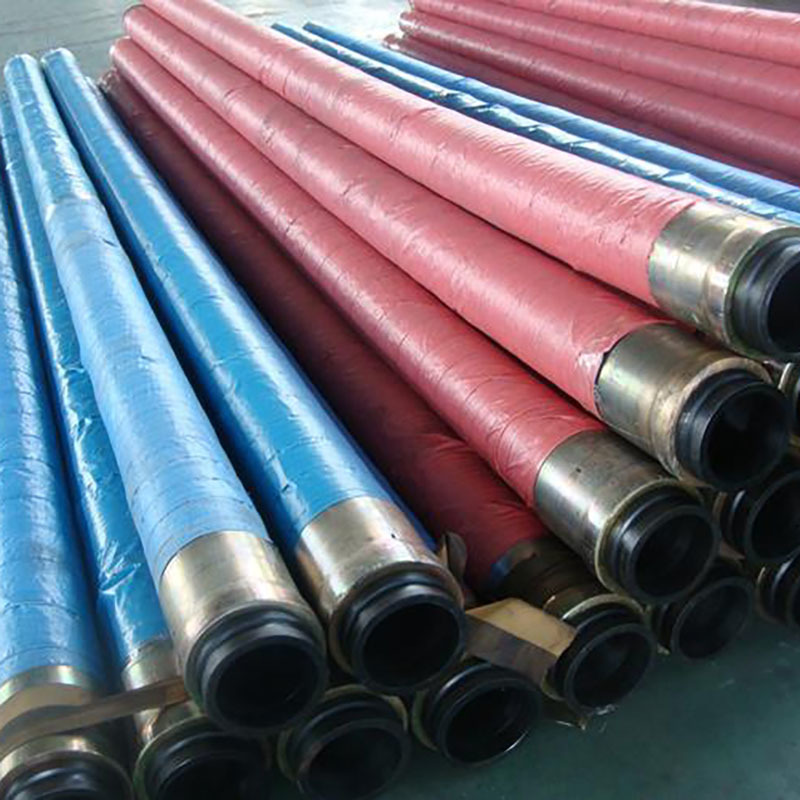
Low pressure rubber hoses are essential components in various automotive applications, serving as conduits for transferring fluids such as water, oil, fuel, and air. These hoses are designed to operate under relatively low pressure, typically ranging from 5 to 15 psi, making them ideal for specific functions within vehicles. Understanding their structure, applications, and maintenance can significantly contribute to their longevity and efficiency.
The primary material used in the construction of low pressure rubber hoses is synthetic rubber, which is chosen for its flexibility, durability, and resistance to various environmental factors, including UV light and ozone. The flexibility of these hoses allows for easy routing and installation in tight spaces, which is often a requirement in modern vehicles. Reinforcement layers, typically made of fabric or wire, may be included to enhance strength and reduce the risk of rupture under pressure fluctuations.
Low pressure rubber hoses are commonly used in engine cooling systems, fuel delivery systems, and air intake systems. For example, they are crucial in connecting components like the radiator to the engine, allowing for the efficient circulation of coolant. In fuel systems, these hoses ensure the safe transfer of gasoline or diesel from the tank to the engine, while in air intake applications, they facilitate the flow of air necessary for combustion. These hoses are integral to the operational efficiency of vehicles and play a significant role in maintaining engine performance.
Despite their robust design, low pressure rubber hoses require regular maintenance to ensure optimal performance. It is essential to inspect these hoses for signs of wear, such as cracking, bulging, or leaks. Regular checks can prevent unexpected failures that could lead to significant automotive issues. Additionally, ensuring proper installation and avoiding sharp bends during routing can help prevent damage and prolong the hose's lifespan.
When replacing low pressure rubber hoses, it is crucial to select the correct specifications to match the vehicle's requirements. Factors such as internal diameter, length, and operating temperature should be considered. Choosing the right hose ensures compatibility with the automotive system and helps maintain performance standards.
In conclusion, low pressure rubber hoses are vital components in automotive applications that require careful selection, installation, and maintenance. By understanding their role and ensuring their upkeep, automotive professionals can contribute to the overall reliability and efficiency of vehicles. This knowledge is essential for anyone involved in the automotive industry, whether in manufacturing, repair, or maintenance, as it informs best practices and enhances operational safety.
TAG:

Contact Us
Phone/WhatsApp
Address
Fotai, Duqiao Town, Jing County, Hengshui City, Hebei Province, China
Your One Stop, One Solution!
Each optimal solution is determined by its particular application requirements, design, and installation parameters combined with our experience and know-how on rubber hose technology.
CONTACT US
E-Mail: andy@ydhose.com
Tel.:+86-18732861678
WhatsApp:+8613676932567
Address:Fotai, Duqiao Town, Jing County, Hengshui City, Hebei Province, China


