
How to Properly Install High Pressure Hose Assembly in Your Vehicle
May 17,2026
How to Properly Install High Pressure Hose Assembly in Your Vehicle
Table of Contents
Understanding High Pressure Hose Assemblies
The Importance of Proper Installation
Essential Tools for High Pressure Hose Installation
Step-by-Step Guide to Installing High Pressure Hose Assemblies
Preparation for Installation
Removing the Old Hos
How to Properly Install High Pressure Hose Assembly in Your Vehicle
Table of Contents
- Understanding High Pressure Hose Assemblies
- The Importance of Proper Installation
- Essential Tools for High Pressure Hose Installation
- Step-by-Step Guide to Installing High Pressure Hose Assemblies
- Testing the Installation
- Common Mistakes to Avoid
- Maintaining Your High Pressure Hose Assembly
- FAQs
Understanding High Pressure Hose Assemblies
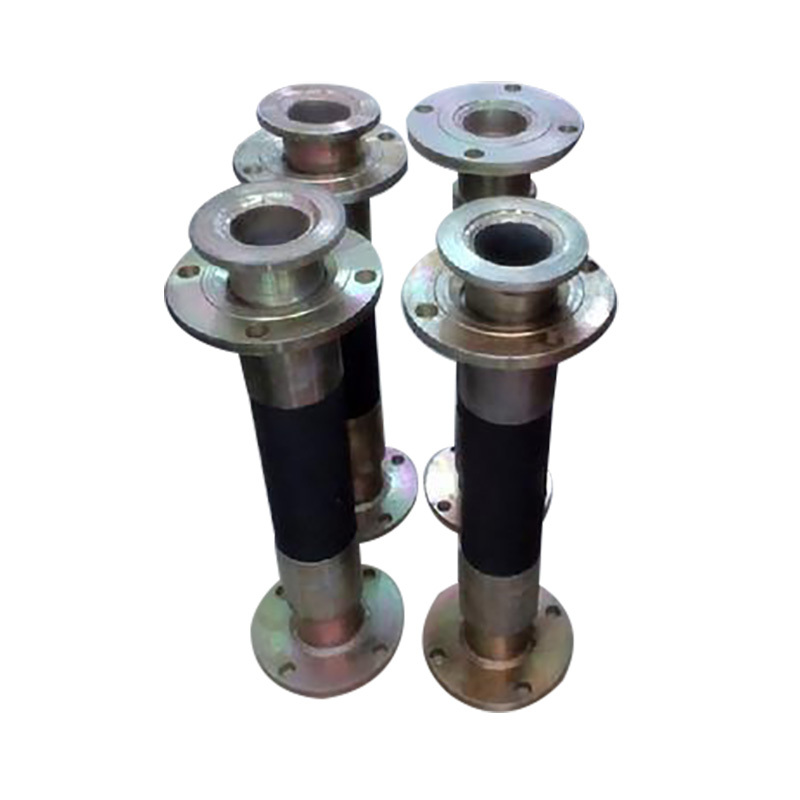
High pressure hose assemblies are integral components in various automotive systems, transferring fluid under significant pressure. These hoses are typically constructed from durable materials like rubber or thermoplastic and reinforced with braided wires to withstand high-pressure conditions. Understanding their function helps highlight why proper installation is crucial for vehicle performance and safety.
The Importance of Proper Installation
Installing high pressure hose assemblies correctly is paramount for several reasons:
1. **Safety**: Improperly installed hoses can lead to leaks or bursts, posing serious safety risks.
2. **Performance**: A well-installed hose ensures optimal fluid transfer, affecting engine performance and efficiency.
3. **Longevity**: Correct installation reduces wear and tear, extending the life of the hose and associated components.
Essential Tools for High Pressure Hose Installation
Before diving into the installation process, gather the following tools to ensure a smooth operation:
- **Wrenches**: Both standard and metric sizes to accommodate different fittings.
- **Hose Cutters**: For clean cuts when preparing hoses.
- **Torque Wrench**: To apply the correct tension on fittings.
- **Ratcheting Straps**: To hold hoses in place during installation.
- **Cleaning Supplies**: Such as rags and cleaning fluids to remove old residue.
Step-by-Step Guide to Installing High Pressure Hose Assemblies
Follow these detailed steps to ensure a successful installation of your high pressure hose assembly:
Preparation for Installation
1. **Read the Manufacturer's Instructions**: Always start by reviewing the manufacturer’s guidelines for specific hose assembly requirements.
2. **Gather Necessary Tools and Materials**: Ensure all tools and materials are on hand to avoid interruptions during the installation process.
3. **Safety Precautions**: Wear safety goggles and gloves to protect against accidental spills or leaks.
Removing the Old Hose
1. **Locate the Old Hose**: Identify the high pressure hose assembly that needs replacement.
2. **Drain the System**: If applicable, drain the fluid from the system to prevent spills.
3. **Loosen Fittings**: Use the appropriate wrench to carefully loosen and remove the fittings connected to the old hose.
4. **Carefully Remove the Hose**: Once the fittings are detached, gently pull the hose from its connection points. Check for any remaining debris or residue in the fittings.
Installing the New Hose
1. **Cut the New Hose to Length**: If necessary, use hose cutters to trim the new high pressure hose to the required length. Ensure the cut is clean and straight.
2. **Prep the Fittings and Hose Ends**: Clean the fittings and apply a small amount of lubricant if recommended by the manufacturer.
3. **Attach the New Hose**: Slide the new hose onto the fittings and secure them tightly with the wrench, following the recommended torque specifications.
4. **Ensure Proper Alignment**: Make sure the hose is properly aligned and secured to avoid kinks or bends that could affect performance.
Testing the Installation
After installation, it's crucial to test the system to ensure there are no leaks and that everything functions correctly:
1. **Reconnect the Fluid System**: Refill the system with the appropriate fluid if it was drained.
2. **Start the Engine**: Turn on the vehicle and allow it to run for a few minutes, monitoring for any signs of leaks around the newly installed hose.
3. **Check Pressure Levels**: Verify that the pressure levels are within the acceptable range as per the vehicle's specifications.
4. **Inspect for Kinks or Twists**: Look over the hose to ensure it is not kinked or twisted, which could cause premature wear or failure.
Common Mistakes to Avoid
1. **Neglecting to Read Instructions**: Skipping the manufacturer’s instructions can lead to improper installation.
2. **Overtightening Fittings**: Applying too much torque can damage the fittings or hose, leading to leaks.
3. **Ignoring Visual Inspections**: Failing to check for kinks or twists in the hose can result in poor performance.
4. **Using the Wrong Tools**: Utilizing the incorrect tool can cause damage to fittings or the hose itself, leading to complications down the line.
Maintaining Your High Pressure Hose Assembly
Proper maintenance can significantly extend the life of your high pressure hose assembly:
1. **Regular Inspections**: Frequently check for signs of wear, leaks, or damage.
2. **Cleanliness**: Keep the area around the hose assembly clean to prevent dirt and grime from entering the system.
3. **Fluid Levels**: Monitor fluid levels and top off as necessary to ensure optimal pressure.
4. **Timely Replacements**: Replace hoses according to the vehicle's maintenance schedule or sooner if wear is detected.
FAQs
**Q1: How often should I replace high pressure hoses in my vehicle?**
A1: It's advisable to inspect high pressure hoses regularly and replace them every 3-5 years or sooner if wear is observed.
**Q2: Can I install high pressure hoses myself?**
A2: Yes, with the right tools and knowledge, installing high pressure hoses can be a manageable DIY project.
**Q3: What materials are high pressure hoses made from?**
A3: High pressure hoses are typically made from rubber or thermoplastic materials, reinforced with braided wires or other robust materials.
**Q4: What are the signs of a failing high pressure hose?**
A4: Look for visible cracks, leaks, or bulging in the hose, as well as decreased performance in the associated system.
**Q5: Are there specific brands of hoses that are better than others?**
A5: It’s essential to choose hoses from reputable manufacturers that meet or exceed OEM specifications for your vehicle.
Conclusion
Understanding the importance of proper installation and maintenance of high pressure hose assemblies is crucial for every vehicle owner. By following our detailed step-by-step guide and avoiding common pitfalls, you can ensure that your vehicle operates safely and efficiently. Whether you're a seasoned mechanic or an enthusiastic DIYer, mastering this skill will not only contribute to your vehicle's performance but also enhance your confidence in vehicle maintenance. Remember, investing time in quality installation and routine checks will pay off through improved vehicle reliability and longevity.
TAG:

Contact Us
Phone/WhatsApp
Address
Fotai, Duqiao Town, Jing County, Hengshui City, Hebei Province, China
Your One Stop, One Solution!
Each optimal solution is determined by its particular application requirements, design, and installation parameters combined with our experience and know-how on rubber hose technology.
CONTACT US
E-Mail: andy@ydhose.com
Tel.:+86-18732861678
WhatsApp:+8613676932567
Address:Fotai, Duqiao Town, Jing County, Hengshui City, Hebei Province, China


