
High Pressure Rubber Hoses vs. Traditional Hoses: What You Need to Know
May 15,2026
High Pressure Rubber Hoses vs. Traditional Hoses: What You Need to Know
Table of Contents
1. Introduction to Hoses
2. Types of Hoses in the Automotive Industry
3. What are High Pressure Rubber Hoses?
4. Understanding Traditional Hoses
5. Advantages of High Pressure Rubber Hoses
6. Disadvantages of High Pressure Rubber Hoses
7. Advantages and Disadvantages of Traditional Hoses
8. K
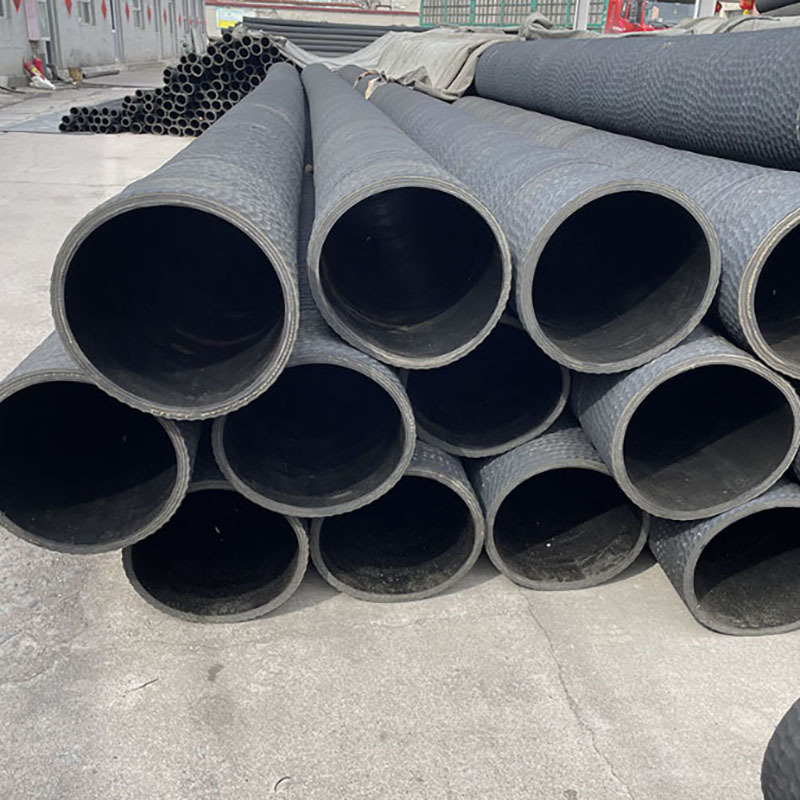
High Pressure Rubber Hoses vs. Traditional Hoses: What You Need to Know
Table of Contents
- 1. Introduction to Hoses
- 2. Types of Hoses in the Automotive Industry
- 3. What are High Pressure Rubber Hoses?
- 4. Understanding Traditional Hoses
- 5. Advantages of High Pressure Rubber Hoses
- 6. Disadvantages of High Pressure Rubber Hoses
- 7. Advantages and Disadvantages of Traditional Hoses
- 8. Key Applications of High Pressure Rubber Hoses vs. Traditional Hoses
- 9. Maintenance Tips for Hoses
- 10. Conclusion
- 11. FAQs
1. Introduction to Hoses
In the world of automotive and industrial applications, hoses are vital components that facilitate the safe and efficient transfer of fluids and gases. They come in various types, each engineered for specific tasks and environments. This article explores the differences between **high-pressure rubber hoses** and **traditional hoses**, providing insights into their unique characteristics, applications, and advantages.
2. Types of Hoses in the Automotive Industry
The automotive industry relies on several types of hoses, including:
- **Rubber Hoses**: Typically used in fuel and cooling systems.
- **High-Pressure Hoses**: Designed to withstand extreme pressure, often used in hydraulic systems.
- **Silicone Hoses**: Commonly used in high-temperature applications, such as turbocharging.
- **PVC Hoses**: Versatile and cost-effective, used in both automotive and gardening applications.
While all these hoses have their specific uses, high-pressure rubber hoses and traditional hoses are two of the most crucial types.
3. What are High Pressure Rubber Hoses?
High-pressure rubber hoses are specially designed to endure significant pressure and temperature changes. These hoses are typically constructed from durable synthetic rubber compounds, making them resistant to wear, abrasion, and various chemicals.
**Key Features of High Pressure Rubber Hoses**:
- **Construction**: Reinforced with layers of fabric or steel wire, these hoses offer unmatched strength and flexibility.
- **Pressure Ratings**: Generally rated for pressures ranging from 300 to over 5,000 psi, depending on the application.
- **Applications**: Commonly used in hydraulic systems, heavy machinery, and automotive applications requiring high-pressure fluid transfer.
4. Understanding Traditional Hoses
Traditional hoses, often made from standard rubber or synthetic materials, are designed for general-purpose applications. They are typically used in situations where pressure and temperature demands are moderate.
**Characteristics of Traditional Hoses**:
- **Material Composition**: Made from various types of rubber or plastic materials.
- **Pressure Ratings**: Generally lower than high-pressure hoses, often around 100 to 300 psi.
- **Applications**: Used in automotive cooling systems, fuel lines, and simple pneumatic applications.
5. Advantages of High Pressure Rubber Hoses
High-pressure rubber hoses offer numerous benefits that make them the preferred choice for demanding applications:
- **Strength and Durability**: These hoses can withstand extreme conditions, minimizing the risk of failure.
- **Versatility**: Suitable for a wide range of applications, including hydraulic systems and industrial equipment.
- **Safety**: Reduced risk of leaks and ruptures, ensuring safer operation.
6. Disadvantages of High Pressure Rubber Hoses
Despite their many advantages, high-pressure rubber hoses also come with some drawbacks:
- **Cost**: Typically more expensive than traditional hoses.
- **Weight**: Heavier than standard hoses, which might be a consideration in specific applications.
- **Complexity**: Installation and maintenance may require specialized knowledge.
7. Advantages and Disadvantages of Traditional Hoses
Traditional hoses have their own set of pros and cons that are important to consider:
**Advantages**:
- **Affordability**: Generally less expensive than high-pressure hoses.
- **Lightweight**: Easier to handle and install in less demanding applications.
- **Simplicity**: Often easier to find replacements and perform basic maintenance.
**Disadvantages**:
- **Limited Pressure Resistance**: Not suitable for high-pressure applications.
- **Durability**: More prone to wear and tear in challenging environments.
- **Flexibility**: May not perform well in extreme temperatures or pressures.
8. Key Applications of High Pressure Rubber Hoses vs. Traditional Hoses
Understanding the applications of both high-pressure rubber hoses and traditional hoses helps in making informed choices:
- **High Pressure Rubber Hoses**:
- Hydraulic systems (e.g., construction machinery)
- Oil and gas industry
- Automotive hydraulic brake systems
- **Traditional Hoses**:
- Cooling systems in vehicles
- Fuel lines in low-pressure applications
- General-purpose pneumatic tools
9. Maintenance Tips for Hoses
Proper maintenance is essential for maximizing the lifespan and performance of both high-pressure rubber hoses and traditional hoses:
- **Regular Inspections**: Check for signs of wear, cracks, or leaks.
- **Proper Storage**: Store hoses away from direct sunlight and harsh chemicals.
- **Cleaning**: Clean hoses regularly to prevent the buildup of dirt and debris.
- **Replacement**: Replace hoses at the first sign of damage to prevent failure.
10. Conclusion
In summary, choosing between high-pressure rubber hoses and traditional hoses depends largely on the specific requirements of your application. High-pressure rubber hoses provide exceptional strength and durability for demanding environments, while traditional hoses offer a cost-effective solution for less intense applications. By understanding the differences, advantages, and limitations of each type, you can make informed choices that ensure the efficiency and safety of your automotive or industrial systems.
11. FAQs
What is the main difference between high-pressure rubber hoses and traditional hoses?
High-pressure rubber hoses are designed to withstand much higher pressures and temperatures compared to traditional hoses, making them suitable for demanding applications.
Can traditional hoses be used in high-pressure applications?
No, traditional hoses are typically rated for much lower pressure levels, and using them in high-pressure applications can lead to failure and safety hazards.
Are high-pressure rubber hoses more expensive than traditional hoses?
Yes, high-pressure rubber hoses generally cost more due to their specialized construction and materials.
How do I know when to replace my hoses?
You should replace hoses if you notice any signs of wear, such as cracks, bulging, or leaks. Regular inspections are essential for identifying these issues early.
What maintenance is needed for hoses?
Regular inspections, proper storage, and cleaning are important maintenance practices to extend the lifespan of hoses.
TAG:

Contact Us
Phone/WhatsApp
Address
Fotai, Duqiao Town, Jing County, Hengshui City, Hebei Province, China
Your One Stop, One Solution!
Each optimal solution is determined by its particular application requirements, design, and installation parameters combined with our experience and know-how on rubber hose technology.
CONTACT US
E-Mail: andy@ydhose.com
Tel.:+86-18732861678
WhatsApp:+8613676932567
Address:Fotai, Duqiao Town, Jing County, Hengshui City, Hebei Province, China


