
Why Every Mechanic Needs to Understand High Pressure Hose Assembly
Apr 07,2026
Why Every Mechanic Needs to Understand High Pressure Hose Assembly
Table of Contents
Understanding High Pressure Hose Assembly
The Importance of High Pressure Hoses in Automotive Applications
Components of High Pressure Hose Assembly
Assembly Techniques for High Pressure Hoses
Safety Considerations in High Pressure Hose Work
Maintenance and Repair of High Pressure Hoses
Common Mista
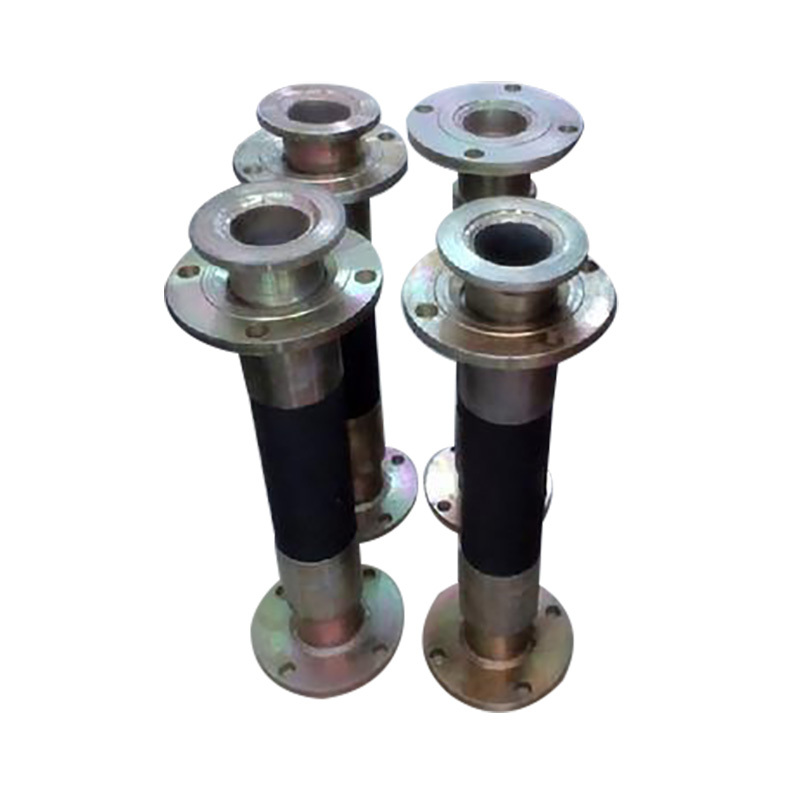
Why Every Mechanic Needs to Understand High Pressure Hose Assembly
Table of Contents
- Understanding High Pressure Hose Assembly
- The Importance of High Pressure Hoses in Automotive Applications
- Components of High Pressure Hose Assembly
- Assembly Techniques for High Pressure Hoses
- Safety Considerations in High Pressure Hose Work
- Maintenance and Repair of High Pressure Hoses
- Common Mistakes to Avoid in High Pressure Hose Assembly
- Future Trends in High Pressure Hose Technology
- Frequently Asked Questions
Understanding High Pressure Hose Assembly
High pressure hose assemblies are crucial components in various systems within the automotive industry. These hoses transport fluids and gases under high pressure, ensuring optimal performance and safety in vehicles. As mechanics, understanding the intricacies of these assemblies is not just beneficial but essential for ensuring the longevity and reliability of automotive systems.
High pressure hoses are specifically designed to withstand intense pressure and temperature variations. Their construction involves multiple layers of materials, including rubber and synthetic fibers, which enhance their durability and flexibility. Mechanics must grasp how these assemblies work to effectively diagnose and repair related issues.
The Importance of High Pressure Hoses in Automotive Applications
High pressure hoses serve multiple purposes in automotive applications, such as:
1. **Fluid Transfer**: These hoses are vital for transferring fluids, such as oil, coolant, and hydraulic fluid, throughout the vehicle.
2. **Safety**: Improperly functioning high-pressure hoses can lead to significant safety hazards, including leaks and ruptures that might cause engine failure or accidents.
3. **Performance Optimization**: Efficient fluid transfer contributes to the vehicle's overall performance. A well-assembled high-pressure hose assembly ensures that systems like brakes and power steering operate smoothly.
4. **Emission Control**: Many high-pressure hoses are involved in emission control systems, helping to maintain compliance with environmental regulations.
Understanding these critical functions underscores the need for mechanics to be well-versed in high-pressure hose assembly.
Components of High Pressure Hose Assembly
A high pressure hose assembly typically consists of several key components:
1. Hose
The hose itself is made from specialized materials that provide resistance to abrasion, chemicals, and heat. The inner lining may be constructed from rubber or thermoplastic, while the outer layer often includes a textile or metal reinforcement.
2. Fittings
Fittings are used to connect the hose to various components, such as pumps or engines. These fittings come in various shapes and sizes, including threaded, quick disconnect, and crimped styles, each suited for specific applications.
3. Couplings
Couplings are essential for joining hoses to create longer assemblies. They maintain the structural integrity of the hose under pressure and help facilitate quick connections and disconnections.
4. Clamps
Clamps secure the hose in place, preventing leaks and ensuring a snug fit. Proper installation of clamps is critical to maintaining the operational efficiency of the assembly.
Understanding these components allows mechanics to select the right materials and techniques for effective assembly and repair.
Assembly Techniques for High Pressure Hoses
When assembling high pressure hoses, employing the correct techniques is crucial for ensuring safety and performance. Here are some essential techniques:
1. Cutting the Hose
The hose must be cut cleanly and accurately to ensure a proper fit with the fittings. Using a hose cutter or a sharp utility knife can help achieve a straight cut.
2. Installing Fittings
Fittings can be installed using various methods, including crimping, swaging, or push-on techniques. Mechanics should follow manufacturer specifications for each assembly to ensure a secure connection.
3. Testing for Leaks
After assembly, the hoses should be tested under pressure to check for leaks. This step is imperative to catch any potential issues before the vehicle is back on the road.
4. Proper Routing
Hoses should be routed to minimize bends and kinks, which can lead to premature wear. Mechanics should ensure that hoses are organized and secured in a manner that prevents movement and abrasion.
Mastering these assembly techniques is vital for any mechanic working with high-pressure systems.
Safety Considerations in High Pressure Hose Work
Safety is paramount when working with high pressure hoses. Here are crucial safety considerations to keep in mind:
1. Personal Protective Equipment (PPE)
Always wear appropriate PPE, including gloves, eye protection, and face shields, to prevent injury from high-pressure fluid sprays.
2. Pressure Regulation
Never exceed the specified pressure ratings of the hoses or fittings. Regularly inspect hoses for signs of wear or damage that may compromise their integrity.
3. Proper Training
Mechanics should receive proper training regarding the handling of high-pressure systems to ensure they understand the associated risks and safe working practices.
4. Emergency Procedures
Establish emergency procedures in case of a hose failure. Mechanics should be familiar with how to quickly shut down systems and contain leaks.
By prioritizing safety, mechanics can protect themselves and ensure a secure working environment.
Maintenance and Repair of High Pressure Hoses
Regular maintenance is essential for high pressure hoses to ensure their longevity and reliability. Here are some best practices:
1. Routine Inspections
Conduct regular inspections for any signs of wear, such as cracking, fraying, or swelling. Early detection of these issues can prevent catastrophic failures.
2. Cleaning
Keep hoses clean and free from debris, as contaminants can lead to premature wear and potential failures.
3. Replacement Guidelines
Know when to replace hoses. Most manufacturers provide guidelines for lifespan and replacement schedules based on usage conditions.
4. Record Keeping
Maintain detailed records of inspections and repairs to track the condition and history of each hose assembly.
Implementing these maintenance practices can significantly enhance the performance and reliability of high pressure hose assemblies.
Common Mistakes to Avoid in High Pressure Hose Assembly
To ensure the best outcomes in high pressure hose assembly, mechanics should avoid the following common mistakes:
1. Incorrect Hose Selection
Selecting hoses that are not suitable for the intended application can lead to failures. Always refer to manufacturer specifications for guidance.
2. Inadequate Fitting Installation
Failing to properly install fittings can result in leaks and pressure loss. Ensuring a secure connection is vital for performance.
3. Neglecting Maintenance
Overlooking regular maintenance can lead to unexpected failures. Schedule routine inspections to catch issues early.
4. Ignoring Manufacturer Recommendations
Each hose and fitting has specific requirements. Ignoring these can compromise the safety and efficiency of the assembly.
By being aware of these common pitfalls, mechanics can enhance their proficiency in high pressure hose assembly.
Future Trends in High Pressure Hose Technology
The landscape of high pressure hose technology is continuously evolving. Here are some trends to watch:
1. Advanced Materials
Innovations in material science are leading to the development of hoses that are lighter, more flexible, and more resistant to extreme conditions.
2. Smart Hose Technology
Integration of sensors into high pressure hoses may soon provide real-time monitoring of pressure and temperature, enabling proactive maintenance.
3. Environmentally Friendly Options
Increasing demand for sustainable solutions is driving the creation of eco-friendly hoses that minimize environmental impact without compromising performance.
4. Customization and Modular Systems
Growth in customization options for hoses and fittings allows for more efficient assemblies tailored to specific applications in automotive industries.
Staying informed about these trends can help mechanics adapt to advancements in technology and enhance their skill sets.
Frequently Asked Questions
1. What are the main applications of high pressure hoses in automotive systems?
High pressure hoses are utilized in fluid transfer systems, brake lines, power steering, and hydraulic systems within vehicles.
2. How often should high pressure hoses be inspected?
Regular inspections should occur every few months, or as recommended by the manufacturer, especially for hoses under heavy use.
3. What materials are best for high pressure hoses?
Hoses made from reinforced rubber, thermoplastics, and stainless steel are commonly favored for their durability under high pressures.
4. How can I tell if a high pressure hose needs to be replaced?
Look for signs of wear such as cracking, bulging, or leaks. If any of these are present, it’s advisable to replace the hose immediately.
5. What safety gear should I wear when working with high pressure hoses?
Always wear gloves, safety glasses, and face shields to protect against injury from high-pressure fluids.
Conclusion
In conclusion, a robust understanding of high pressure hose assembly is indispensable for every mechanic. From the crucial role these hoses play in automotive performance to the specific techniques and safety protocols necessary for effective assembly, this knowledge not only enhances a mechanic's skill set but also ensures the safety and reliability of automotive systems. Regular maintenance, attention to detail, and staying abreast of new technologies will significantly impact the success of any mechanic in the field. Embracing this knowledge is not just about technical expertise; it is about commitment to excellence in the automotive industry.
TAG:
PREVIOUS:

Contact Us
Phone/WhatsApp
Address
Fotai, Duqiao Town, Jing County, Hengshui City, Hebei Province, China
Your One Stop, One Solution!
Each optimal solution is determined by its particular application requirements, design, and installation parameters combined with our experience and know-how on rubber hose technology.
CONTACT US
E-Mail: andy@ydhose.com
Tel.:+86-18732861678
WhatsApp:+8613676932567
Address:Fotai, Duqiao Town, Jing County, Hengshui City, Hebei Province, China


