
Understanding Low Pressure Rubber Hoses: Key Insights for Automotive Professionals
Apr 06,2026
Low pressure rubber hoses are crucial components in the automotive industry, specifically in applications that require the transfer of fluids under moderate pressure. These hoses are designed to withstand specific operational conditions while maintaining flexibility and durability. Understanding their properties and applications is essential for automotive professionals who aim to ensure the optim
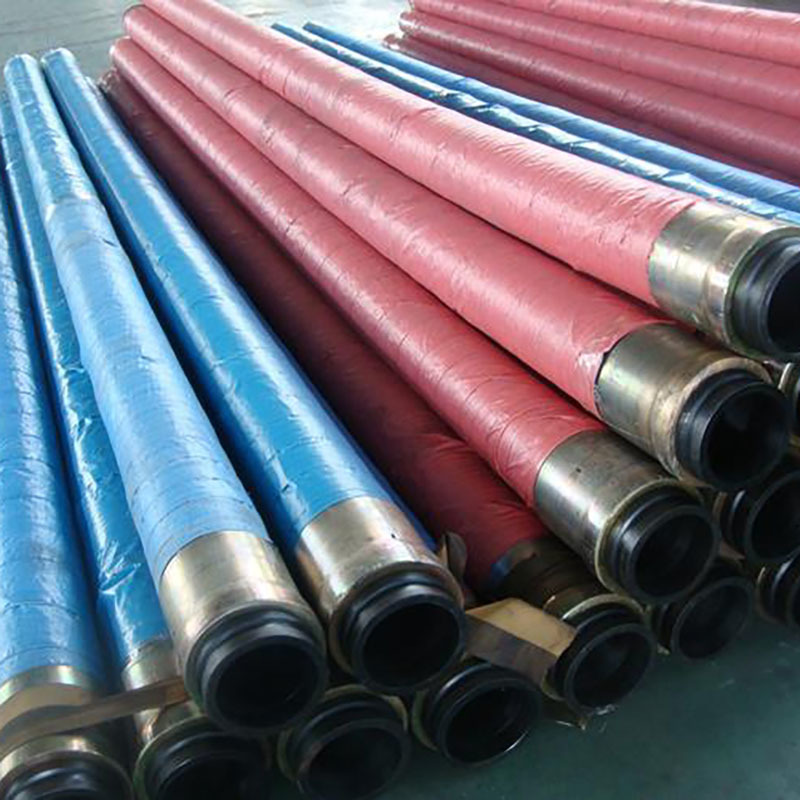
Low pressure rubber hoses are crucial components in the automotive industry, specifically in applications that require the transfer of fluids under moderate pressure. These hoses are designed to withstand specific operational conditions while maintaining flexibility and durability. Understanding their properties and applications is essential for automotive professionals who aim to ensure the optimal performance of their vehicles.
The construction of low pressure rubber hoses usually involves high-quality rubber compounds that provide excellent resistance to wear, weather, and various fluids, including oils and coolants. The inner lining of the hose is often designed to minimize friction and enhance flow, which is critical in applications involving fuel and hydraulic systems. When choosing a low pressure rubber hose, it is essential to consider factors such as temperature resistance, chemical compatibility, and the hose's intended use.
One of the significant advantages of low pressure rubber hoses is their flexibility. Unlike rigid pipes, these hoses can bend and twist, allowing for easier routing in tight spaces within the automotive systems. This flexibility not only facilitates installation but also helps in reducing the risk of potential damage due to vibrations and movement of the vehicle.
Maintenance of low pressure rubber hoses is paramount for ensuring longevity and performance. Regular inspections should be conducted to check for signs of wear, cracking, or swelling, which can indicate deterioration of the hose material. Additionally, proper installation is crucial; hoses should be secured with appropriate clamps, and care should be taken to avoid sharp bends that could lead to kinking.
In terms of applications, low pressure rubber hoses are commonly used in cooling systems, fuel lines, and air intake systems. They play a vital role in the efficient operation of engines by facilitating the proper flow of coolant, fuel, and air. Understanding the specific requirements of these applications will aid automotive professionals in selecting the right hose for their projects.
Moreover, it is essential to stay informed about the latest advancements in hose technology. Innovations in rubber compounds and manufacturing processes can lead to enhanced performance, such as improved resistance to high temperatures and better durability. As the automotive industry continues to evolve, being knowledgeable about these changes can provide a competitive edge.
In conclusion, low pressure rubber hoses are indispensable in the automotive sector. Their flexibility, durability, and efficiency make them ideal for various applications. By understanding the properties, maintenance needs, and advancements in hose technology, automotive professionals can enhance their expertise and ensure the reliability of their systems.
The construction of low pressure rubber hoses usually involves high-quality rubber compounds that provide excellent resistance to wear, weather, and various fluids, including oils and coolants. The inner lining of the hose is often designed to minimize friction and enhance flow, which is critical in applications involving fuel and hydraulic systems. When choosing a low pressure rubber hose, it is essential to consider factors such as temperature resistance, chemical compatibility, and the hose's intended use.
One of the significant advantages of low pressure rubber hoses is their flexibility. Unlike rigid pipes, these hoses can bend and twist, allowing for easier routing in tight spaces within the automotive systems. This flexibility not only facilitates installation but also helps in reducing the risk of potential damage due to vibrations and movement of the vehicle.
Maintenance of low pressure rubber hoses is paramount for ensuring longevity and performance. Regular inspections should be conducted to check for signs of wear, cracking, or swelling, which can indicate deterioration of the hose material. Additionally, proper installation is crucial; hoses should be secured with appropriate clamps, and care should be taken to avoid sharp bends that could lead to kinking.
In terms of applications, low pressure rubber hoses are commonly used in cooling systems, fuel lines, and air intake systems. They play a vital role in the efficient operation of engines by facilitating the proper flow of coolant, fuel, and air. Understanding the specific requirements of these applications will aid automotive professionals in selecting the right hose for their projects.
Moreover, it is essential to stay informed about the latest advancements in hose technology. Innovations in rubber compounds and manufacturing processes can lead to enhanced performance, such as improved resistance to high temperatures and better durability. As the automotive industry continues to evolve, being knowledgeable about these changes can provide a competitive edge.
In conclusion, low pressure rubber hoses are indispensable in the automotive sector. Their flexibility, durability, and efficiency make them ideal for various applications. By understanding the properties, maintenance needs, and advancements in hose technology, automotive professionals can enhance their expertise and ensure the reliability of their systems.
TAG:
PREVIOUS:

Contact Us
Phone/WhatsApp
Address
Fotai, Duqiao Town, Jing County, Hengshui City, Hebei Province, China
Your One Stop, One Solution!
Each optimal solution is determined by its particular application requirements, design, and installation parameters combined with our experience and know-how on rubber hose technology.
CONTACT US
E-Mail: andy@ydhose.com
Tel.:+86-18732861678
WhatsApp:+8613676932567
Address:Fotai, Duqiao Town, Jing County, Hengshui City, Hebei Province, China


