
A Comprehensive Guide to Choosing the Right High Pressure Rubber Hose
Apr 05,2026
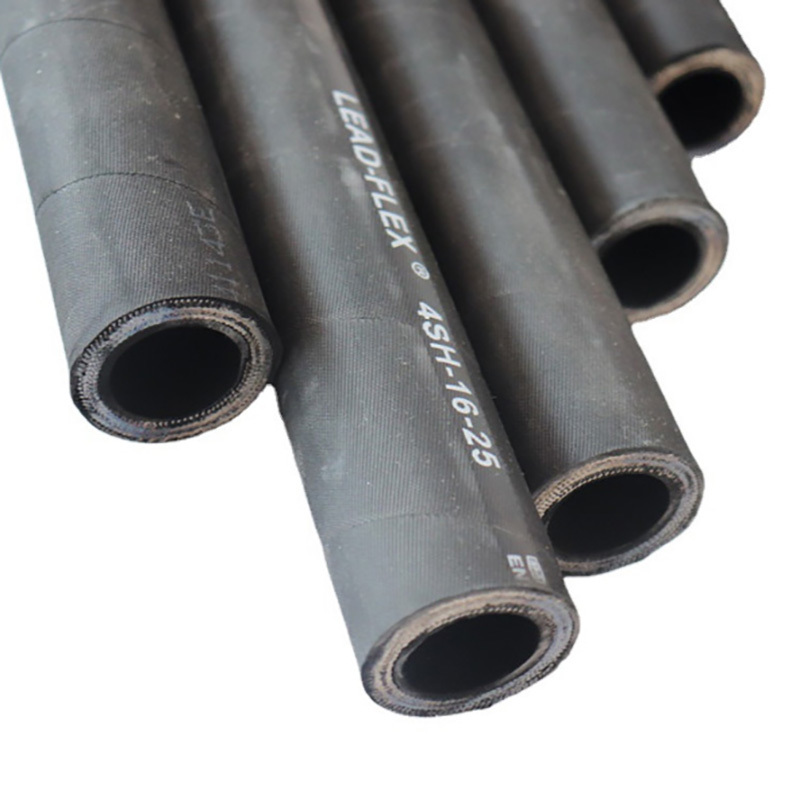
A Comprehensive Guide to Choosing the Right High Pressure Rubber Hose
When it comes to automotive applications, selecting the right high-pressure rubber hose is crucial. The right hose not only enhances performance but also ensures safety and longevity. In this comprehensive guide, we will explore the various factors to consider when choosing a high-pressure rubber hose, the types available, key specifications, applications, and maintenance tips. Whether you are a DIY enthusiast or a professional, this guide will equip you with the knowledge you need to make informed decisions.
Table of Contents
- Understanding High Pressure Rubber Hoses
- Key Factors to Consider When Choosing a Hose
- Types of High Pressure Rubber Hoses
- Critical Specifications to Evaluate
- Common Applications of High Pressure Hoses
- Maintenance of High Pressure Rubber Hoses
- Troubleshooting Common Issues
- FAQs
- Conclusion
Understanding High Pressure Rubber Hoses
High pressure rubber hoses are designed to handle demanding applications that require the transport of fluids or gases under high pressure. These hoses are typically crafted from durable rubber compounds that can withstand high temperatures and pressures. They are widely used in various sectors, including automotive, industrial, and hydraulic applications.
Key Factors to Consider When Choosing a Hose
Choosing the right high-pressure rubber hose involves several important factors:
1. Pressure Rating
The pressure rating of a hose indicates the maximum pressure it can safely handle. It is crucial to select a hose with a pressure rating that exceeds the highest pressure in your application to prevent failures.
2. Temperature Resistance
Different applications expose hoses to varying temperatures. It is vital to choose a hose that can withstand the temperature fluctuations of your environment, ensuring durability and safety.
3. Chemical Compatibility
Consider the fluids or gases that will pass through the hose. Rubber hoses may degrade when exposed to certain chemicals. Always check the chemical compatibility of the hose material with the substances it will carry.
4. Hose Diameter
The inner diameter of the hose affects flow rate and pressure drop. Ensure that the diameter meets your application's requirements to maintain optimal performance.
5. Length of the Hose
Choose a hose length that suits your specific application. Longer hoses can lead to pressure loss, while shorter hoses may not reach necessary connections.
Types of High Pressure Rubber Hoses
High pressure rubber hoses come in various types, each designed for specific applications:
1. Hydraulic Hoses
Hydraulic hoses are used in applications that require the transmission of hydraulic fluid. They are commonly used in construction machinery, agricultural equipment, and automotive systems.
2. Air Hoses
These hoses are specifically designed for the transfer of compressed air. They are often used in pneumatic tools and systems.
3. Chemical Hoses
Chemical hoses are constructed from materials that can withstand corrosive substances. They are ideal for transferring chemicals, acids, and solvents safely.
4. Water Hoses
Water hoses are used for various applications, including irrigation, cooling systems, and general fluid transfer.
Critical Specifications to Evaluate
When evaluating high-pressure rubber hoses, consider the following specifications:
1. Burst Pressure
The burst pressure is the maximum pressure a hose can withstand before bursting. A higher burst pressure indicates better safety margins and durability.
2. Working Pressure
The working pressure is the safe operating pressure for the hose during typical use. Always ensure that the working pressure aligns with your application needs.
3. Minimum Bend Radius
This specification indicates the smallest radius the hose can be bent without damaging it. Exceeding this radius can lead to kinking and reduced performance.
4. Reinforcement Layers
Hoses may contain reinforcement layers, such as wire braiding or textile, to enhance strength and flexibility. Consider the type of reinforcement based on your application requirements.
Common Applications of High Pressure Hoses
High-pressure rubber hoses are utilized in a variety of sectors:
1. Automotive Industry
In the automotive industry, high-pressure hoses are essential for coolant systems, fuel lines, and hydraulic systems, ensuring proper functionality and safety.
2. Manufacturing and Industrial Applications
Manufacturing and industrial sectors frequently use high-pressure hoses for hydraulic machinery, assembly lines, and fluid transfer systems.
3. Agriculture
Agricultural equipment relies on high-pressure hoses for irrigation systems and fluid transfer, enhancing efficiency and productivity.
4. Construction
Construction sites utilize high-pressure hoses for hydraulic equipment, enabling the operation of heavy machinery.
Maintenance of High Pressure Rubber Hoses
Proper maintenance is crucial for extending the life of high-pressure rubber hoses:
1. Regular Inspections
Conduct regular visual inspections for signs of wear, cracks, or bulges. Early detection can prevent failures and ensure safety.
2. Clean and Store Properly
Clean hoses regularly to remove dirt and debris. Store them in a cool, dry place, avoiding exposure to direct sunlight and extreme temperatures.
3. Avoid Kinking and Twisting
Ensure that hoses are not kinked or twisted during use, as this can lead to pressure loss and potential damage.
4. Replace Worn Hoses Promptly
Always replace hoses that show signs of significant wear or damage. Ignoring these issues can lead to catastrophic failures.
Troubleshooting Common Issues
Identifying and addressing common issues with high-pressure rubber hoses can maintain optimal performance:
1. Hose Leaks
Leaks can occur due to wear or improper connections. Inspect fittings and seals for damage and replace as needed.
2. Pressure Drops
A sudden drop in pressure may indicate blockages or kinks. Check the hose and connections for obstructions.
3. Abrasion and Wear
Examine hoses for abrasions caused by friction with other surfaces. Use protective covers when necessary to prevent damage.
FAQs
1. What is the average lifespan of a high-pressure rubber hose?
The lifespan varies depending on usage, conditions, and maintenance but generally ranges from 5 to 10 years.
2. Can I use a high-pressure rubber hose for chemicals?
Yes, but ensure that the hose is specifically designed for chemical compatibility to prevent degradation.
3. How do I know what diameter hose to choose?
Select a diameter based on your flow rate requirements and the specifications of your system.
4. What should I do if my hose bursts?
Immediately discontinue use, isolate the system, and replace the hose. Inspect the entire system for causes of the failure.
5. Are all high-pressure hoses the same?
No, high-pressure hoses vary in material, pressure ratings, and application suitability. Always choose the right type for your specific needs.
Conclusion
Choosing the right high-pressure rubber hose is a critical decision that impacts safety, performance, and efficiency. By understanding the various factors such as pressure ratings, temperature resistance, and chemical compatibility, you can select the ideal hose for your needs. Regular maintenance and proper troubleshooting will ensure that your high-pressure rubber hose continues to perform optimally. Equip yourself with the knowledge presented in this guide, and make informed choices that enhance your automotive and industrial applications.

Contact Us
Phone/WhatsApp
Address
Fotai, Duqiao Town, Jing County, Hengshui City, Hebei Province, China
Your One Stop, One Solution!
Each optimal solution is determined by its particular application requirements, design, and installation parameters combined with our experience and know-how on rubber hose technology.
CONTACT US
E-Mail: andy@ydhose.com
Tel.:+86-18732861678
WhatsApp:+8613676932567
Address:Fotai, Duqiao Town, Jing County, Hengshui City, Hebei Province, China


