
Understanding Hydraulic Support Hoses: Essential Components in Automotive Applications
Mar 23,2026
Hydraulic support hoses play a crucial role in various automotive applications, particularly in systems requiring the transfer of fluids under high pressure. These hoses are specifically designed to withstand the rigors of hydraulic systems, ensuring the effective delivery of fluids necessary for the operation of machinery and vehicle components.
At its core, a hydraulic support hose is constructe
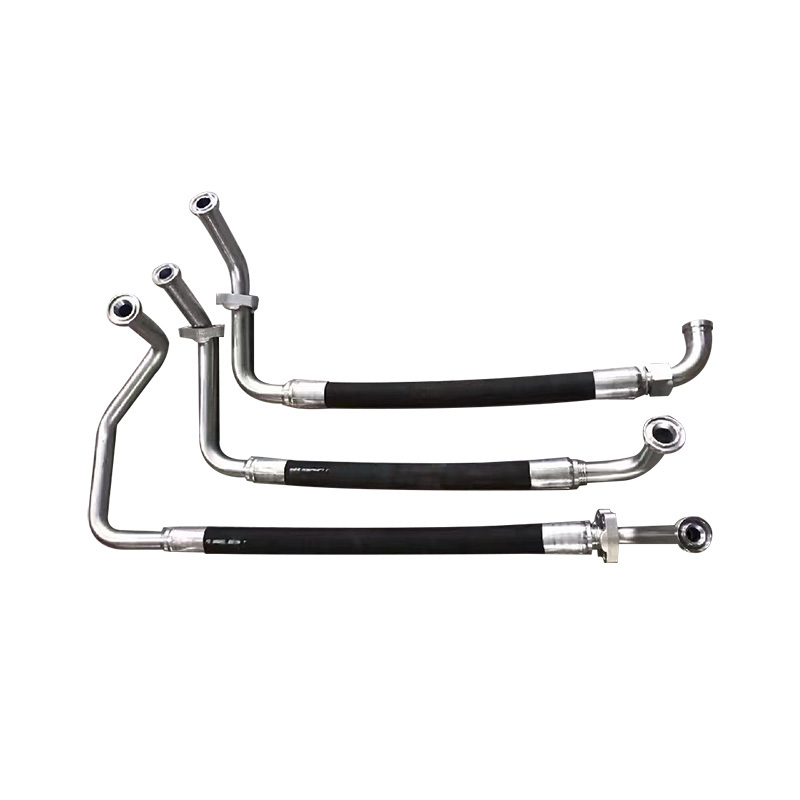
Hydraulic support hoses play a crucial role in various automotive applications, particularly in systems requiring the transfer of fluids under high pressure. These hoses are specifically designed to withstand the rigors of hydraulic systems, ensuring the effective delivery of fluids necessary for the operation of machinery and vehicle components.
At its core, a hydraulic support hose is constructed from durable materials that provide resistance to heat, abrasion, and various chemicals. The typical composition includes a reinforced rubber or synthetic rubber exterior that enhances flexibility and strength, along with an inner lining that is engineered to handle high-pressure fluids. This unique construction enables hydraulic hoses to maintain their integrity under demanding conditions, such as extreme temperatures and fluctuating pressure levels.
One of the primary functions of hydraulic support hoses is to facilitate the transmission of hydraulic fluid from one component to another within a vehicle's hydraulic system. This fluid transfer is essential for systems like power steering, brake assist, and even suspension components. A failure in the hydraulic hose could lead to fluid leaks, resulting in a loss of pressure and potentially compromising vehicle safety.
In addition to their primary function of fluid transfer, hydraulic support hoses also serve to dampen vibrations and absorb shocks, thereby protecting connected components from damage. This not only extends the lifespan of the automotive system but also enhances overall vehicle performance and comfort.
To ensure that hydraulic support hoses perform effectively, regular inspection and maintenance are essential. Automotive professionals should look for signs of wear, such as cracks, bulges, or signs of leaking fluid. It is also vital to check the connections to ensure they are secure, as loose fittings can lead to pressure loss and system inefficiencies.
Moreover, selecting the correct hydraulic support hose for a particular application is crucial. Factors such as temperature range, fluid compatibility, and pressure ratings need to be considered to prevent premature failure of the hose. Manufacturers often provide specifications that detail the suitability of their hoses for specific types of hydraulic fluids and operating conditions.
In conclusion, hydraulic support hoses are indispensable components in the automotive sector, responsible for efficient fluid transfer and overall system performance. Understanding their construction, functions, and maintenance requirements can help automotive professionals ensure that vehicles operate safely and efficiently. By prioritizing the integrity of hydraulic support hoses, operators can not only enhance vehicle performance but also extend the service life of critical automotive components.
At its core, a hydraulic support hose is constructed from durable materials that provide resistance to heat, abrasion, and various chemicals. The typical composition includes a reinforced rubber or synthetic rubber exterior that enhances flexibility and strength, along with an inner lining that is engineered to handle high-pressure fluids. This unique construction enables hydraulic hoses to maintain their integrity under demanding conditions, such as extreme temperatures and fluctuating pressure levels.
One of the primary functions of hydraulic support hoses is to facilitate the transmission of hydraulic fluid from one component to another within a vehicle's hydraulic system. This fluid transfer is essential for systems like power steering, brake assist, and even suspension components. A failure in the hydraulic hose could lead to fluid leaks, resulting in a loss of pressure and potentially compromising vehicle safety.
In addition to their primary function of fluid transfer, hydraulic support hoses also serve to dampen vibrations and absorb shocks, thereby protecting connected components from damage. This not only extends the lifespan of the automotive system but also enhances overall vehicle performance and comfort.
To ensure that hydraulic support hoses perform effectively, regular inspection and maintenance are essential. Automotive professionals should look for signs of wear, such as cracks, bulges, or signs of leaking fluid. It is also vital to check the connections to ensure they are secure, as loose fittings can lead to pressure loss and system inefficiencies.
Moreover, selecting the correct hydraulic support hose for a particular application is crucial. Factors such as temperature range, fluid compatibility, and pressure ratings need to be considered to prevent premature failure of the hose. Manufacturers often provide specifications that detail the suitability of their hoses for specific types of hydraulic fluids and operating conditions.
In conclusion, hydraulic support hoses are indispensable components in the automotive sector, responsible for efficient fluid transfer and overall system performance. Understanding their construction, functions, and maintenance requirements can help automotive professionals ensure that vehicles operate safely and efficiently. By prioritizing the integrity of hydraulic support hoses, operators can not only enhance vehicle performance but also extend the service life of critical automotive components.
TAG:
PREVIOUS:

Contact Us
Phone/WhatsApp
Address
Fotai, Duqiao Town, Jing County, Hengshui City, Hebei Province, China
Your One Stop, One Solution!
Each optimal solution is determined by its particular application requirements, design, and installation parameters combined with our experience and know-how on rubber hose technology.
CONTACT US
E-Mail: andy@ydhose.com
Tel.:+86-18732861678
WhatsApp:+8613676932567
Address:Fotai, Duqiao Town, Jing County, Hengshui City, Hebei Province, China


