
Exploring the Benefits of Using Acid Resistant Rubber Hoses in Your Vehicle
Mar 22,2026
Exploring the Benefits of Using Acid Resistant Rubber Hoses in Your Vehicle
Table of Contents
- 1. Introduction to Acid Resistant Rubber Hoses
- 2. The Importance of Quality Hoses in Automotive Applications
- 3. What Are Acid Resistant Rubber Hoses?
- 4. Key Benefits of Acid Resistant Rubber Hoses
- 5. Applications of Acid Resistant Rubber Hoses in Vehicles
- 6. Maintenance Tips for Acid Resistant Rubber Hoses
- 7. Common Issues and Solutions
- 8. Frequently Asked Questions
- 9. Conclusion
1. Introduction to Acid Resistant Rubber Hoses
In the automotive industry, ensuring the reliability and performance of various components is crucial. One essential element that often goes overlooked is the rubber hose used in vehicles. Among the different types of hoses available, **acid-resistant rubber hoses** stand out for their unique properties. These hoses are specifically designed to withstand harsh chemical environments, making them an ideal choice for vehicles that require high durability and resilience.
2. The Importance of Quality Hoses in Automotive Applications
Automobiles are intricate machines that rely on numerous systems working in harmony. Hoses play a critical role in transporting fluids, including fuel, coolant, and hydraulic fluids. The integrity of these hoses directly affects the **overall performance** and safety of the vehicle. High-quality hoses reduce the likelihood of leaks, ensuring that vital fluids remain contained and functional. When selecting hoses, it's essential to consider durability, flexibility, and resistance to chemicals and temperature fluctuations.
3. What Are Acid Resistant Rubber Hoses?
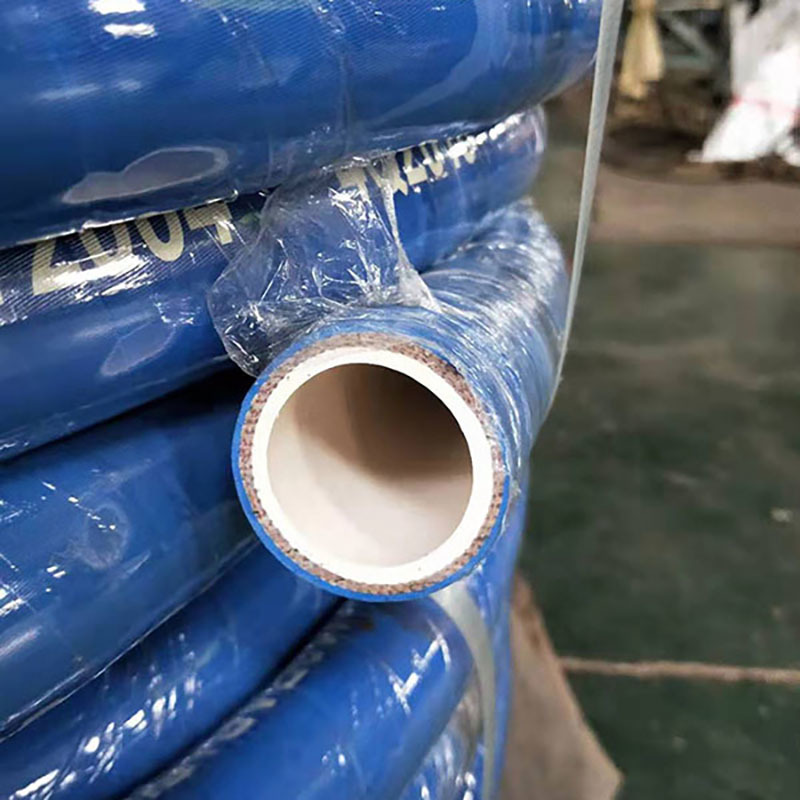
Acid-resistant rubber hoses are specifically engineered to endure exposure to acidic substances without degrading. These hoses are typically made from specialized rubber compounds that provide **enhanced resistance** to a variety of chemicals, including acids, bases, and solvents. The construction of these hoses often includes reinforced layers that contribute to their strength and longevity. By using acid-resistant rubber hoses, vehicle owners can ensure that their systems remain intact, even when subjected to corrosive environments.
4. Key Benefits of Acid Resistant Rubber Hoses
4.1 Enhanced Durability
One of the most significant advantages of acid-resistant rubber hoses is their **durability**. These hoses are designed to withstand the wear and tear of daily use, including exposure to various chemicals and environmental factors. Unlike traditional rubber hoses, which may crack or degrade over time, acid-resistant versions maintain their integrity under challenging conditions.
4.2 Superior Chemical Resistance
Acid-resistant rubber hoses excel in environments where exposure to **corrosive substances** is common. They are engineered to resist damage from acids found in automotive fluids, such as battery acid or coolant. This resistance extends the lifespan of the hoses and prevents costly repairs due to leaks or failures.
4.3 High Temperature Tolerance
In many automotive applications, hoses are subjected to extreme temperatures. Acid-resistant rubber hoses can typically handle a wide range of temperatures, making them suitable for both hot and cold environments. This feature ensures that the hoses remain functional and do not lose their physical properties, even when exposed to high heat from the engine or other components.
4.4 Flexibility and Ease of Installation
Despite their robust construction, acid-resistant rubber hoses are remarkably **flexible**. This flexibility facilitates easy installation, allowing technicians to maneuver hoses into tight spaces without damaging them. Additionally, their lightweight nature reduces the burden on the vehicle's overall weight, enhancing fuel efficiency.
5. Applications of Acid Resistant Rubber Hoses in Vehicles
Acid-resistant rubber hoses are versatile and can be used in various applications within a vehicle. Common uses include:
- **Fuel Systems**: Protecting against corrosive fuel additives.
- **Cooling Systems**: Preventing leaks and deterioration from antifreeze and coolant.
- **Brake Systems**: Ensuring reliability in hydraulic brake lines, which are exposed to brake fluid.
- **Exhaust Systems**: Managing acidic condensates from exhaust gases.
The ability to withstand harsh conditions makes these hoses indispensable for maintaining the performance and safety of a vehicle.
6. Maintenance Tips for Acid Resistant Rubber Hoses
Proper maintenance is vital to prolonging the life of acid-resistant rubber hoses. Here are some tips:
- **Regular Inspections**: Routine checks for cracks, bulges, or leaks help identify issues early.
- **Cleanliness**: Keep the hoses free from dirt and debris, which can cause wear over time.
- **Proper Installation**: Ensure that hoses are installed correctly to avoid kinks or stress points.
- **Temperature Control**: Monitor the operating temperature to prevent overheating, which could compromise hose integrity.
By following these maintenance practices, vehicle owners can ensure their acid-resistant rubber hoses remain in optimal condition.
7. Common Issues and Solutions
Even with the advanced properties of acid-resistant rubber hoses, some issues may arise. Common problems include:
- **Cracking**: Can occur due to prolonged exposure to extreme temperatures. Solution: Regularly inspect and replace hoses that show signs of wear.
- **Leaking**: Can happen if hoses are improperly installed or damaged. Solution: Address leaks immediately by replacing the affected hose.
- **Kinking**: This can restrict fluid flow. Solution: Ensure proper routing and installation to prevent kinks.
By being aware of these potential issues and implementing timely solutions, vehicle owners can maintain the efficiency of their hoses.
8. Frequently Asked Questions
1. How long do acid-resistant rubber hoses typically last?
The lifespan of acid-resistant rubber hoses can vary based on usage and maintenance, but they generally last between 5 to 10 years with proper care.
2. Can I use acid-resistant rubber hoses for non-acidic fluids?
Yes, acid-resistant rubber hoses are versatile and can handle a wide range of fluids, including non-acidic substances.
3. Are acid-resistant rubber hoses more expensive than standard hoses?
While they may be slightly more expensive due to their specialized materials, the durability and longevity often make them a cost-effective choice in the long run.
4. How can I tell if my hoses need to be replaced?
Signs that hoses need replacement include visible cracks, leaks, bulging, or a decrease in performance.
5. Can I install acid-resistant rubber hoses myself?
Yes, with the right tools and instructions, many vehicle owners can successfully install these hoses themselves. However, consulting a professional is recommended for complex systems.
9. Conclusion
In conclusion, **acid-resistant rubber hoses** represent a crucial investment for any vehicle owner seeking to enhance durability, safety, and performance. Their ability to withstand harsh chemical environments, combined with flexibility and temperature tolerance, makes them an excellent choice for various automotive applications. By prioritizing the use of high-quality acid-resistant rubber hoses and adhering to proper maintenance practices, vehicle owners can ensure a smoother driving experience and prolong the life of their vehicles. As the automotive landscape continues to evolve, integrating advanced materials like acid-resistant rubber will remain essential for achieving optimal vehicle performance.

Contact Us
Phone/WhatsApp
Address
Fotai, Duqiao Town, Jing County, Hengshui City, Hebei Province, China
Your One Stop, One Solution!
Each optimal solution is determined by its particular application requirements, design, and installation parameters combined with our experience and know-how on rubber hose technology.
CONTACT US
E-Mail: andy@ydhose.com
Tel.:+86-18732861678
WhatsApp:+8613676932567
Address:Fotai, Duqiao Town, Jing County, Hengshui City, Hebei Province, China


