
Understanding the Benefits and Applications of Oil Resistant Rubber Hoses
Mar 21,2026
Oil resistant rubber hoses play a crucial role in the automotive industry, particularly in applications where exposure to oil and other petroleum-based fluids is common. These specialized hoses are designed to resist degradation caused by oil, ensuring their reliability and longevity in demanding environments. The materials used in the construction of oil resistant rubber hoses typically include s
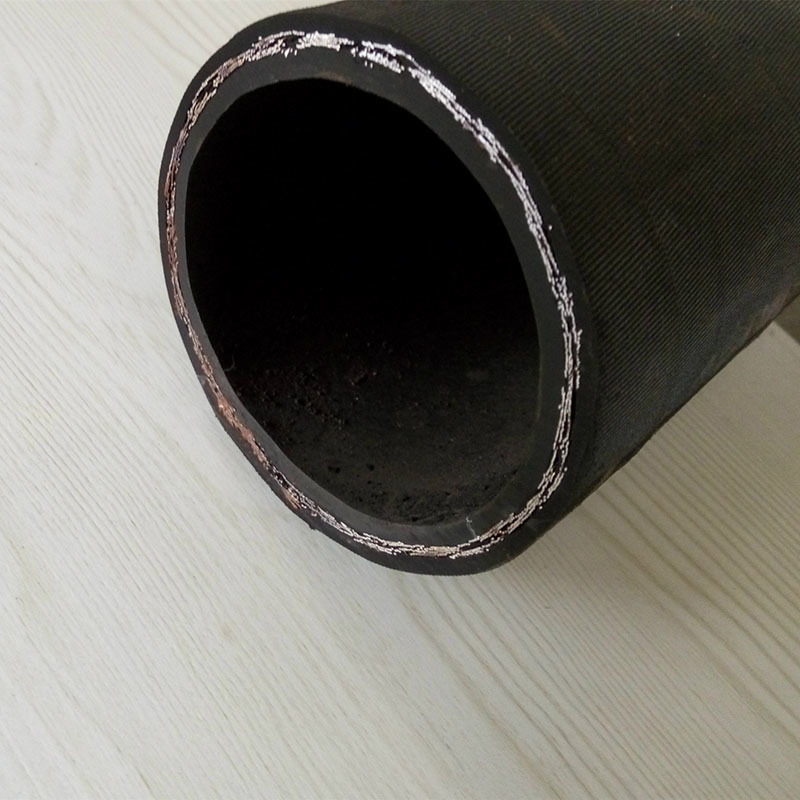
Oil resistant rubber hoses play a crucial role in the automotive industry, particularly in applications where exposure to oil and other petroleum-based fluids is common. These specialized hoses are designed to resist degradation caused by oil, ensuring their reliability and longevity in demanding environments. The materials used in the construction of oil resistant rubber hoses typically include synthetic rubbers such as nitrile rubber (NBR) or hydrogenated nitrile butadiene rubber (HNBR), which offer excellent resistance to oil and other chemicals.
One of the primary benefits of using oil resistant rubber hoses is their ability to maintain structural integrity when exposed to various oil types. This property is essential in automotive applications where hoses transport oil, fuel, and hydraulic fluids. Over time, conventional rubber hoses can swell, soften, or crack when exposed to oil, leading to leaks and system failures. In contrast, oil resistant rubber hoses retain their flexibility and strength, reducing the risk of mechanical failures and ensuring optimal performance.
In addition to their oil resistance, these hoses are also designed to withstand extreme temperatures and pressures, making them suitable for a wide range of applications. For instance, they are commonly used in fuel lines, hydraulic systems, and oil transfer applications within vehicles. Their robust construction not only protects against oil degradation but also ensures that they can handle the high pressures and temperatures generated during operation.
The versatility of oil resistant rubber hoses extends beyond automotive applications. They are also widely used in industrial settings, including manufacturing processes, oil refineries, and construction sites, where they facilitate the safe transfer of various fluids. The ability to customize these hoses in terms of diameter, length, and fitting options further enhances their application range, allowing them to meet specific operational requirements.
When selecting an oil resistant rubber hose, it is essential to consider factors such as the type of oil or fluid being transported, the operating temperature, and the pressure conditions. Proper selection ensures the hose performs effectively and has a long service life. Regular inspection and maintenance are also vital for ensuring the continued performance of these hoses, as environmental factors can lead to wear and tear over time.
In conclusion, oil resistant rubber hoses are indispensable components in the automotive and industrial sectors, providing exceptional resistance to oil and enhancing the reliability of various systems. Their unique properties and versatility make them ideal for a wide range of applications, helping to ensure the safe and efficient transport of fluids in demanding environments. Understanding their advantages and applications can guide professionals in choosing the right solutions for their specific needs.
One of the primary benefits of using oil resistant rubber hoses is their ability to maintain structural integrity when exposed to various oil types. This property is essential in automotive applications where hoses transport oil, fuel, and hydraulic fluids. Over time, conventional rubber hoses can swell, soften, or crack when exposed to oil, leading to leaks and system failures. In contrast, oil resistant rubber hoses retain their flexibility and strength, reducing the risk of mechanical failures and ensuring optimal performance.
In addition to their oil resistance, these hoses are also designed to withstand extreme temperatures and pressures, making them suitable for a wide range of applications. For instance, they are commonly used in fuel lines, hydraulic systems, and oil transfer applications within vehicles. Their robust construction not only protects against oil degradation but also ensures that they can handle the high pressures and temperatures generated during operation.
The versatility of oil resistant rubber hoses extends beyond automotive applications. They are also widely used in industrial settings, including manufacturing processes, oil refineries, and construction sites, where they facilitate the safe transfer of various fluids. The ability to customize these hoses in terms of diameter, length, and fitting options further enhances their application range, allowing them to meet specific operational requirements.
When selecting an oil resistant rubber hose, it is essential to consider factors such as the type of oil or fluid being transported, the operating temperature, and the pressure conditions. Proper selection ensures the hose performs effectively and has a long service life. Regular inspection and maintenance are also vital for ensuring the continued performance of these hoses, as environmental factors can lead to wear and tear over time.
In conclusion, oil resistant rubber hoses are indispensable components in the automotive and industrial sectors, providing exceptional resistance to oil and enhancing the reliability of various systems. Their unique properties and versatility make them ideal for a wide range of applications, helping to ensure the safe and efficient transport of fluids in demanding environments. Understanding their advantages and applications can guide professionals in choosing the right solutions for their specific needs.
TAG:
PREVIOUS:

Contact Us
Phone/WhatsApp
Address
Fotai, Duqiao Town, Jing County, Hengshui City, Hebei Province, China
Your One Stop, One Solution!
Each optimal solution is determined by its particular application requirements, design, and installation parameters combined with our experience and know-how on rubber hose technology.
CONTACT US
E-Mail: andy@ydhose.com
Tel.:+86-18732861678
WhatsApp:+8613676932567
Address:Fotai, Duqiao Town, Jing County, Hengshui City, Hebei Province, China


