
Exploring the Benefits of Wire Reinforced Rubber Hoses in Your Vehicle
Mar 20,2026
Exploring the Benefits of Wire Reinforced Rubber Hoses in Your Vehicle
Table of Contents
1. Introduction to Wire Reinforced Rubber Hoses
2. What Are Wire Reinforced Rubber Hoses?
2.1 Structure and Composition
2.2 Types of Wire Reinforcement
3. Key Benefits of Wire Reinforced Rubber Hoses
3.1 Enhanced Durability and Longevity
3.2 Superior Pressure Resistance
3.3 Flexibility and Be
Exploring the Benefits of Wire Reinforced Rubber Hoses in Your Vehicle
Table of Contents
1. Introduction to Wire Reinforced Rubber Hoses
2. What Are Wire Reinforced Rubber Hoses?
2.1 Structure and Composition
2.2 Types of Wire Reinforcement
3. Key Benefits of Wire Reinforced Rubber Hoses
3.1 Enhanced Durability and Longevity
3.2 Superior Pressure Resistance
3.3 Flexibility and Bend Radius
3.4 Temperature Tolerance
3.5 Resistance to Chemicals and Abrasion
4. Applications of Wire Reinforced Rubber Hoses in Vehicles
5. Selecting the Right Wire Reinforced Rubber Hose
5.1 Choosing the Correct Size
5.2 Evaluating Material Quality
6. Installation and Maintenance Tips
7. Common FAQs About Wire Reinforced Rubber Hoses
8. Conclusion
1. Introduction to Wire Reinforced Rubber Hoses
Wire reinforced rubber hoses have become essential components in modern vehicles. They are specifically engineered to withstand the rigors of automotive applications, providing reliability and performance. Whether you're dealing with coolant transfer, power steering, or fuel delivery, understanding the advantages of these hoses can significantly enhance your vehicle's functionality.
2. What Are Wire Reinforced Rubber Hoses?
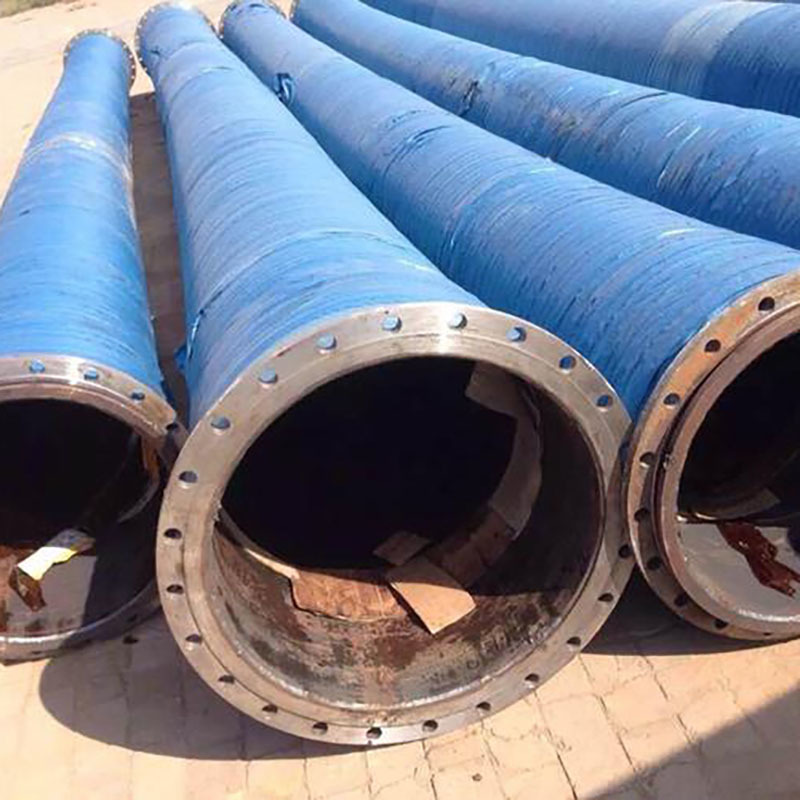
Wire reinforced rubber hoses are flexible tubes made from rubber that is strengthened with embedded wire structures. This reinforcement allows the hoses to maintain their shape and withstand high pressures without bursting or collapsing.
2.1 Structure and Composition
These hoses typically consist of several layers. The inner layer is usually made from synthetic rubber that is resistant to heat and chemicals. The wire reinforcement, often made of steel or other durable materials, provides additional strength. Finally, the outer layer offers protection against environmental factors such as UV rays and ozone.
2.2 Types of Wire Reinforcement
There are various types of wire reinforcement used in these hoses, including spiral, braided, and helical configurations. Each type offers different benefits depending on the intended application, such as flexibility or rigidity.
3. Key Benefits of Wire Reinforced Rubber Hoses
Wire reinforced rubber hoses provide numerous advantages that make them ideal for automotive use. Here are some of the most significant benefits:
3.1 Enhanced Durability and Longevity
The incorporation of wire reinforcement significantly increases the durability of these hoses. They can withstand extreme conditions, including high pressures and temperatures, which contributes to their longevity. This durability reduces the frequency of replacements, saving both time and money in the long run.
3.2 Superior Pressure Resistance
One of the most critical features of wire reinforced rubber hoses is their ability to handle high pressure. Unlike standard rubber hoses, these reinforced versions can maintain structural integrity in applications where pressure fluctuations are common, such as in hydraulic systems.
3.3 Flexibility and Bend Radius
Despite their strength, wire reinforced rubber hoses maintain a level of flexibility that is essential in automotive applications. They can bend easily without kinking, which is crucial for tight spaces under the hood or in various compartments of the vehicle.
3.4 Temperature Tolerance
These hoses are designed to operate in a wide temperature range, making them suitable for both hot and cold applications. This feature is particularly important in vehicles, where engine temperatures can vary drastically.
3.5 Resistance to Chemicals and Abrasion
Wire reinforced rubber hoses are often resistant to a variety of chemicals, including oils, fuels, and coolants. This resistance prevents degradation over time, ensuring that the hoses continue to function effectively. Additionally, their abrasion resistance protects them from wear and tear, especially in high-traffic areas.
4. Applications of Wire Reinforced Rubber Hoses in Vehicles
Wire reinforced rubber hoses have a wide range of applications in vehicles. They are commonly used in:
- **Cooling Systems:** Transporting coolant to maintain optimal engine temperatures.
- **Fuel Systems:** Delivering fuel from the tank to the engine.
- **Power Steering Systems:** Facilitating fluid transfer to assist with steering.
- **Air Intake Systems:** Helping in the delivery of air to the engine for combustion.
These applications highlight the versatility and importance of wire reinforced rubber hoses in vehicle performance.
5. Selecting the Right Wire Reinforced Rubber Hose
When choosing wire reinforced rubber hoses for your vehicle, several factors should be considered to ensure optimal performance.
5.1 Choosing the Correct Size
Selecting the right diameter and length is crucial for proper fluid flow and pressure management. An incorrect size can lead to leaks or system failures.
5.2 Evaluating Material Quality
Not all wire reinforced rubber hoses are created equal. It's essential to evaluate the quality of materials used in their construction. Look for hoses made from high-grade synthetic rubber that meets industry standards.
6. Installation and Maintenance Tips
Proper installation and regular maintenance of wire reinforced rubber hoses are crucial for ensuring their longevity and performance. Here are some tips:
- **Installation:** Ensure that the hose is installed correctly, with secure fittings to prevent leaks. Avoid sharp bends that could compromise the hose structure.
- **Inspection:** Regularly inspect the hoses for signs of wear, such as cracking or abrasions. Early detection of issues can prevent more significant problems later.
- **Cleaning:** Clean the hoses periodically to remove any buildup of debris or fluids, which can cause deterioration over time.
7. Common FAQs About Wire Reinforced Rubber Hoses
What is the lifespan of wire reinforced rubber hoses?
The lifespan can vary, but with proper maintenance, these hoses can last several years, often up to a decade or more.
Are wire reinforced rubber hoses easy to install?
While they can be installed by DIY enthusiasts, it is recommended to consult a professional mechanic to ensure proper fitting and function.
Can wire reinforced rubber hoses be repaired?
In some cases, small leaks can be repaired, but it is usually more effective and safer to replace the hose if significant damage is detected.
What should I look for when buying wire reinforced rubber hoses?
Focus on material quality, size specifications, and the type of wire reinforcement used. Ensure that the hoses meet industry standards.
Are wire reinforced rubber hoses expensive?
While they may have a higher upfront cost compared to standard rubber hoses, their durability and longevity often result in lower overall costs in the long run.
8. Conclusion
Wire reinforced rubber hoses play a vital role in enhancing the performance and reliability of vehicles. Their unique construction allows them to withstand high pressures and temperatures, making them suitable for various automotive applications. By choosing the right hoses and maintaining them properly, vehicle owners can ensure optimal performance and longevity. Investing in high-quality wire reinforced rubber hoses is not just a choice; it's a commitment to safety, efficiency, and durability on the road.
TAG:
PREVIOUS:

Contact Us
Phone/WhatsApp
Address
Fotai, Duqiao Town, Jing County, Hengshui City, Hebei Province, China
Your One Stop, One Solution!
Each optimal solution is determined by its particular application requirements, design, and installation parameters combined with our experience and know-how on rubber hose technology.
CONTACT US
E-Mail: andy@ydhose.com
Tel.:+86-18732861678
WhatsApp:+8613676932567
Address:Fotai, Duqiao Town, Jing County, Hengshui City, Hebei Province, China


