
The Essential Guide to Low Pressure Rubber Hoses in Automotive Applications
Mar 16,2026
Low pressure rubber hoses are integral components in the automotive industry, especially within the realm of automotive accessories and parts. These hoses are designed to handle fluid transportation under low pressure conditions, making them versatile for various applications. Understanding the properties and applications of low pressure rubber hoses is vital for professionals seeking to optimize
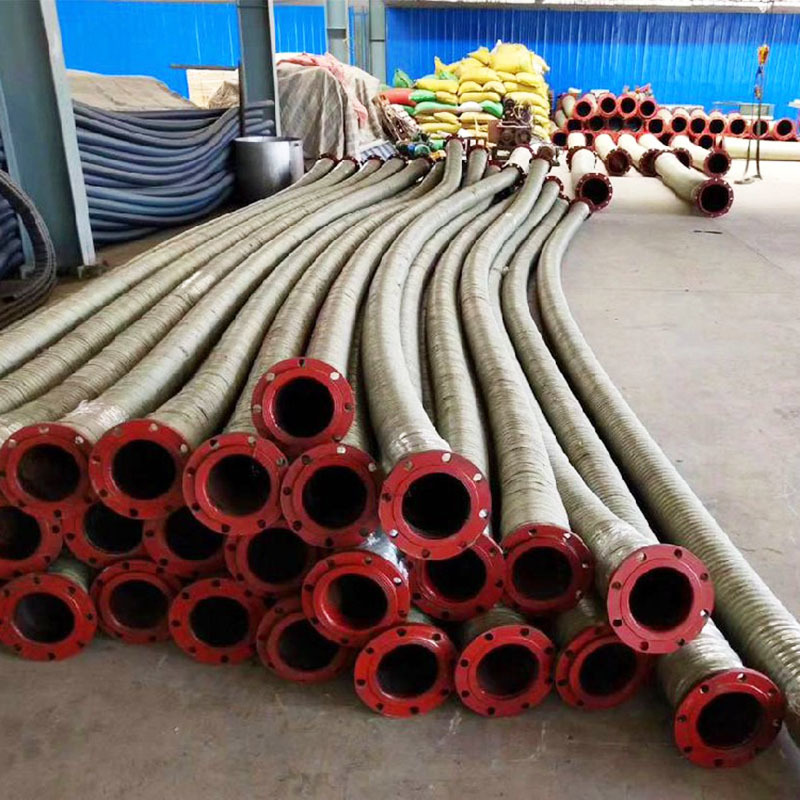
Low pressure rubber hoses are integral components in the automotive industry, especially within the realm of automotive accessories and parts. These hoses are designed to handle fluid transportation under low pressure conditions, making them versatile for various applications. Understanding the properties and applications of low pressure rubber hoses is vital for professionals seeking to optimize vehicle performance and reliability.
The primary function of low pressure rubber hoses is to transport fluids such as coolant, fuel, air, or other substances within the vehicle’s systems. Unlike high-pressure hoses which are designed for more demanding scenarios, low pressure hoses are engineered to maintain flexibility and durability while withstanding the rigors of daily automotive use. The materials used in these hoses typically include synthetic rubbers, which offer excellent resistance to temperature fluctuations and chemical exposure.
One of the key advantages of low pressure rubber hoses is their flexibility. This flexibility allows them to be routed through tight spaces in the engine compartment or chassis, accommodating the intricate designs of modern vehicles. Additionally, low pressure rubber hoses can absorb vibrations and movement, which helps protect them from wear and tear over time. This characteristic is particularly beneficial in automotive applications where engine vibration is prevalent.
When selecting a low pressure rubber hose, it is essential to consider several factors. Firstly, the temperature range in which the hose will operate is crucial. Rubber hoses can be formulated to withstand varying temperature extremes, ensuring that they do not degrade prematurely in hot or cold environments. Secondly, the chemical compatibility of the hose material with the fluids it will carry must be assessed to prevent corrosive damage.
Another consideration is the hose’s diameter and length. Proper sizing is critical to maintain optimal flow rates and prevent issues such as kinking or collapsing under pressure. Additionally, installation methods, including the use of clamps and fittings, must be evaluated to ensure a secure connection that minimizes the risk of leaks.
In conclusion, low pressure rubber hoses play a significant role in the functionality and performance of automotive systems. Their ability to transport various fluids under low pressure while maintaining flexibility and durability makes them a reliable choice for many applications. By understanding the properties and selection criteria for low pressure rubber hoses, automotive professionals can ensure the longevity and efficiency of their vehicle systems, ultimately leading to enhanced performance and customer satisfaction.
The primary function of low pressure rubber hoses is to transport fluids such as coolant, fuel, air, or other substances within the vehicle’s systems. Unlike high-pressure hoses which are designed for more demanding scenarios, low pressure hoses are engineered to maintain flexibility and durability while withstanding the rigors of daily automotive use. The materials used in these hoses typically include synthetic rubbers, which offer excellent resistance to temperature fluctuations and chemical exposure.
One of the key advantages of low pressure rubber hoses is their flexibility. This flexibility allows them to be routed through tight spaces in the engine compartment or chassis, accommodating the intricate designs of modern vehicles. Additionally, low pressure rubber hoses can absorb vibrations and movement, which helps protect them from wear and tear over time. This characteristic is particularly beneficial in automotive applications where engine vibration is prevalent.
When selecting a low pressure rubber hose, it is essential to consider several factors. Firstly, the temperature range in which the hose will operate is crucial. Rubber hoses can be formulated to withstand varying temperature extremes, ensuring that they do not degrade prematurely in hot or cold environments. Secondly, the chemical compatibility of the hose material with the fluids it will carry must be assessed to prevent corrosive damage.
Another consideration is the hose’s diameter and length. Proper sizing is critical to maintain optimal flow rates and prevent issues such as kinking or collapsing under pressure. Additionally, installation methods, including the use of clamps and fittings, must be evaluated to ensure a secure connection that minimizes the risk of leaks.
In conclusion, low pressure rubber hoses play a significant role in the functionality and performance of automotive systems. Their ability to transport various fluids under low pressure while maintaining flexibility and durability makes them a reliable choice for many applications. By understanding the properties and selection criteria for low pressure rubber hoses, automotive professionals can ensure the longevity and efficiency of their vehicle systems, ultimately leading to enhanced performance and customer satisfaction.
TAG:
PREVIOUS:

Contact Us
Phone/WhatsApp
Address
Fotai, Duqiao Town, Jing County, Hengshui City, Hebei Province, China
Your One Stop, One Solution!
Each optimal solution is determined by its particular application requirements, design, and installation parameters combined with our experience and know-how on rubber hose technology.
CONTACT US
E-Mail: andy@ydhose.com
Tel.:+86-18732861678
WhatsApp:+8613676932567
Address:Fotai, Duqiao Town, Jing County, Hengshui City, Hebei Province, China


