
Top Features to Look for in High Pressure Rubber Hoses for Automotive Applications
Mar 15,2026
Top Features to Look for in High Pressure Rubber Hoses for Automotive Applications
Understanding High Pressure Rubber Hoses
High pressure rubber hoses are vital components in automotive applications, playing a crucial role in the efficient operation of vehicles. They are designed to withstand significant pressure while maintaining flexibility and durability. When choosing high pressure rubber ho
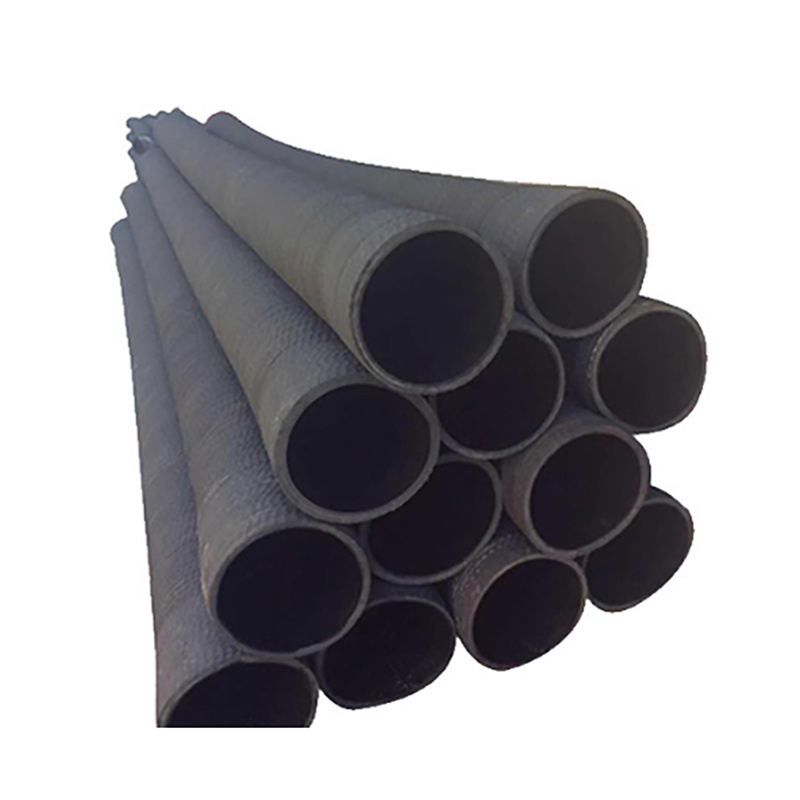
Top Features to Look for in High Pressure Rubber Hoses for Automotive Applications
Understanding High Pressure Rubber Hoses
High pressure rubber hoses are vital components in automotive applications, playing a crucial role in the efficient operation of vehicles. They are designed to withstand significant pressure while maintaining flexibility and durability. When choosing high pressure rubber hoses, it is essential to understand their design, materials, and the specific features that enhance performance.
Why High Pressure Rubber Hoses Matter in Automotive Applications
In the automotive industry, the demand for reliable and durable components continues to grow. High pressure rubber hoses are integral to fluid transfer systems, including fuel lines, brake systems, and coolant systems. These hoses must endure high pressure, fluctuating temperatures, and exposure to various chemicals. Choosing the right hoses is crucial for vehicle safety and performance.
Key Features to Consider When Selecting High Pressure Rubber Hoses
1. Material Composition
The material of a high pressure rubber hose significantly impacts its performance and durability. Look for hoses made from high-quality synthetic rubber compounds that are resistant to wear and tear. Common materials include:
- **Nitrile rubber (NBR)**: Offers excellent resistance to oil and fuel.
- **EPDM (Ethylene Propylene Diene Monomer)**: Resistant to heat, ozone, and weathering.
- **Neoprene**: Provides excellent abrasion resistance and flexibility.
Choosing hoses made from these materials ensures longevity and reliable performance in various conditions.
2. Pressure Rating
The pressure rating of a hose is a crucial factor in its selection. High pressure rubber hoses are typically rated in PSI (pounds per square inch). When selecting a hose, ensure its pressure rating exceeds the maximum operating pressure of the application. This additional margin of safety mitigates the risk of hose failure and ensures reliable operation.
3. Temperature Resistance
Automotive applications often involve exposure to extreme temperatures, both hot and cold. A high pressure rubber hose must be able to withstand these variations without degrading. Look for hoses with specified temperature ranges that fit your application. For instance, hoses used in coolant systems should have good resistance to high temperatures, while those used in fuel applications need to perform well in varying conditions.
4. Flexibility and Bend Radius
Flexibility is vital for high pressure rubber hoses, especially in confined engine compartments where space is limited. The bend radius refers to the tightness of the curve the hose can handle without kinking. A hose that bends easily without compromising its integrity will be easier to install and less likely to fail. Ensure the selected hose has a suitable bend radius for your application.
5. Abrasion and Chemical Resistance
Automotive environments expose hoses to various chemicals and abrasives. Selecting hoses with high abrasion and chemical resistance is crucial. Look for hoses that meet specific industry standards for resistance to oils, fuels, and other automotive fluids. This ensures that the hose can withstand the harsh conditions it will face in service.
6. Reinforcement and Construction
The construction of a high pressure rubber hose often includes reinforcement layers to enhance strength and durability. Common reinforcement materials include textile braids and steel wire. These layers provide additional strength, allowing the hose to withstand higher pressures without bursting. Assess the construction of the hose to ensure it meets your application’s demands.
7. Couplings and Fittings Compatibility
Compatibility with couplings and fittings is another critical aspect of selecting high pressure rubber hoses. Ensure the hose ends are compatible with the fittings used in your vehicle. Properly fitted hoses reduce the risk of leaks and ensure efficient fluid transfer. Check the manufacturers' specifications for coupling options to ensure a secure connection.
8. Certifications and Standards Compliance
Always check for certifications and compliance with industry standards when selecting high pressure rubber hoses. Look for hoses that meet or exceed standards set by organizations such as SAE (Society of Automotive Engineers) or ISO (International Organization for Standardization). These certifications ensure that the hose has been tested for quality and performance.
Common Applications for High Pressure Rubber Hoses in Automotive Use
High pressure rubber hoses serve various functions in automotive applications. Understanding these applications can help in selecting the right hose for your needs.
1. Fuel Transfer Systems
High pressure rubber hoses are essential for transferring fuel from the tank to the engine. They must resist the corrosive effects of fuel and withstand the pressure generated during operation. Choosing a hose with excellent chemical resistance ensures safe and efficient fuel delivery.
2. Brake Systems
In automotive brake systems, high pressure rubber hoses connect the brake pedal to the braking mechanism. These hoses must handle the high pressure generated during braking without failure. Selecting hoses with a high pressure rating and excellent flexibility is vital for safety.
3. Cooling Systems
Cooling systems rely on high pressure rubber hoses to circulate coolant throughout the engine. These hoses must resist temperature fluctuations and chemical degradation. Ensuring the selected hose meets the necessary temperature and pressure ratings is crucial for maintaining optimal engine performance.
4. Hydraulic Systems
Many vehicles use hydraulic systems for steering and other functions. High pressure rubber hoses are essential in these systems, requiring robust construction to handle high pressures and resistance to hydraulic fluids. Proper selection of hoses can prevent leaks and ensure effective operation.
Maintenance Tips for High Pressure Rubber Hoses
To extend the life of high pressure rubber hoses, regular maintenance is essential. Here are some tips:
1. Regular Inspections
Conduct regular inspections of hoses for signs of wear, cracks, or leaks. Early detection of issues can prevent failures and costly repairs.
2. Keep Hoses Clean
Dirt and contaminants can accelerate the wear of hoses. Regularly clean hoses to remove debris and keep them in good condition.
3. Check for Proper Installation
Ensure hoses are installed correctly, with proper fittings and couplings. Incorrect installation can lead to leaks and failures.
4. Monitor Operating Conditions
Regularly monitor the operating temperature and pressure conditions. If conditions exceed the hose's specifications, consider upgrading to a hose with a higher rating.
5. Replace Worn Hoses Promptly
If a hose shows signs of wear or damage, replace it promptly. Using worn hoses can compromise vehicle safety and performance.
Frequently Asked Questions (FAQs)
1. What are high pressure rubber hoses used for in cars?
High pressure rubber hoses are commonly used for fuel transfer, brake systems, cooling systems, and hydraulic applications in vehicles.
2. How do I know if my rubber hose is high pressure?
Check the hose specifications, which should indicate its pressure rating. High pressure hoses typically have ratings above 300 PSI.
3. Can I use regular rubber hoses for high-pressure applications?
No, regular rubber hoses may not withstand the pressure required in high-pressure applications and can lead to failures.
4. What maintenance do high pressure rubber hoses require?
Regular inspections for wear, keeping them clean, checking installation, and monitoring operating conditions are essential for hose maintenance.
5. How often should I replace high pressure rubber hoses?
Replace high pressure rubber hoses based on manufacturer recommendations or if they show signs of wear or damage.
Conclusion
Selecting high pressure rubber hoses for automotive applications requires careful consideration of various factors such as material composition, pressure rating, temperature resistance, and compatibility with fittings. Understanding the key features will empower you to make informed decisions that enhance vehicle performance, safety, and longevity. By investing in high-quality hoses and adhering to maintenance best practices, you ensure your vehicle remains reliable and efficient on the road.
TAG:
PREVIOUS:

Contact Us
Phone/WhatsApp
Address
Fotai, Duqiao Town, Jing County, Hengshui City, Hebei Province, China
Your One Stop, One Solution!
Each optimal solution is determined by its particular application requirements, design, and installation parameters combined with our experience and know-how on rubber hose technology.
CONTACT US
E-Mail: andy@ydhose.com
Tel.:+86-18732861678
WhatsApp:+8613676932567
Address:Fotai, Duqiao Town, Jing County, Hengshui City, Hebei Province, China


