
Understanding Low Pressure Rubber Hoses: Essential Knowledge for Automotive Applications
Mar 06,2026
Low pressure rubber hoses are designed to transport liquids and gases within a vehicle's system at lower pressures than their high-pressure counterparts. Typically made from durable rubber compounds, these hoses offer flexibility, resistance to wear and tear, and the ability to withstand various environmental conditions. Their construction often includes reinforcement materials, which enhance thei
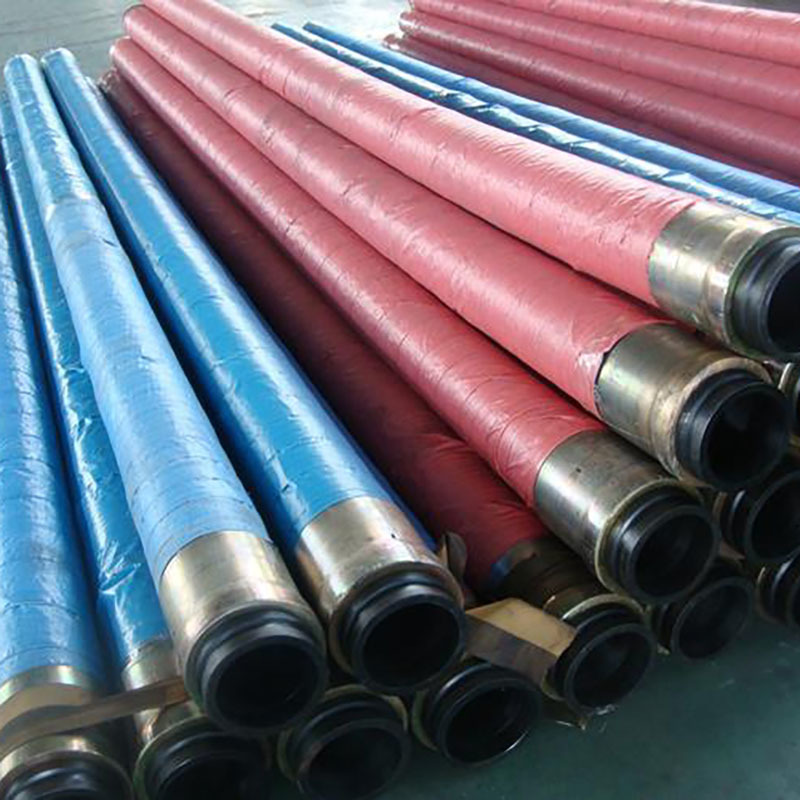
Low pressure rubber hoses are designed to transport liquids and gases within a vehicle's system at lower pressures than their high-pressure counterparts. Typically made from durable rubber compounds, these hoses offer flexibility, resistance to wear and tear, and the ability to withstand various environmental conditions. Their construction often includes reinforcement materials, which enhance their strength and durability, making them suitable for a range of automotive applications.
One of the primary advantages of low pressure rubber hoses is their versatility. They can be used in various systems, including coolant lines, fuel systems, and air conditioning units. For instance, in a vehicle's cooling system, these hoses facilitate the transfer of coolant between the engine and the radiator, helping to maintain an optimal operating temperature. Similarly, in fuel delivery systems, they ensure that gasoline or diesel flows efficiently from the tank to the engine.
Moreover, low pressure rubber hoses are designed to be lightweight, which contributes to the overall fuel efficiency of vehicles. A lighter hose reduces the overall weight of the vehicle, enabling better performance and improved mileage. Additionally, the flexibility of these hoses makes them easier to install and route within the confined spaces of an automobile, thereby simplifying the assembly process during manufacturing.
When selecting low pressure rubber hoses for automotive applications, several factors should be considered. Compatibility with the fluids they will transport is paramount; hoses must be resistant to chemicals, oils, and heat associated with the specific applications. Furthermore, the hose's temperature rating is crucial, as exposure to extreme temperatures can lead to degradation and failure over time.
Maintenance of low pressure rubber hoses is essential for ensuring long-lasting performance. Regular inspections for signs of wear, such as cracks or leaks, can help prevent unexpected failures. Replacing hoses at the first sign of damage can save vehicle owners from more significant issues down the line, including potential engine overheating or fuel system failures.
In conclusion, low pressure rubber hoses are indispensable components in the automotive industry, contributing significantly to the efficiency and functionality of vehicles. Their versatility, durability, and lightweight properties make them ideal for various applications, from cooling systems to fuel lines. Understanding their role and maintaining them properly can lead to improved vehicle performance and longevity, making them a vital focus for car enthusiasts and professionals alike.
One of the primary advantages of low pressure rubber hoses is their versatility. They can be used in various systems, including coolant lines, fuel systems, and air conditioning units. For instance, in a vehicle's cooling system, these hoses facilitate the transfer of coolant between the engine and the radiator, helping to maintain an optimal operating temperature. Similarly, in fuel delivery systems, they ensure that gasoline or diesel flows efficiently from the tank to the engine.
Moreover, low pressure rubber hoses are designed to be lightweight, which contributes to the overall fuel efficiency of vehicles. A lighter hose reduces the overall weight of the vehicle, enabling better performance and improved mileage. Additionally, the flexibility of these hoses makes them easier to install and route within the confined spaces of an automobile, thereby simplifying the assembly process during manufacturing.
When selecting low pressure rubber hoses for automotive applications, several factors should be considered. Compatibility with the fluids they will transport is paramount; hoses must be resistant to chemicals, oils, and heat associated with the specific applications. Furthermore, the hose's temperature rating is crucial, as exposure to extreme temperatures can lead to degradation and failure over time.
Maintenance of low pressure rubber hoses is essential for ensuring long-lasting performance. Regular inspections for signs of wear, such as cracks or leaks, can help prevent unexpected failures. Replacing hoses at the first sign of damage can save vehicle owners from more significant issues down the line, including potential engine overheating or fuel system failures.
In conclusion, low pressure rubber hoses are indispensable components in the automotive industry, contributing significantly to the efficiency and functionality of vehicles. Their versatility, durability, and lightweight properties make them ideal for various applications, from cooling systems to fuel lines. Understanding their role and maintaining them properly can lead to improved vehicle performance and longevity, making them a vital focus for car enthusiasts and professionals alike.
TAG:

Contact Us
Phone/WhatsApp
Address
Fotai, Duqiao Town, Jing County, Hengshui City, Hebei Province, China
Your One Stop, One Solution!
Each optimal solution is determined by its particular application requirements, design, and installation parameters combined with our experience and know-how on rubber hose technology.
CONTACT US
E-Mail: andy@ydhose.com
Tel.:+86-18732861678
WhatsApp:+8613676932567
Address:Fotai, Duqiao Town, Jing County, Hengshui City, Hebei Province, China


