
Exploring Benefits: Why High Pressure Rubber Hoses Are Essential for Your Vehicle
Mar 05,2026
Exploring Benefits: Why High Pressure Rubber Hoses Are Essential for Your Vehicle
Table of Contents
- Introduction
- What Are High Pressure Rubber Hoses?
- Benefits of High Pressure Rubber Hoses
- Durability and Longevity
- Flexibility and Versatility
- Resistance to Chemicals and Temperature
- Common Applications of High Pressure Rubber Hoses in Vehicles
- How to Choose the Right High
Exploring Benefits: Why High Pressure Rubber Hoses Are Essential for Your Vehicle
Table of Contents
- Introduction
- What Are High Pressure Rubber Hoses?
- Benefits of High Pressure Rubber Hoses
- Durability and Longevity
- Flexibility and Versatility
- Resistance to Chemicals and Temperature
- Common Applications of High Pressure Rubber Hoses in Vehicles
- How to Choose the Right High Pressure Hose for Your Vehicle
- Maintenance Tips for High Pressure Hoses
- Frequently Asked Questions
- Conclusion
Introduction
In the world of automotive engineering, the importance of **high-pressure rubber hoses** cannot be overstated. As vehicles continue to evolve and their engines become more sophisticated, the components that support these systems must also adapt. High-pressure rubber hoses play a pivotal role in ensuring that various systems within a vehicle operate seamlessly. From cooling systems to fuel delivery, these hoses are essential for maintaining the performance and safety of your vehicle. In this article, we will explore the myriad benefits of high-pressure rubber hoses, their applications, and tips for proper maintenance.
What Are High Pressure Rubber Hoses?
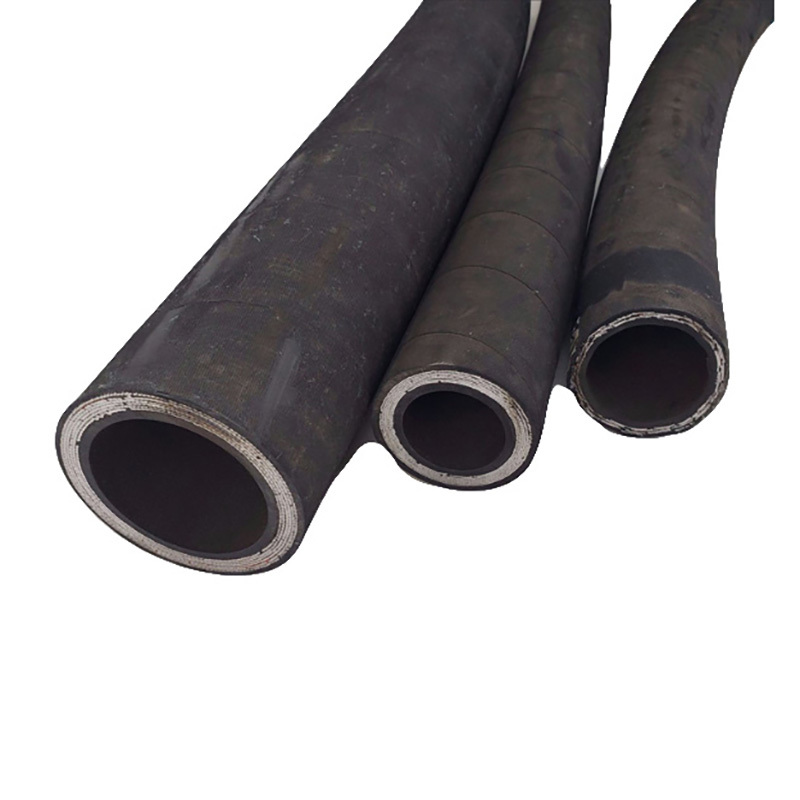
High-pressure rubber hoses are specially designed tubes that carry fluids and gases under high pressure within vehicles. Made from durable rubber compounds, these hoses are engineered to withstand extreme conditions while providing flexibility and reliability. They are utilized in various systems, including:
- **Fuel delivery systems**
- **Cooling systems**
- **Brake lines**
- **Hydraulic systems**
Their ability to handle high pressure makes them a critical component in ensuring that your vehicle operates safely and efficiently.
Benefits of High Pressure Rubber Hoses
Understanding the benefits of high-pressure rubber hoses is crucial for vehicle owners and enthusiasts alike. These hoses offer several advantages that contribute to the overall performance and reliability of your vehicle.
Durability and Longevity
One of the standout features of high-pressure rubber hoses is their durability. Constructed from advanced rubber materials, these hoses can withstand the rigors of daily driving, including exposure to harsh weather conditions, road debris, and engine vibrations. Unlike inferior hoses that may wear out quickly, high-pressure rubber hoses exhibit superior resistance to abrasion and tear, ensuring a longer lifespan.
Investing in quality hoses will save you money in the long run by reducing the need for frequent replacements and minimizing the risk of costly repairs due to hose failures.
Flexibility and Versatility
High-pressure rubber hoses are not only durable but also highly flexible. This flexibility allows them to be easily routed around other components in your vehicle, accommodating tight spaces and complex layouts. Whether you’re working with a compact engine bay or a larger vehicle, these hoses can bend and twist without compromising their integrity.
Moreover, their versatility means they can be used in a variety of applications beyond just automotive needs. From industrial machinery to home appliances, high-pressure rubber hoses serve multiple purposes across different sectors.
Resistance to Chemicals and Temperature
Rubber hoses are designed to handle various fluids, including oil, coolant, and fuel. A significant advantage of high-pressure rubber hoses is their resistance to chemicals and extreme temperatures. They can operate effectively within a wide temperature range, ensuring the vehicle's systems perform optimally, whether in freezing winter conditions or scorching summer heat.
This resistance minimizes the risk of hose deterioration, leaks, or bursts, which are critical for maintaining safety and performance.
Common Applications of High Pressure Rubber Hoses in Vehicles
High-pressure rubber hoses are used in numerous systems throughout vehicles. Below are some of the most common applications:
1. Fuel Delivery Systems
In fuel delivery systems, high-pressure rubber hoses transport gasoline or diesel from the fuel tank to the engine. The integrity of these hoses is vital, as any leaks can lead to significant safety hazards.
2. Cooling Systems
The cooling system relies on high-pressure rubber hoses to circulate coolant between the engine and radiator. Proper functioning of these hoses is essential for preventing engine overheating.
3. Brake Lines
High-pressure rubber hoses are a critical component in hydraulic brake systems, where they transmit brake fluid to the brake calipers. Their reliability is paramount for ensuring effective braking performance.
4. Hydraulic Systems
In vehicles equipped with hydraulic systems, such as power steering, high-pressure rubber hoses carry hydraulic fluid. The performance of these systems directly depends on the integrity of the hoses.
How to Choose the Right High Pressure Hose for Your Vehicle
Selecting the appropriate high-pressure rubber hose for your vehicle is crucial for optimal performance and safety. Here are some key factors to consider:
1. Pressure Rating
Ensure that the hose you choose can handle the pressure requirements of your vehicle’s systems. Check the pressure rating specified by the manufacturer.
2. Material Compatibility
Different fluids require hoses made from specific materials to prevent degradation. Ensure the hose material is compatible with the fluids it will carry.
3. Temperature Range
Choose hoses that can operate effectively within the temperature range of your vehicle’s systems. This is particularly important for cooling and fuel delivery applications.
4. Length and Diameter
Measure the required length and diameter to ensure a proper fit. Too long or too short hoses can lead to performance issues.
5. Brand Reputation
Opt for hoses from reputable manufacturers known for their quality. Research customer reviews and industry standards to make an informed decision.
Maintenance Tips for High Pressure Hoses
Maintaining your high-pressure rubber hoses is essential for ensuring their longevity and reliability. Here are some practical maintenance tips:
1. Regular Inspections
Periodically inspect hoses for signs of wear, such as cracks, abrasions, or leaks. Early detection can prevent major issues down the line.
2. Keep Hoses Clean
Keep hoses free from dirt and debris. Clean them regularly to prevent the accumulation of harmful substances that can degrade the rubber.
3. Monitor for Leaks
Check for any signs of fluid leaks around hose connections. Addressing leaks promptly can prevent more considerable damage and safety risks.
4. Replace When Necessary
If a hose shows significant wear or damage, replace it immediately. Do not wait for a failure to occur, as this can lead to severe consequences.
5. Consult Professionals
When in doubt, consult a professional mechanic for advice on hose maintenance and replacement. Their expertise can help ensure your vehicle remains in optimal condition.
Frequently Asked Questions
1. How often should I replace high-pressure rubber hoses?
Typically, high-pressure rubber hoses should be inspected every 30,000 miles and replaced if any signs of wear are detected. However, always consult your vehicle’s manual for specific recommendations.
2. Can I use any rubber hose for my vehicle?
No, it is essential to use hoses specifically designed for high-pressure applications and compatible with the fluids they will carry.
3. What are the consequences of using a low-quality rubber hose?
Low-quality hoses may degrade quickly, leading to leaks, bursts, and potentially dangerous situations. Investing in high-quality hoses ensures safety and reliability.
4. How do I know if my hose is damaged?
Look for cracks, bulges, leaks, or visible wear. If you notice any of these issues, it’s crucial to replace the hose immediately.
5. Are high-pressure rubber hoses expensive?
While high-pressure rubber hoses may have a higher initial cost than inferior options, their durability and reliability make them a cost-effective choice in the long run.
Conclusion
High-pressure rubber hoses are an essential component of any vehicle, contributing significantly to its performance and safety. Their durability, flexibility, and resistance to harsh conditions make them indispensable in various automotive systems. By understanding the benefits of high-pressure rubber hoses and practicing proper maintenance, vehicle owners can ensure that their vehicles operate at peak performance for years to come. Investing in high-quality hoses is not just a choice; it’s a commitment to safety and reliability on the road.
TAG:
PREVIOUS:

Contact Us
Phone/WhatsApp
Address
Fotai, Duqiao Town, Jing County, Hengshui City, Hebei Province, China
Your One Stop, One Solution!
Each optimal solution is determined by its particular application requirements, design, and installation parameters combined with our experience and know-how on rubber hose technology.
CONTACT US
E-Mail: sales@ydhose.com
Tel.:+86-18732861678
WhatsApp:+8613676932567
Address:Fotai, Duqiao Town, Jing County, Hengshui City, Hebei Province, China


