
Innovations in High Pressure Hose Assembly for the Automotive Industry: A Comprehensive Guide
Jul 17,2026
Innovations in High Pressure Hose Assembly for the Automotive Industry
Table of Contents
1. Introduction to High Pressure Hose Assemblies
2. Importance of High Pressure Hose Assemblies in Automotive Applications
3. Cutting-edge Materials Used in High Pressure Hose Assemblies
4. Innovative Design Features Enhancing Performance
5. Advanced Manufacturing Techniques for Hose Assem
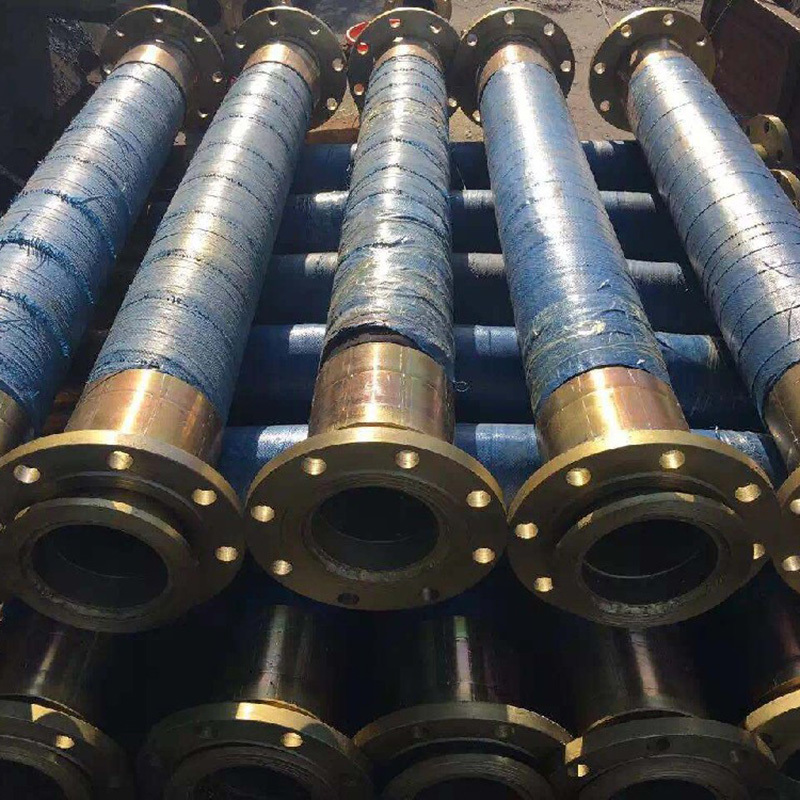
Innovations in High Pressure Hose Assembly for the Automotive Industry
Table of Contents
- 1. Introduction to High Pressure Hose Assemblies
- 2. Importance of High Pressure Hose Assemblies in Automotive Applications
- 3. Cutting-edge Materials Used in High Pressure Hose Assemblies
- 4. Innovative Design Features Enhancing Performance
- 5. Advanced Manufacturing Techniques for Hose Assemblies
- 6. Safety Enhancements in Hose Assemblies
- 7. Future Trends in High Pressure Hose Technology
- 8. Conclusion
- 9. Frequently Asked Questions
1. Introduction to High Pressure Hose Assemblies
High pressure hose assemblies are critical components in the automotive industry, facilitating the transfer of fluids and gases under high pressure. These assemblies are essential for various systems, including braking, fuel delivery, and hydraulic systems. As the automotive sector evolves, the demand for more efficient and reliable hose assemblies has spurred innovations in materials and design.
2. Importance of High Pressure Hose Assemblies in Automotive Applications
The importance of high pressure hose assemblies cannot be overstated. They ensure the safe and effective operation of various automotive systems. For instance, in racing vehicles, robust hose assemblies are crucial for maintaining optimal performance under extreme conditions. Furthermore, in everyday vehicles, reliable hose assemblies contribute to overall vehicle safety and efficiency, reducing the risk of leaks and failures.
2.1 Enhancing Performance and Reliability
High pressure hose assemblies enhance performance by minimizing energy losses in fluid transfer. The right assembly ensures that vehicles operate smoothly and efficiently, contributing to improved fuel economy and reduced emissions.
2.2 Meeting Industry Standards
Automotive manufacturers are required to meet stringent industry standards for safety and performance. Innovations in hose assembly design and materials help manufacturers comply with these regulations while enhancing the vehicle’s performance.
3. Cutting-edge Materials Used in High Pressure Hose Assemblies
The evolution of materials used in high pressure hose assemblies plays a pivotal role in improving their performance. Modern assemblies utilize a range of advanced materials, each selected for specific properties that enhance durability and resistance.
3.1 Synthetic Rubbers
Synthetic rubbers, such as EPDM (Ethylene Propylene Diene Monomer) and NBR (Nitrile Butadiene Rubber), are widely used due to their excellent resistance to heat, ozone, and aging. These materials provide flexibility and strength, making them ideal for high-pressure applications.
3.2 Thermoplastic Elastomers (TPE)
Thermoplastic elastomers combine the properties of rubber and plastic, offering superior flexibility, chemical resistance, and recyclability. TPEs are increasingly used in high-pressure hose assemblies, providing manufacturers with a lightweight and durable option.
3.3 Reinforcements
Reinforcements, such as steel braids and synthetic fibers, are critical for enhancing the strength and safety of hose assemblies. These reinforcements prevent bursting and ensure that the hoses can withstand high pressures without failure.
4. Innovative Design Features Enhancing Performance
Design is a crucial aspect of high pressure hose assemblies. Recent innovations focus on optimizing the structural integrity and performance of these assemblies.
4.1 Improved Coupling Designs
Modern coupling designs offer enhanced sealing capabilities, reducing the likelihood of leaks. Innovative coupling technologies, such as crimped or swaged fittings, ensure a secure connection between the hose and fittings, enhancing overall reliability.
4.2 Streamlined Fluid Flow
Design innovations also focus on minimizing turbulence in fluid flow. Smooth inner linings and strategically designed bends help reduce pressure drops within the system, ensuring optimal performance.
4.3 Temperature and Pressure Rating Enhancements
With advancements in material technology, manufacturers are now able to produce hose assemblies with higher temperature and pressure ratings. This enhances their applicability in a wider range of automotive systems.
5. Advanced Manufacturing Techniques for Hose Assemblies
Innovations in manufacturing techniques have significantly improved the production of high pressure hose assemblies, ensuring consistency and reliability.
5.1 Automation in Production
Automation has transformed the manufacturing landscape, allowing for precise and efficient production of hose assemblies. Automated processes reduce human error and enhance the quality of the final product.
5.2 Quality Control Measures
Stringent quality control measures are implemented throughout the manufacturing process. Advanced testing methods, including pressure testing and burst testing, ensure that each assembly meets safety and performance standards.
5.3 Customization Options
Manufacturers now offer extensive customization options, allowing automotive companies to tailor hose assemblies to specific applications. This flexibility enhances the performance of the vehicle systems while meeting individual customer needs.
6. Safety Enhancements in Hose Assemblies
Safety is paramount in the automotive industry, and innovations in high pressure hose assembly technology contribute significantly to overall vehicle safety.
6.1 Burst Pressure Testing
Before reaching the market, hose assemblies undergo rigorous burst pressure tests to determine their maximum capacity. This ensures that they can withstand the pressures they will encounter during regular use.
6.2 Resistance to Environmental Factors
Modern assemblies are designed to resist various environmental challenges, including extreme temperatures, UV exposure, and chemical spills. These enhancements reduce the risk of failure, promoting safety and longevity.
6.3 Leak Detection Technologies
Advanced leak detection technologies integrated into hose assemblies can alert users to potential failures before they become critical. These systems play a vital role in maintaining vehicle safety.
7. Future Trends in High Pressure Hose Technology
The future of high pressure hose assemblies in the automotive industry is promising, with several emerging trends poised to shape the landscape.
7.1 Integration of Smart Technologies
Smart technologies, including sensors and IoT integration, are expected to revolutionize hose assemblies. These innovations will allow for real-time monitoring of hose performance, enhancing predictive maintenance and reducing downtime.
7.2 Sustainability Initiatives
As the automotive industry shifts towards sustainable practices, the demand for eco-friendly materials and manufacturing processes is rising. Future innovations will likely focus on recycling and using biodegradable materials in hose production.
7.3 Advancements in 3D Printing
3D printing technology is set to play a significant role in the customization and rapid production of high pressure hose assemblies. This approach allows for intricate designs that traditional manufacturing methods cannot achieve.
8. Conclusion
Innovations in high pressure hose assembly technology are transforming the automotive industry, enhancing performance, safety, and reliability. As manufacturers continue to explore advanced materials, innovative designs, and cutting-edge manufacturing techniques, the future looks bright for high pressure hose assemblies. By staying informed about these developments, automotive professionals can better understand how these innovations can benefit their operations and enhance vehicle performance.
9. Frequently Asked Questions
Q1: What is a high pressure hose assembly?
A: A high pressure hose assembly is a component used in automotive systems to transfer fluids or gases under high pressure, ensuring safe and efficient operation.
Q2: What materials are used in high pressure hose assemblies?
A: Common materials include synthetic rubbers like EPDM and NBR, thermoplastic elastomers, and reinforced materials such as steel braids.
Q3: How do design innovations improve hose assemblies?
A: Design innovations enhance performance by improving sealing capabilities, reducing turbulence in fluid flow, and increasing temperature and pressure ratings.
Q4: Why is safety important in high pressure hose assemblies?
A: Safety is crucial due to the potential hazards associated with fluid leaks or hose failures, which can lead to accidents or equipment damage.
Q5: What future trends should we expect in high pressure hose technology?
A: Expect to see smart technology integration, sustainability initiatives, and advancements in 3D printing impacting the design and production of hose assemblies.
TAG:

Contact Us
Phone/WhatsApp
Address
Fotai, Duqiao Town, Jing County, Hengshui City, Hebei Province, China
Your One Stop, One Solution!
Each optimal solution is determined by its particular application requirements, design, and installation parameters combined with our experience and know-how on rubber hose technology.
CONTACT US
E-Mail: andy@ydhose.com
Tel.:+86-18732861678
WhatsApp:+8613676932567
Address:Fotai, Duqiao Town, Jing County, Hengshui City, Hebei Province, China


