
How to Identify Quality Acid Resistant Rubber Hoses for Cars
Jun 29,2026
How to Identify Quality Acid Resistant Rubber Hoses for Cars
Table of Contents
1. Introduction to Acid Resistant Rubber Hoses
2. Importance of Acid Resistant Hoses in Automotive Applications
3. Key Features of Quality Acid Resistant Rubber Hoses
3.1. Material Composition
3.2. Temperature and Pressure Ratings
3.3. Flexibility and Bend Radius
4. How to Test the Quality of Rubber Hose
How to Identify Quality Acid Resistant Rubber Hoses for Cars
Table of Contents
1. Introduction to Acid Resistant Rubber Hoses
2. Importance of Acid Resistant Hoses in Automotive Applications
3. Key Features of Quality Acid Resistant Rubber Hoses
3.1. Material Composition
3.2. Temperature and Pressure Ratings
3.3. Flexibility and Bend Radius
4. How to Test the Quality of Rubber Hoses
5. Common Applications of Acid Resistant Rubber Hoses in Cars
6. Tips for Choosing the Right Hose for Your Vehicle
6.1. Consider Your Vehicle’s Specifications
6.2. Consult with Professionals
6.3. Compare Brands and Manufacturers
7. Maintenance Tips for Acid Resistant Rubber Hoses
8. Frequently Asked Questions (FAQs)
9. Conclusion
1. Introduction to Acid Resistant Rubber Hoses
In the automotive industry, **acid-resistant rubber hoses** play a pivotal role in ensuring that various fluids, including fuel, oil, and coolant, are transported efficiently and safely throughout your vehicle. These hoses are engineered to withstand harsh environments, resisting degradation from acidic substances that can compromise performance. Understanding how to identify quality hoses is crucial for vehicle longevity and operational efficiency.
2. Importance of Acid Resistant Hoses in Automotive Applications
Acid resistant hoses are essential components in automotive systems due to their ability to handle various chemicals and extreme temperature conditions. **Vehicles often encounter corrosive fluids**, such as battery acid or oil, that can damage standard rubber hoses. Choosing the right acid resistant hose not only prevents leaks and failures but also enhances overall vehicle safety and performance.
3. Key Features of Quality Acid Resistant Rubber Hoses
When evaluating acid resistant rubber hoses, several characteristics can help you determine their quality. Below are the most important features to consider.
3.1. Material Composition
The material used in the construction of acid resistant hoses is critical. High-quality hoses are typically made from synthetic rubber compounds, such as **EPDM (Ethylene Propylene Diene Monomer)** or **NBR (Nitrile Butadiene Rubber)**, which offer superior resistance to acids, heat, and ozone. Always check the specifications provided by the manufacturer to confirm the material used.
3.2. Temperature and Pressure Ratings
A quality acid resistant hose should have clearly defined **temperature and pressure ratings**. These ratings indicate the maximum temperature and pressure the hose can safely handle without deformation or failure. Be sure to choose hoses that meet or exceed the requirements of your vehicle’s systems.
3.3. Flexibility and Bend Radius
Flexibility is another crucial feature. Hoses must be able to bend and maneuver around tight spaces without kinking or cracking. Check the **minimum bend radius** specified by the manufacturer to ensure the hose will fit your application's layout.
4. How to Test the Quality of Rubber Hoses
Before making a purchase, it’s advisable to conduct a few quality checks on the rubber hoses. Here are some effective testing methods:
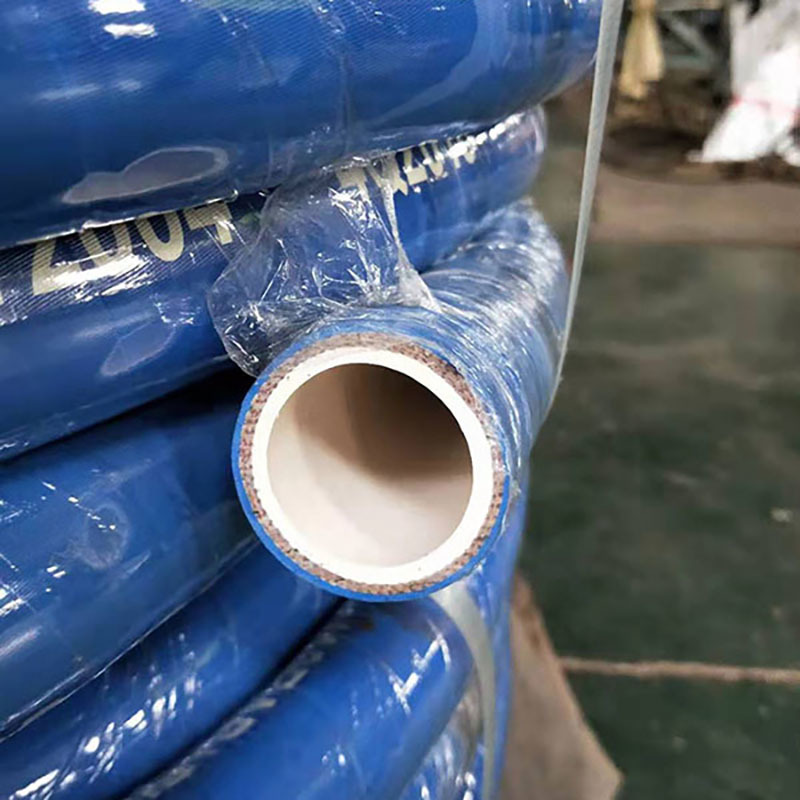
1. **Visual Inspection**: Look for any signs of wear, cracks, or discoloration. A high-quality hose will have a uniform appearance without blemishes.
2. **Flexibility Test**: Bend the hose at various angles to assess its flexibility. It should return to its original shape without any visible damage.
3. **Pressure Testing**: If possible, conduct a pressure test to see if the hose can withstand the required pressure without leaking.
5. Common Applications of Acid Resistant Rubber Hoses in Cars
Acid resistant rubber hoses are used in various automotive applications, including:
- **Cooling Systems**: Transporting engine coolant, which can be corrosive under certain conditions.
- **Fuel Systems**: Handling gasoline or diesel, which can contain acidic compounds.
- **Brake Systems**: Ensuring brake fluid integrity, as certain additives can be acidic.
6. Tips for Choosing the Right Hose for Your Vehicle
Choosing the right hose is crucial for ensuring optimal vehicle performance. Here are some tips to guide your selection:
6.1. Consider Your Vehicle’s Specifications
Always refer to your vehicle’s manual for specific requirements regarding hose types and dimensions. This will help you avoid compatibility issues.
6.2. Consult with Professionals
If unsure, consult with automotive professionals or mechanics. Their expertise can guide you in selecting the right product for your needs.
6.3. Compare Brands and Manufacturers
Not all brands are created equal. Research different manufacturers, read reviews, and compare product specifications to ensure you choose a reputable option.
7. Maintenance Tips for Acid Resistant Rubber Hoses
Maintaining acid resistant rubber hoses is essential for extending their lifespan. Here are some practical maintenance tips:
- **Regular Inspections**: Check hoses periodically for signs of wear or damage.
- **Keep Clean**: Clean the hose exterior to prevent buildup of corrosive substances.
- **Proper Storage**: Store spare hoses in a cool, dry place to prevent degradation.
8. Frequently Asked Questions (FAQs)
**Q1: How long do acid resistant rubber hoses last?**
A: The lifespan of acid resistant rubber hoses varies based on usage and conditions but typically ranges from 5 to 10 years.
**Q2: Can I use regular rubber hoses for acid applications?**
A: No, regular rubber hoses may degrade quickly when exposed to acid and should be replaced with acid-resistant options.
**Q3: How do I know if a hose is acid resistant?**
A: Check the product specifications for materials like EPDM or NBR and look for any labels indicating acid resistance.
**Q4: Are there specific brands known for high-quality acid resistant hoses?**
A: Yes, brands like Gates, Continental, and Dayco are well-regarded in the industry for their quality hoses.
**Q5: What should I do if I notice a leak in my rubber hose?**
A: Replace the hose immediately to avoid potential damage to your vehicle's systems.
9. Conclusion
In conclusion, identifying quality acid resistant rubber hoses for cars is vital for maintaining vehicle performance and ensuring safety. By understanding key features, conducting thorough tests, and following maintenance tips, you can select the best hoses for your automotive needs. Investing in high-quality hoses today can prevent costly repairs tomorrow, allowing your vehicle to run smoothly and efficiently.
TAG:

Contact Us
Phone/WhatsApp
Address
Fotai, Duqiao Town, Jing County, Hengshui City, Hebei Province, China
Your One Stop, One Solution!
Each optimal solution is determined by its particular application requirements, design, and installation parameters combined with our experience and know-how on rubber hose technology.
CONTACT US
E-Mail: andy@ydhose.com
Tel.:+86-18732861678
WhatsApp:+8613676932567
Address:Fotai, Duqiao Town, Jing County, Hengshui City, Hebei Province, China


