
Understanding the Importance of Oil Resistant Rubber Hoses in Automotive Applications
Jun 26,2026
Oil resistant rubber hoses are specifically engineered to withstand exposure to oils and other petroleum-based fluids, making them indispensable in automotive applications. These hoses are commonly used for fuel delivery, oil transfer, and coolant systems. Their unique composition provides resilience against degradation caused by exposure to harsh substances, ensuring long-lasting performance and
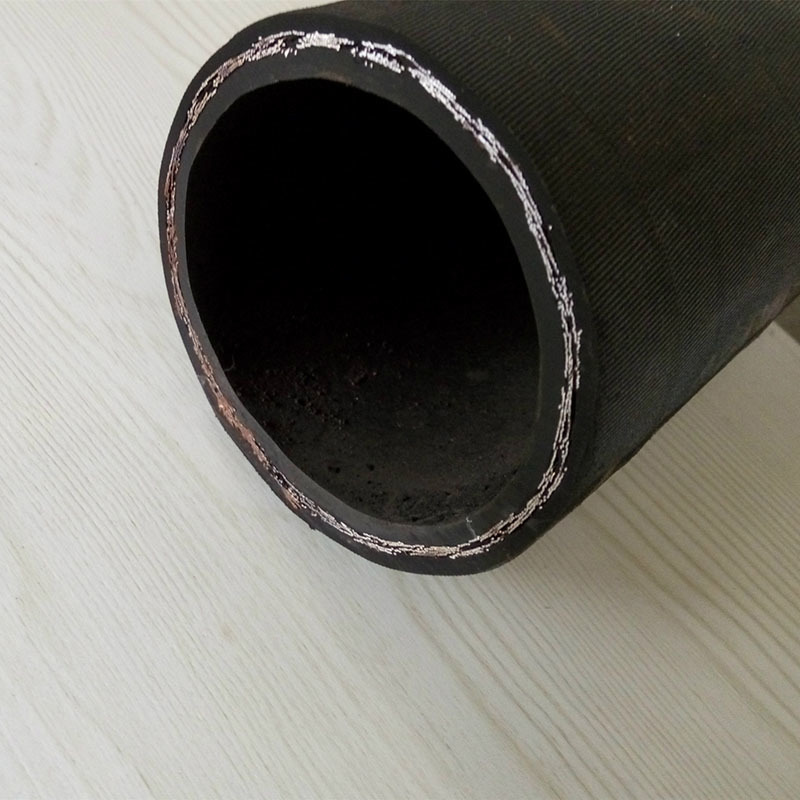
Oil resistant rubber hoses are specifically engineered to withstand exposure to oils and other petroleum-based fluids, making them indispensable in automotive applications. These hoses are commonly used for fuel delivery, oil transfer, and coolant systems. Their unique composition provides resilience against degradation caused by exposure to harsh substances, ensuring long-lasting performance and reliability.
The primary material used in the production of oil resistant rubber hoses is typically nitrile rubber (NBR), known for its excellent resistance to petroleum products. This material not only protects the hose from cracking and hardening but also maintains flexibility under varying temperature and pressure conditions. In addition to nitrile, some hoses may incorporate a blend of synthetic rubbers, which can further enhance oil resistance and overall durability.
When selecting an oil resistant rubber hose, it is essential to consider several factors, including temperature range, pressure rating, and compatibility with specific fluids. For example, hoses designed to transport diesel fuel will require different specifications compared to those used for hydraulic oil. Furthermore, hoses may be reinforced with textile or steel braiding to improve strength and prevent collapse under high pressure.
One of the key advantages of using oil resistant rubber hoses is their ability to minimize the risk of leaks and spills. A properly functioning hose can prevent fluid loss, which not only protects the environment but also enhances the safety and efficiency of the vehicle. Moreover, these hoses contribute to the overall performance of automotive systems by ensuring that fluids are delivered consistently and without interruption.
In addition to their functional benefits, oil resistant rubber hoses play a vital role in maintaining the integrity of the automotive systems they are part of. When hoses degrade or fail, it can lead to significant mechanical issues, increased maintenance costs, and potential safety hazards. Therefore, regular inspection and maintenance of these hoses are crucial for vehicle reliability and performance.
In conclusion, oil resistant rubber hoses are an essential component in the automotive industry, providing reliable and efficient fluid transfer under challenging conditions. Their ability to resist degradation and maintain performance makes them a valuable asset in various automotive applications. By understanding the properties and importance of these hoses, professionals in the automotive sector can make informed decisions that enhance vehicle performance, safety, and longevity.
TAG:

Contact Us
Phone/WhatsApp
Address
Fotai, Duqiao Town, Jing County, Hengshui City, Hebei Province, China
Your One Stop, One Solution!
Each optimal solution is determined by its particular application requirements, design, and installation parameters combined with our experience and know-how on rubber hose technology.
CONTACT US
E-Mail: andy@ydhose.com
Tel.:+86-18732861678
WhatsApp:+8613676932567
Address:Fotai, Duqiao Town, Jing County, Hengshui City, Hebei Province, China


