
The Critical Importance of High Pressure Rubber Hoses in Automotive Fuel Systems
May 14,2026
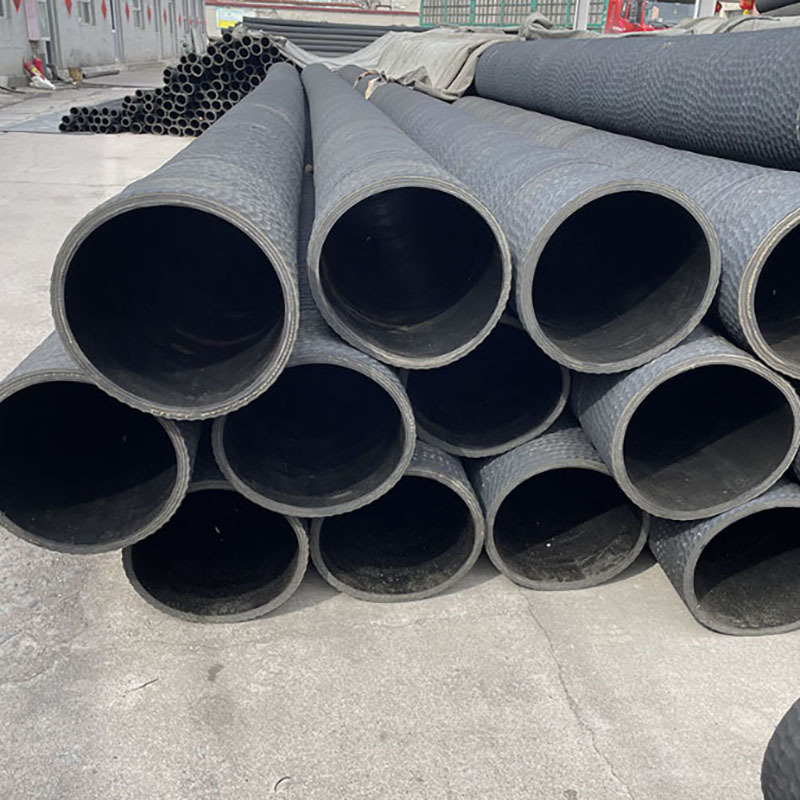
The Critical Importance of High Pressure Rubber Hoses in Automotive Fuel Systems
High pressure rubber hoses are essential components in the realm of automotive fuel systems. Their durability and performance directly influence the efficiency of fuel delivery and the overall functioning of vehicles. In this article, we will explore the multifaceted role of these hoses, highlighting their significance, construction, applications, and advancements. By understanding the intricacies of high pressure rubber hoses, we can appreciate their contributions to automotive technology and fuel efficiency.
Table of Contents
- Introduction to High Pressure Rubber Hoses
- Understanding High Pressure Rubber Hoses
- Construction and Material Composition
- Applications in Automotive Fuel Systems
- Benefits of High Pressure Rubber Hoses
- Maintenance and Care for Rubber Hoses
- Recent Innovations in Rubber Hose Technology
- Conclusion
- FAQs
Introduction to High Pressure Rubber Hoses
In the automotive industry, where precision and reliability are paramount, high pressure rubber hoses serve as critical conduits for fuel delivery. These hoses operate under significant pressure, ensuring that fuel travels efficiently from the tank to the engine. As vehicles become more advanced and fuel systems more complex, the importance of high-quality rubber hoses cannot be overstated. This article aims to provide a detailed exploration of high pressure rubber hoses, focusing on their pivotal role in modern automotive fuel systems.
Understanding High Pressure Rubber Hoses
High pressure rubber hoses are specialized tubes designed to transport fluids, particularly fuels, under high pressure conditions. These hoses are engineered to withstand various physical and chemical challenges, making them indispensable in today's automotive applications. The need for high pressure hoses arises from the demand for enhanced performance, increased power output, and improved fuel efficiency.
Defining High Pressure
High pressure is defined as any pressure that exceeds normal atmospheric pressure, often exceeding 20 bar (around 290 psi). In fuel systems, maintaining this pressure is critical for ensuring that fuel injectors operate effectively, enhancing engine performance and efficiency. High pressure rubber hoses are specifically designed to handle these demanding conditions without compromising safety or functionality.
Construction and Material Composition
The construction of high pressure rubber hoses involves several key components that contribute to their strength and flexibility. Typically, these hoses are made from synthetic rubber compounds that exhibit excellent resistance to heat, oil, and environmental factors.
Material Types
Common materials used in manufacturing high pressure rubber hoses include:
- Nitrile Rubber (NBR): Known for its oil resistance, NBR is commonly used in fuel applications.
- EPDM Rubber: This type offers superior resistance to weathering and ozone, making it ideal for outdoor applications.
- Silicone Rubber: Though less common, silicone hoses can withstand extreme temperatures and are often used in specialized applications.
Layered Structure
The hoses typically consist of multiple layers:
- Inner Layer: This layer is designed to handle the specific fuel type and prevent leaks.
- Reinforcement Layer: Made from braided or spiral-wound materials (like polyester or nylon), this layer provides strength and prevents expansion under pressure.
- Outer Layer: This protective layer guards against abrasions, heat, and environmental exposure.
Applications in Automotive Fuel Systems
High pressure rubber hoses are utilized in various applications within automotive fuel systems. Their versatility allows them to be employed in different vehicles and fuel types, including gasoline, diesel, and alternative fuels.
Fuel Injection Systems
In modern vehicles, fuel injection systems rely on high pressure hoses to deliver fuel to the injectors. The ability of these hoses to maintain consistent pressure is critical for optimal engine performance and efficiency. In this context, high pressure rubber hoses facilitate precise fuel atomization, which enhances combustion efficiency and reduces emissions.
Fuel Return Lines
High pressure hoses are also vital in fuel return lines, allowing excess fuel to return to the tank. This process helps maintain the system's pressure and ensures a constant supply of fuel to the engine, preventing vapor lock and enhancing performance.
Connecting Fuel Pumps
These hoses connect fuel pumps to the fuel tank and engine, ensuring that fuel is delivered efficiently. Their high-pressure tolerance makes them ideal for handling the varying demands of fuel delivery and ensuring optimal flow rates.
Benefits of High Pressure Rubber Hoses
The use of high pressure rubber hoses in automotive fuel systems presents numerous benefits:
Enhanced Safety
High-quality rubber hoses are designed to withstand extreme pressures and temperatures, reducing the risk of leaks or failures that can lead to hazardous situations. Their robust construction provides peace of mind for manufacturers and consumers alike.
Improved Fuel Efficiency
By ensuring a consistent and accurate flow of fuel, these hoses contribute to better fuel efficiency. This efficiency translates into lower fuel costs for consumers and reduced emissions, making them an environmentally friendly choice.
Durability and Longevity
High pressure rubber hoses are engineered to last. Their resistance to wear, heat, and chemical exposure means they require less frequent replacement, saving time and money in the long run.
Maintenance and Care for Rubber Hoses
Proper maintenance of high pressure rubber hoses is essential for ensuring their longevity and performance. Regular inspection and care can prevent unexpected failures and extend the life of these critical components.
Regular Inspections
Automotive professionals recommend conducting routine inspections of high pressure hoses. Look for signs of wear such as cracks, bulges, or discoloration, which could indicate impending failure. Addressing these issues early can prevent costly repairs and enhance safety.
Cleaning and Protection
Keeping hoses clean from dirt and debris prevents abrasion and prolongs their life. Applying protective coatings can also shield hoses from environmental elements, particularly when operating in harsh conditions.
Replacement Guidelines
It’s crucial to follow manufacturer guidelines regarding the lifespan of hoses. If hoses show signs of deterioration or have reached their recommended lifespan, replacement should be prioritized to ensure continued safety and performance.
Recent Innovations in Rubber Hose Technology
The automotive industry is continuously evolving, and so is the technology behind high pressure rubber hoses. Recent innovations have focused on enhancing performance, durability, and environmental sustainability.
Advanced Materials
New synthetic materials are being developed to improve the performance of rubber hoses. These materials offer increased resistance to heat, chemicals, and wear, further extending the life of hoses in demanding applications.
Eco-Friendly Options
With growing awareness of environmental issues, manufacturers are exploring eco-friendly alternatives to traditional rubber hoses. Biodegradable materials and recyclable designs are emerging trends that promote sustainability without sacrificing functionality.
Conclusion
High pressure rubber hoses play a pivotal role in the efficiency and safety of automotive fuel systems. Their robust construction, adaptability to various applications, and numerous benefits make them indispensable in modern vehicles. As the automotive industry continues to advance, ongoing innovations in hose technology will further enhance performance and sustainability. Understanding the significance of these components empowers automotive enthusiasts and professionals to make informed decisions regarding vehicle maintenance and performance optimization.
FAQs
1. What distinguishes high pressure rubber hoses from standard hoses?
High pressure rubber hoses are specifically engineered to withstand significantly higher pressures than standard hoses, making them suitable for demanding fuel system applications.
2. How often should high pressure rubber hoses be inspected?
Regular inspections should be conducted at least every six months or during routine vehicle maintenance to identify any signs of wear or damage.
3. Can high pressure rubber hoses be used with all types of fuels?
Most high pressure rubber hoses are designed to handle various fuel types, including gasoline, diesel, and alternative fuels. Always check manufacturer specifications for compatibility.
4. What are the signs that a rubber hose needs replacement?
Signs include visible cracks, bulging, leaks, or any signs of deterioration. If any of these are present, it is advisable to replace the hose immediately.
5. Are there eco-friendly options for high pressure rubber hoses?
Yes, manufacturers are increasingly offering biodegradable and recyclable rubber hoses as part of their commitment to sustainability in automotive parts.

Contact Us
Phone/WhatsApp
Address
Fotai, Duqiao Town, Jing County, Hengshui City, Hebei Province, China
Your One Stop, One Solution!
Each optimal solution is determined by its particular application requirements, design, and installation parameters combined with our experience and know-how on rubber hose technology.
CONTACT US
E-Mail: andy@ydhose.com
Tel.:+86-18732861678
WhatsApp:+8613676932567
Address:Fotai, Duqiao Town, Jing County, Hengshui City, Hebei Province, China


