
Understanding the Components of High Pressure Hose Assembly for Automotive Applications
May 14,2026
Understanding the Components of High Pressure Hose Assembly for Automotive Applications
Table of Contents
1. Introduction to High Pressure Hose Assemblies
2. Importance of High Pressure Hose Assemblies in Automotive Applications
3. Key Components of High Pressure Hose Assemblies
3.1 The Hose Itself
3.2 Hose Fittings
4. Design Considerations for
Understanding the Components of High Pressure Hose Assembly for Automotive Applications
Table of Contents
- 1. Introduction to High Pressure Hose Assemblies
- 2. Importance of High Pressure Hose Assemblies in Automotive Applications
- 3. Key Components of High Pressure Hose Assemblies
- 4. Design Considerations for High Pressure Hose Assemblies
- 5. Performance Factors Affecting High Pressure Hose Assemblies
- 6. Installation Best Practices
- 7. Maintenance Tips for Longevity
- 8. Troubleshooting Common Issues
- 9. Frequently Asked Questions
- 10. Conclusion
1. Introduction to High Pressure Hose Assemblies
High-pressure hose assemblies are critical components in various automotive applications, serving functions that range from fluid transfer to pressure regulation. Understanding these assemblies is essential for automotive professionals, engineers, and anyone involved in vehicle maintenance or repair. In this article, we will delve deep into the components, design considerations, installation guidelines, and maintenance practices surrounding high-pressure hose assemblies, ensuring you gain a comprehensive understanding of their importance.
2. Importance of High Pressure Hose Assemblies in Automotive Applications
High-pressure hose assemblies play a vital role in ensuring the efficient operation of numerous automotive systems, including:
- **Hydraulic Systems**: Such as power steering, brakes, and suspension systems.
- **Fuel Systems**: Transporting fuel from the tank to the engine with precision and safety.
- **Cooling Systems**: Facilitating the movement of coolant to prevent overheating.
The reliability of these assemblies directly impacts vehicle safety and performance, highlighting the necessity for proper selection, installation, and maintenance.
3. Key Components of High Pressure Hose Assemblies
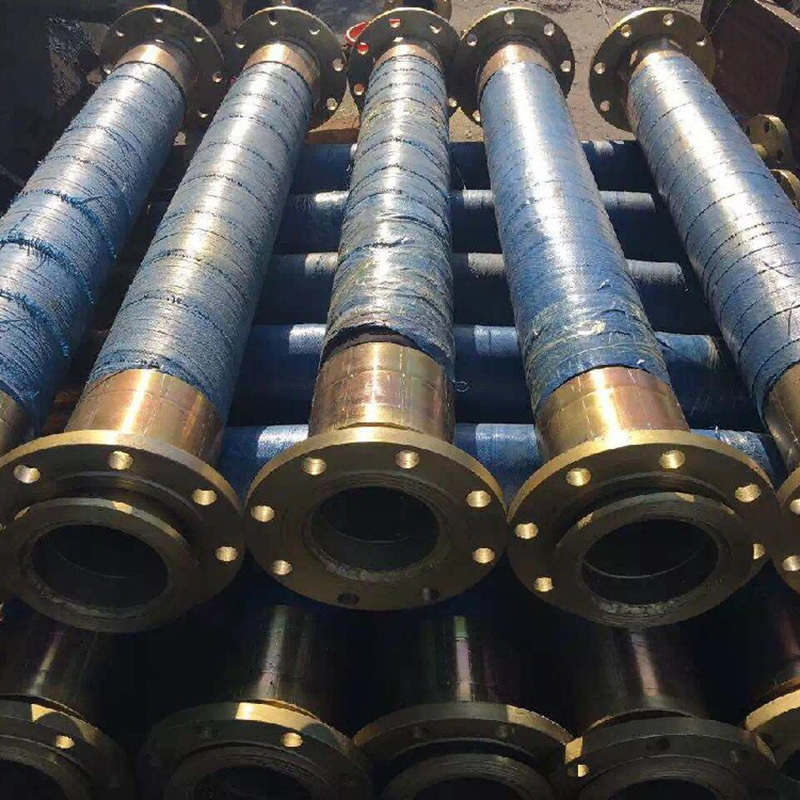
Understanding the key components of high-pressure hose assemblies is crucial for optimal performance and durability. Below, we explore two primary components: the hose itself and the fittings.
3.1 The Hose Itself
The hose in a high-pressure assembly is often constructed from specialized materials designed to withstand extreme pressure and temperature. Common materials include:
- **Rubber**: Durable and flexible, rubber hoses are suitable for various applications but may degrade under extreme temperatures or exposure to certain chemicals.
- **Thermoplastic**: These hoses provide excellent resistance to chemicals and are lightweight, making them ideal for high-performance applications.
- **Metal**: Metal hoses are used in high-pressure situations, offering superior strength and durability but at a higher weight.
When selecting a hose, consider factors such as operating pressure, temperature range, and the type of fluid being transported.
3.2 Hose Fittings
Fittings connect hoses to other components of the system, ensuring a secure and leak-proof connection. They come in various types, including:
- **Crimped Fittings**: Commonly used for industrial applications, these fittings are permanently attached to the hose.
- **Swaged Fittings**: Similar to crimped fittings but use a different attachment method that can be more secure for high-pressure environments.
- **Reusable Fittings**: These fittings can be removed and reused, providing flexibility in maintenance and repair.
Choosing the right fitting is essential for maintaining the integrity of the high-pressure assembly.
4. Design Considerations for High Pressure Hose Assemblies
When designing a high-pressure hose assembly, several factors must be taken into account:
- **Operating Conditions**: Understanding the environmental factors, such as temperature extremes and exposure to chemicals, which can affect hose performance.
- **Bend Radius**: A proper bend radius is critical in preventing kinking or damage to the hose under pressure.
- **Length and Routing**: Minimizing the length of the hose assembly while ensuring proper routing can reduce pressure drops and improve efficiency.
These considerations will help ensure that the hose assembly performs reliably under all operating conditions.
5. Performance Factors Affecting High Pressure Hose Assemblies
The performance of high-pressure hose assemblies can be influenced by several factors, including:
- **Pressure Ratings**: Every hose and fitting has a specified pressure rating. Exceeding this rating can lead to catastrophic failure.
- **Temperature Ratings**: Different materials have varying thresholds for temperature. Selecting a hose that can withstand the maximum temperature of the fluid is crucial.
- **Fluid Compatibility**: Ensure that the materials of the hose and fittings are compatible with the fluids they will carry to prevent degradation.
Regular monitoring of these factors can enhance the longevity and performance of the hose assembly.
6. Installation Best Practices
Proper installation of high-pressure hose assemblies is essential to ensure safety and functionality. Here are some best practices:
- **Clean Connections**: Before installation, ensure that all connections are clean and free of debris to prevent contamination.
- **Torque Specifications**: Follow the manufacturer's torque specifications when tightening fittings to avoid leaks or damage.
- **Avoid Twisting**: Ensure the hose is not twisted during installation, as this can lead to premature wear.
Adhering to these practices can prevent future issues and enhance the reliability of the hose assembly.
7. Maintenance Tips for Longevity
To prolong the lifespan of high-pressure hose assemblies, consider the following maintenance tips:
- **Regular Inspections**: Routinely check hoses and fittings for signs of wear, such as abrasions, cracks, or leaks.
- **Proper Storage**: Store hoses in a cool, dry place, away from sunlight and chemicals to prevent premature deterioration.
- **Fluid Checks**: Regularly check the fluids carried by the hoses for any contamination or breakdown that could affect hose integrity.
Implementing a consistent maintenance schedule can save time and resources in the long run.
8. Troubleshooting Common Issues
Even with proper installation and maintenance, issues can arise. Here are some common problems and their solutions:
- **Leaking Connections**: If you notice leaks at fittings, ensure they are properly torqued and that O-rings are intact.
- **Kinking or Bending**: If the hose is kinked, it may need to be replaced. Always respect the hose's bend radius during installation.
- **Pressure Drops**: A drop in pressure might indicate blockages or damage within the hose, necessitating a thorough inspection.
Addressing these issues promptly can prevent further complications and ensure the safe operation of your automotive systems.
9. Frequently Asked Questions
What is the typical lifespan of a high-pressure hose assembly?
The lifespan of a high-pressure hose assembly can vary greatly depending on the material, operating conditions, and maintenance practices, but generally, they last between 5 to 10 years.
How can I tell if my high-pressure hose needs to be replaced?
Signs that a hose may need replacement include visible cracks, abrasions, significant wear, and leaks at connection points.
Can I use a high-pressure hose assembly for different types of fluids?
Not all hoses are compatible with every fluid. Always consult the manufacturer's specifications to ensure compatibility.
What are the risks of using an under-spec hose assembly?
Using a hose assembly that does not meet the pressure and temperature requirements can lead to catastrophic failure, resulting in safety hazards and costly damages.
Are there any certifications I should look for when purchasing high-pressure hoses?
Yes, look for hoses and fittings that meet industry standards and certifications, such as SAE (Society of Automotive Engineers) or ISO (International Organization for Standardization) certifications.
10. Conclusion
Understanding the components of high-pressure hose assemblies is essential for anyone involved in automotive applications. By knowing the key components, design considerations, installation best practices, and maintenance tips, you can ensure the reliability and safety of your vehicles. High-pressure hose assemblies are not mere components; they are critical to the overall performance and safety of automotive systems. Investing time in learning about them will yield dividends in safety and efficiency in your automotive endeavors.
TAG:

Contact Us
Phone/WhatsApp
Address
Fotai, Duqiao Town, Jing County, Hengshui City, Hebei Province, China
Your One Stop, One Solution!
Each optimal solution is determined by its particular application requirements, design, and installation parameters combined with our experience and know-how on rubber hose technology.
CONTACT US
E-Mail: andy@ydhose.com
Tel.:+86-18732861678
WhatsApp:+8613676932567
Address:Fotai, Duqiao Town, Jing County, Hengshui City, Hebei Province, China


