
Wire Reinforced Rubber Hoses: Essential for Maximizing Vehicle Lifespan
May 13,2026
Wire Reinforced Rubber Hoses: Essential for Maximizing Vehicle Lifespan
Table of Contents
1. Introduction to Wire Reinforced Rubber Hoses
2. Understanding Wire Reinforcement in Rubber Hoses
3. Importance of Wire Reinforced Hoses in Vehicles
4. Applications of Wire Reinforced Rubber Hoses in Automotive Engineering
5. Benefits of Using Wire Reinforced Rubber Hoses
6. Mainten
Wire Reinforced Rubber Hoses: Essential for Maximizing Vehicle Lifespan
Table of Contents
- 1. Introduction to Wire Reinforced Rubber Hoses
- 2. Understanding Wire Reinforcement in Rubber Hoses
- 3. Importance of Wire Reinforced Hoses in Vehicles
- 4. Applications of Wire Reinforced Rubber Hoses in Automotive Engineering
- 5. Benefits of Using Wire Reinforced Rubber Hoses
- 6. Maintenance and Care for Wire Reinforced Rubber Hoses
- 7. Choosing the Right Wire Reinforced Rubber Hose for Your Vehicle
- 8. Common Issues with Wire Reinforced Hoses and Their Solutions
- 9. Conclusion
- 10. FAQs
1. Introduction to Wire Reinforced Rubber Hoses
Wire reinforced rubber hoses are integral components in automotive systems, providing a balance of flexibility and strength. These hoses are designed to withstand high pressures and temperatures, making them ideal for various applications within vehicles. As we explore the specifics of wire reinforced rubber hoses, we will uncover their significance in maintaining the longevity and efficiency of your vehicle.
2. Understanding Wire Reinforcement in Rubber Hoses
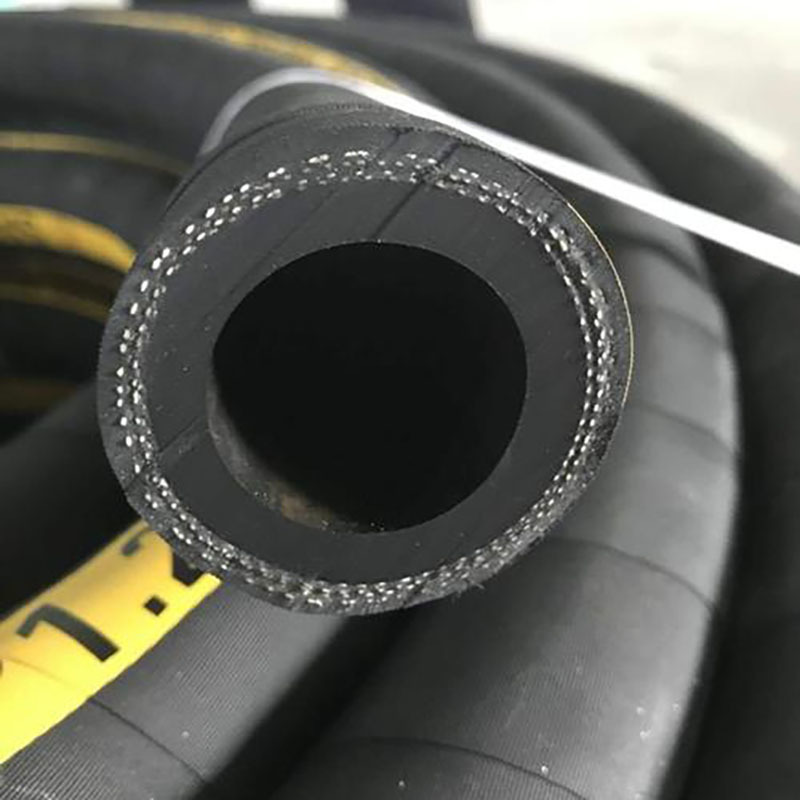
Wire reinforcement involves embedding metal wire, usually steel, within the rubber to enhance its structural integrity. This process increases the hose's strength, enabling it to endure external pressures and internal stress without failing. The combination of rubber and wire delivers a hose that is not only resistant to wear and tear but also capable of maintaining its shape under pressure, which is critical in various automotive applications.
2.1 Types of Wire Reinforcement
There are typically two types of wire reinforcement used in rubber hoses:
- **Spiral Wire Reinforcement**: This design features wire wound in a spiral around the hose, providing excellent flexibility and resistance to crushing.
- **Braided Wire Reinforcement**: This involves weaving wires together to form a mesh that enhances the strength and pressure tolerance of the hose.
Understanding these types helps in selecting the right hose for specific applications within a vehicle.
3. Importance of Wire Reinforced Hoses in Vehicles
Wire reinforced rubber hoses play a critical role in ensuring the smooth operation of various vehicle systems, including coolant lines, fuel delivery systems, and brake lines. Their importance can be summarized in several key points:
- **Durability**: These hoses exhibit superior longevity compared to traditional rubber hoses, reducing the frequency of replacements.
- **Pressure Resistance**: The construction allows for higher pressure ratings, making them suitable for demanding applications.
- **Safety**: Reliable hoses prevent leaks and failures that could lead to hazardous situations while driving.
4. Applications of Wire Reinforced Rubber Hoses in Automotive Engineering
Wire reinforced rubber hoses are used in multiple automotive systems, showcasing their versatility and necessity. Key applications include:
4.1 Cooling Systems
In cooling systems, these hoses transport coolant between the engine and radiator, ensuring optimal temperature regulation to prevent overheating.
4.2 Fuel Systems
For fuel delivery, wire reinforced hoses facilitate the movement of gasoline or diesel from the tank to the engine, maintaining efficiency and performance.
4.3 Brake Systems
In brake systems, they are crucial for transmitting brake fluid, providing the necessary pressure to activate braking mechanisms effectively.
4.4 Pneumatic Systems
Wire reinforced hoses are also employed in pneumatic systems where compressed air is utilized, ensuring reliable operation under pressure.
5. Benefits of Using Wire Reinforced Rubber Hoses
The benefits of incorporating wire reinforced rubber hoses into vehicle design are substantial and can significantly impact overall vehicle performance.
5.1 Enhanced Performance
These hoses contribute to improved performance by ensuring that fluids can be transported efficiently without restrictions, which is vital for optimal engine and system function.
5.2 Reduced Maintenance Costs
The durability of wire reinforced hoses reduces the need for frequent replacements and repairs, lowering long-term maintenance costs for vehicle owners.
5.3 Increased Safety and Reliability
The robust construction of these hoses ensures that they can withstand extreme conditions, reducing the likelihood of leaks and system failures that could compromise safety.
6. Maintenance and Care for Wire Reinforced Rubber Hoses
Proper maintenance of wire reinforced rubber hoses is critical to ensure their longevity and functionality. Here are some essential tips for maintaining these hoses:
6.1 Regular Inspections
Conduct regular visual inspections to check for signs of wear, cracks, or leaks. Early detection of issues can prevent more extensive damage.
6.2 Cleanliness
Maintain cleanliness around hose connections and fittings to avoid contamination that could affect performance and lead to premature failure.
6.3 Proper Installation
Ensure that hoses are installed correctly, avoiding sharp bends and kinks that could impair their ability to transport fluids efficiently.
7. Choosing the Right Wire Reinforced Rubber Hose for Your Vehicle
Selecting the appropriate wire reinforced rubber hose for your vehicle involves considering several factors:
7.1 Hose Specifications
Pay attention to the hose's specifications, including the pressure rating, temperature range, and material compatibility with the fluids it will carry.
7.2 Application Requirements
Consider the specific application for which the hose will be used. Different systems may have unique requirements that must be met for optimal performance.
7.3 Manufacturer Recommendations
Always refer to manufacturer recommendations for hose selection, ensuring that you choose products that meet the quality standards for your vehicle type.
8. Common Issues with Wire Reinforced Hoses and Their Solutions
While wire reinforced rubber hoses are designed for durability, they can still encounter issues. Here are some common problems and their solutions:
8.1 Cracks and Fractures
Cracks can develop over time due to wear or exposure to extreme temperatures. If detected, it is crucial to replace the hose immediately to prevent leaks.
8.2 Leaks
Leaks may occur at connection points. Regularly check clamps and fittings to ensure they are secure and replace any worn components.
8.3 Kinking
Kinks in hoses can restrict fluid flow. Ensure hoses are routed correctly to avoid sharp bends, and replace any kinks that cannot be straightened.
9. Conclusion
Wire reinforced rubber hoses are essential components in modern vehicles, contributing significantly to their performance and longevity. By understanding their construction, applications, and maintenance needs, vehicle owners can ensure that these vital hoses continue to operate efficiently for years to come. Investing in high-quality wire reinforced rubber hoses is not just a choice; it's a necessity for anyone looking to maximize their vehicle's lifespan and reliability.
10. FAQs
10.1 What are wire reinforced rubber hoses made of?
Wire reinforced rubber hoses are primarily made of high-quality rubber with metal wire embedded within for added strength and durability.
10.2 How often should I replace my wire reinforced rubber hoses?
Typically, wire reinforced rubber hoses should be inspected regularly and replaced every 4-6 years, but the exact timing can depend on usage, environmental conditions, and manufacturer recommendations.
10.3 Can I use regular rubber hoses instead of wire reinforced ones?
Regular rubber hoses may not provide the same level of durability and pressure resistance as wire reinforced hoses, especially in high-pressure applications.
10.4 What symptoms indicate a problem with wire reinforced hoses?
Common symptoms of a failing wire reinforced hose include leaks, cracks, bulges, or kinks, which can lead to fluid loss and system failure.
10.5 How do I maintain my vehicle’s wire reinforced rubber hoses?
Regular inspections, cleaning around connections, and ensuring proper installation are essential maintenance practices to prolong the life of wire reinforced rubber hoses.
TAG:

Contact Us
Phone/WhatsApp
Address
Fotai, Duqiao Town, Jing County, Hengshui City, Hebei Province, China
Your One Stop, One Solution!
Each optimal solution is determined by its particular application requirements, design, and installation parameters combined with our experience and know-how on rubber hose technology.
CONTACT US
E-Mail: andy@ydhose.com
Tel.:+86-18732861678
WhatsApp:+8613676932567
Address:Fotai, Duqiao Town, Jing County, Hengshui City, Hebei Province, China


