
Essential Maintenance Tips for Acid Resistant Rubber Hoses in Vehicles
May 13,2026
Essential Maintenance Tips for Acid Resistant Rubber Hoses in Vehicles
Maintaining your vehicle's acid-resistant rubber hoses is crucial for ensuring safety and performance. These hoses serve as vital components that transport various fluids, offering resistance to corrosive substances. Neglecting their upkeep can lead to severe issues, including leaks, overheating, and degraded performance. In th
Essential Maintenance Tips for Acid Resistant Rubber Hoses in Vehicles
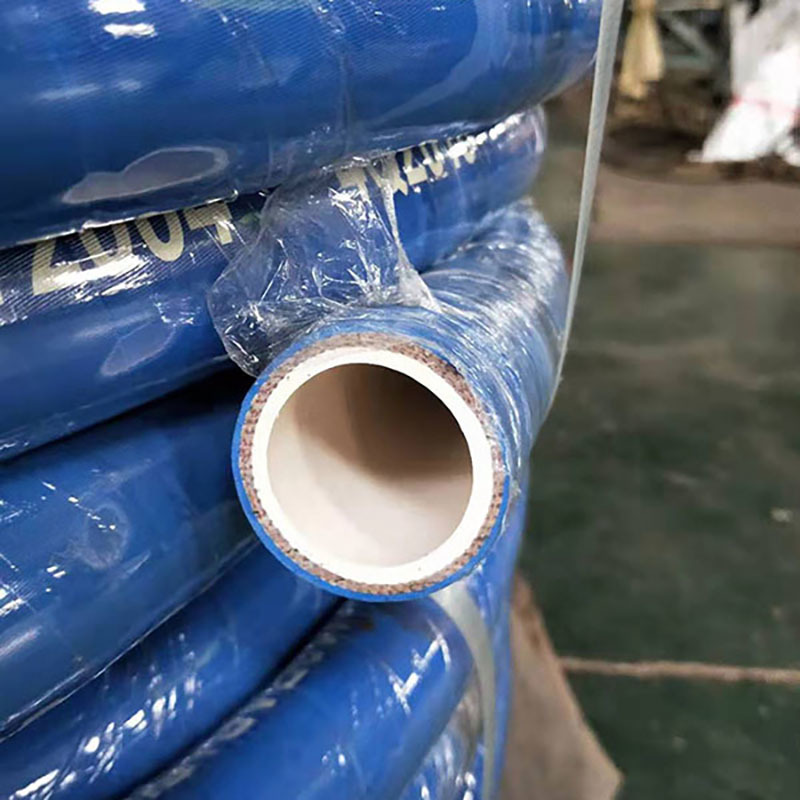
Maintaining your vehicle's acid-resistant rubber hoses is crucial for ensuring safety and performance. These hoses serve as vital components that transport various fluids, offering resistance to corrosive substances. Neglecting their upkeep can lead to severe issues, including leaks, overheating, and degraded performance. In this article, we will provide you with **detailed maintenance tips** to keep your acid-resistant rubber hoses in excellent condition.
Understanding Acid Resistant Rubber Hoses
Before diving into maintenance tips, it's essential to understand what acid-resistant rubber hoses are and why they are used in vehicles.
The Role of Acid Resistant Rubber Hoses
Acid-resistant rubber hoses are designed to withstand exposure to corrosive chemicals, including battery acid and other automotive fluids. They are commonly used in applications such as:
- **Fuel systems**
- **Cooling systems**
- **Hydraulic systems**
- **Exhaust systems**
The durability of these hoses helps prevent leaks and ensures safe operation, especially in high-stress environments.
Common Applications of Acid Resistant Rubber Hoses
Understanding where these hoses are used is vital for effective maintenance. Common applications include:
- **Automotive fuel lines**: Typically exposed to gasoline and ethanol.
- **Cooling system connections**: Subject to varying temperatures and chemical exposure from coolant.
- **Power steering and brake systems**: Require hoses that can withstand hydraulic pressures.
Signs Your Acid Resistant Rubber Hoses Need Attention
Recognizing the signs of wear and tear can prevent costly repairs and ensure your vehicle functions optimally.
Cracks and Fissures
One of the most obvious signs that your hoses require maintenance is the presence of cracks or fissures. These can occur due to prolonged exposure to heat and chemicals. Regular inspections can help catch these issues early.
Leaks and Fluid Loss
If you notice fluid pooling under your vehicle, it may indicate a leak in your rubber hoses. This can lead to significant problems, including engine overheating or failure.
Discoloration and Hardness
If your hoses appear discolored or feel hard to the touch, it may indicate that they are aging and losing their flexibility. This deterioration can compromise their effectiveness and lead to eventual failure.
Maintenance Tips for Acid Resistant Rubber Hoses
Now that we understand the importance of these hoses, let’s explore **effective maintenance tips** to extend their lifespan.
Regular Inspections
Conducting regular inspections is vital for detecting potential issues before they escalate. We recommend checking:
- **Hose fittings and connections**: Ensure they are tight and free from corrosion.
- **Visual checks**: Inspect for any signs of wear, such as cracks, bulges, or leaks.
- **Flexibility tests**: Gently squeeze the hoses to check for rigidity or brittleness.
Proper Cleaning Techniques
Keeping hoses clean is essential for preventing chemical buildup that can lead to deterioration.
- **Use mild soap and water**: Avoid harsh chemicals that can degrade the rubber.
- **Rinse thoroughly**: Ensure all soap residues are removed to prevent chemical interaction.
- **Dry completely**: Moisture can accelerate deterioration, so allow hoses to dry fully.
Temperature Control
Excessive heat can damage acid-resistant rubber hoses. To prevent overheating:
- **Monitor engine temperature**: Keep an eye on gauges to prevent overheating.
- **Ensure proper airflow**: Inspect the radiator and cooling system for blockages.
Replacing Hoses When Necessary
Even with the best maintenance, hoses will eventually need replacement. It's essential to replace them at the first sign of severe wear. Look for high-quality replacements that match your vehicle's specifications.
Use of Protective Shields
Consider installing protective shields around hoses exposed to high heat or chemicals. This can help shield them from direct exposure and reduce deterioration.
Proper Installation Techniques
If you are replacing hoses, ensure they are installed correctly. Poor installation can lead to kinks, bends, or leaks. Follow the manufacturer's specifications closely.
Utilizing the Right Tools
Using the right tools can make maintenance tasks more effective. Invest in quality tools, such as:
- **Hose clamps**: To secure hoses tightly.
- **Hose cutters**: For clean and precise cuts during replacements.
- **Torque wrenches**: To ensure fittings are tightened to the correct specifications.
FAQs About Acid Resistant Rubber Hoses Maintenance
1. How often should I inspect my acid-resistant rubber hoses?
We recommend inspecting your hoses at least every six months or before long trips to catch potential issues early.
2. What cleaning products are safe for rubber hoses?
Mild soap and water are generally safe. Avoid harsh solvents and chemicals that may degrade the rubber.
3. Can I use regular rubber hoses instead of acid-resistant ones?
No, regular rubber hoses are not designed to withstand corrosive substances and can fail quickly.
4. What are the signs of a failing acid-resistant rubber hose?
Signs include leaks, cracks, discoloration, and a hard, brittle texture.
5. How do I know when to replace my hoses?
Replace hoses at the first sign of significant wear or deterioration, such as extensive cracking or loss of flexibility.
Conclusion
Maintaining acid-resistant rubber hoses in your vehicle is essential for ensuring optimal performance and safety. By adhering to the maintenance tips outlined in this article, you can significantly extend the lifespan of your hoses, prevent leaks, and avoid costly repairs. Regular inspections, proper cleaning, and timely replacements are key components of effective maintenance. By staying proactive, you can ensure that your vehicle remains in top condition, ready to face the challenges of the road ahead.
TAG:
PREVIOUS:

Contact Us
Phone/WhatsApp
Address
Fotai, Duqiao Town, Jing County, Hengshui City, Hebei Province, China
Your One Stop, One Solution!
Each optimal solution is determined by its particular application requirements, design, and installation parameters combined with our experience and know-how on rubber hose technology.
CONTACT US
E-Mail: andy@ydhose.com
Tel.:+86-18732861678
WhatsApp:+8613676932567
Address:Fotai, Duqiao Town, Jing County, Hengshui City, Hebei Province, China


