
The Essential Guide to Hydraulic Support Hoses in Automotive Applications
May 12,2026
Hydraulic support hoses are vital components in the automotive sector, particularly for vehicles that rely on hydraulic systems. These specialized hoses are designed to transport fluid under pressure, enabling various functions within the vehicle's hydraulic system. Understanding the construction, functionality, and applications of hydraulic support hoses can help you appreciate their significance
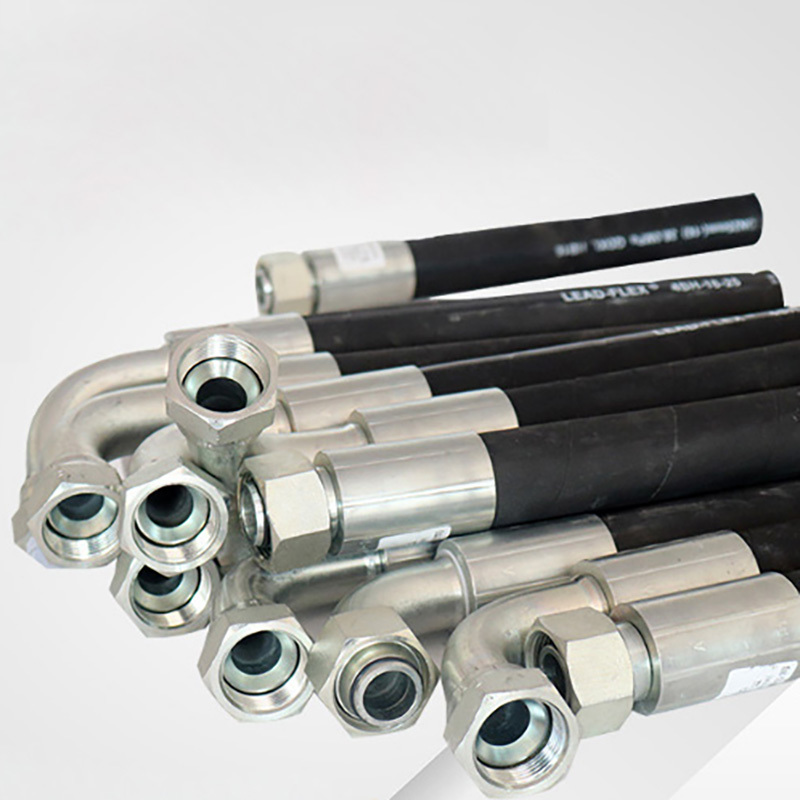
Hydraulic support hoses are vital components in the automotive sector, particularly for vehicles that rely on hydraulic systems. These specialized hoses are designed to transport fluid under pressure, enabling various functions within the vehicle's hydraulic system. Understanding the construction, functionality, and applications of hydraulic support hoses can help you appreciate their significance in automotive engineering.
Typically made from durable rubber compounds, hydraulic support hoses are engineered to withstand high pressure and extreme temperatures. Their construction usually includes multiple layers, combining reinforcement materials such as steel braiding or synthetic fibers with a rubber outer layer. This design not only enhances the hose's strength but also provides resistance to wear, abrasion, and environmental factors, ensuring a long service life.
One of the primary functions of hydraulic support hoses is to facilitate the transmission of hydraulic fluid. In vehicles, this fluid is essential for operating critical systems, such as power steering, braking, and suspension. Without reliable hydraulic support hoses, these systems would fail, leading to compromised vehicle safety and performance. Therefore, it's crucial that automotive manufacturers and mechanics prioritize the quality and maintenance of these hoses.
In automotive applications, hydraulic support hoses are subject to various stress factors, including temperature fluctuations, pressure variations, and exposure to chemicals. Regular inspections are recommended to detect any signs of wear, such as cracks, bulges, or leaks. Early identification of potential issues can prevent more severe failures and costly repairs down the line.
Moreover, advancements in technology have led to the development of specialized hydraulic support hoses that cater to specific automotive needs. For instance, hoses designed for high-performance vehicles may incorporate advanced materials and construction techniques to handle greater pressures and demands. Understanding these innovations can help vehicle owners and mechanics make informed decisions when selecting hoses for repairs or upgrades.
In summary, hydraulic support hoses are integral to the functionality and safety of modern vehicles. Their robust design and ability to withstand demanding conditions make them indispensable in the automotive industry. As vehicles continue to evolve, so too will the technology behind hydraulic support hoses, emphasizing the importance of staying informed about the latest advancements and best practices in maintenance. By prioritizing the quality and upkeep of these essential components, you can ensure the optimal performance and longevity of your vehicle's hydraulic systems.
Typically made from durable rubber compounds, hydraulic support hoses are engineered to withstand high pressure and extreme temperatures. Their construction usually includes multiple layers, combining reinforcement materials such as steel braiding or synthetic fibers with a rubber outer layer. This design not only enhances the hose's strength but also provides resistance to wear, abrasion, and environmental factors, ensuring a long service life.
One of the primary functions of hydraulic support hoses is to facilitate the transmission of hydraulic fluid. In vehicles, this fluid is essential for operating critical systems, such as power steering, braking, and suspension. Without reliable hydraulic support hoses, these systems would fail, leading to compromised vehicle safety and performance. Therefore, it's crucial that automotive manufacturers and mechanics prioritize the quality and maintenance of these hoses.
In automotive applications, hydraulic support hoses are subject to various stress factors, including temperature fluctuations, pressure variations, and exposure to chemicals. Regular inspections are recommended to detect any signs of wear, such as cracks, bulges, or leaks. Early identification of potential issues can prevent more severe failures and costly repairs down the line.
Moreover, advancements in technology have led to the development of specialized hydraulic support hoses that cater to specific automotive needs. For instance, hoses designed for high-performance vehicles may incorporate advanced materials and construction techniques to handle greater pressures and demands. Understanding these innovations can help vehicle owners and mechanics make informed decisions when selecting hoses for repairs or upgrades.
In summary, hydraulic support hoses are integral to the functionality and safety of modern vehicles. Their robust design and ability to withstand demanding conditions make them indispensable in the automotive industry. As vehicles continue to evolve, so too will the technology behind hydraulic support hoses, emphasizing the importance of staying informed about the latest advancements and best practices in maintenance. By prioritizing the quality and upkeep of these essential components, you can ensure the optimal performance and longevity of your vehicle's hydraulic systems.
TAG:

Contact Us
Phone/WhatsApp
Address
Fotai, Duqiao Town, Jing County, Hengshui City, Hebei Province, China
Your One Stop, One Solution!
Each optimal solution is determined by its particular application requirements, design, and installation parameters combined with our experience and know-how on rubber hose technology.
CONTACT US
E-Mail: andy@ydhose.com
Tel.:+86-18732861678
WhatsApp:+8613676932567
Address:Fotai, Duqiao Town, Jing County, Hengshui City, Hebei Province, China


