
Understanding Low Pressure Rubber Hoses: Key Insights for Automotive Professionals
Apr 26,2026
Low pressure rubber hoses are a vital component in various automotive systems, particularly in applications that require flexibility and resistance to environmental factors. These hoses are designed to handle air, water, and a range of low-pressure fluids, making them ideal for various automotive uses. Understanding their composition, functionality, and maintenance can significantly contribute to
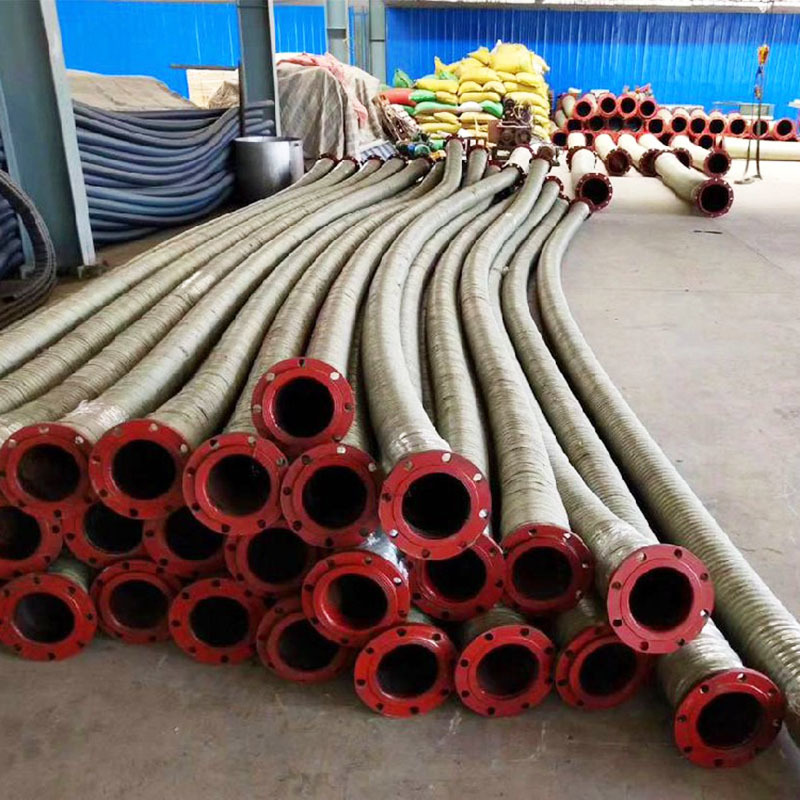
Low pressure rubber hoses are a vital component in various automotive systems, particularly in applications that require flexibility and resistance to environmental factors. These hoses are designed to handle air, water, and a range of low-pressure fluids, making them ideal for various automotive uses. Understanding their composition, functionality, and maintenance can significantly contribute to the efficiency and longevity of automotive systems.
The construction of low pressure rubber hoses typically involves a blend of natural and synthetic rubber materials, designed to provide superior flexibility and durability. The inner lining is often crafted from materials that resist degradation from oils and fluids, while the outer layer offers protection against abrasion, UV light, and ozone exposure. This dual-layer design ensures that low pressure rubber hoses can withstand the rigors of automotive environments, maintaining performance over time.
In automobiles, low pressure rubber hoses are commonly used in fuel systems, coolant systems, and air intake systems. They facilitate the transfer of fluids and gases between various engine components, ensuring smooth operation. For instance, in cooling systems, these hoses help transport coolant from the radiator to the engine and back, preventing overheating and ensuring optimal performance. Similarly, in fuel systems, they connect fuel tanks to engines, allowing for efficient fuel delivery.
When selecting low pressure rubber hoses, professionals should consider several key factors. The operating temperature range is critical, as hoses must maintain integrity under varying thermal conditions. Additionally, compatibility with specific fluids is essential to prevent chemical degradation. The hose diameter and length should also match the specific application requirements to ensure proper flow rates and pressure maintenance.
Maintenance of low pressure rubber hoses is crucial for ensuring their longevity and performance. Regular inspections for signs of wear, such as cracks, bulges, or leaks, can help identify potential failures before they become critical issues. It is also advisable to replace hoses according to the manufacturer's recommendations, as prolonged use can lead to material fatigue. Keeping hoses clean and free from contaminants will further extend their service life and maintain system efficiency.
In summary, low pressure rubber hoses play a significant role in automotive systems, providing essential functionality and flexibility. By understanding their composition, applications, and maintenance requirements, automotive professionals can make informed decisions that enhance performance and reliability in their vehicles. Investing in quality low pressure rubber hoses and adhering to best maintenance practices will ultimately benefit any automotive operation.
The construction of low pressure rubber hoses typically involves a blend of natural and synthetic rubber materials, designed to provide superior flexibility and durability. The inner lining is often crafted from materials that resist degradation from oils and fluids, while the outer layer offers protection against abrasion, UV light, and ozone exposure. This dual-layer design ensures that low pressure rubber hoses can withstand the rigors of automotive environments, maintaining performance over time.
In automobiles, low pressure rubber hoses are commonly used in fuel systems, coolant systems, and air intake systems. They facilitate the transfer of fluids and gases between various engine components, ensuring smooth operation. For instance, in cooling systems, these hoses help transport coolant from the radiator to the engine and back, preventing overheating and ensuring optimal performance. Similarly, in fuel systems, they connect fuel tanks to engines, allowing for efficient fuel delivery.
When selecting low pressure rubber hoses, professionals should consider several key factors. The operating temperature range is critical, as hoses must maintain integrity under varying thermal conditions. Additionally, compatibility with specific fluids is essential to prevent chemical degradation. The hose diameter and length should also match the specific application requirements to ensure proper flow rates and pressure maintenance.
Maintenance of low pressure rubber hoses is crucial for ensuring their longevity and performance. Regular inspections for signs of wear, such as cracks, bulges, or leaks, can help identify potential failures before they become critical issues. It is also advisable to replace hoses according to the manufacturer's recommendations, as prolonged use can lead to material fatigue. Keeping hoses clean and free from contaminants will further extend their service life and maintain system efficiency.
In summary, low pressure rubber hoses play a significant role in automotive systems, providing essential functionality and flexibility. By understanding their composition, applications, and maintenance requirements, automotive professionals can make informed decisions that enhance performance and reliability in their vehicles. Investing in quality low pressure rubber hoses and adhering to best maintenance practices will ultimately benefit any automotive operation.
TAG:

Contact Us
Phone/WhatsApp
Address
Fotai, Duqiao Town, Jing County, Hengshui City, Hebei Province, China
Your One Stop, One Solution!
Each optimal solution is determined by its particular application requirements, design, and installation parameters combined with our experience and know-how on rubber hose technology.
CONTACT US
E-Mail: andy@ydhose.com
Tel.:+86-18732861678
WhatsApp:+8613676932567
Address:Fotai, Duqiao Town, Jing County, Hengshui City, Hebei Province, China


