
Choosing the Right Acid Resistant Rubber Hose for Your Car's Needs: A Comprehensive Guide
Apr 21,2026
Choosing the Right Acid Resistant Rubber Hose for Your Car's Needs
Table of Contents
1. Introduction
2. Understanding Acid Resistant Rubber Hoses
3. Types of Acid Resistant Rubber Hoses
4. Key Factors to Consider When Choosing a Hose
5. Applications of Acid Resistant Rubber Hoses in Vehicles
6. Maintenance Tips for Your Acid Resistant Rubber Hose
7. Common Issues and S
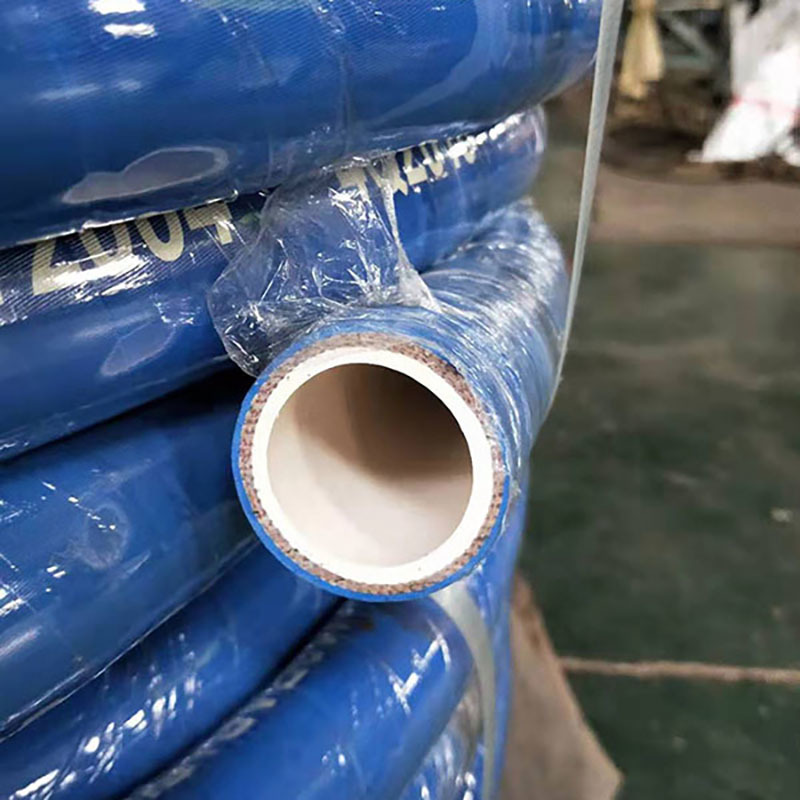
Choosing the Right Acid Resistant Rubber Hose for Your Car's Needs
Table of Contents
- 1. Introduction
- 2. Understanding Acid Resistant Rubber Hoses
- 3. Types of Acid Resistant Rubber Hoses
- 4. Key Factors to Consider When Choosing a Hose
- 5. Applications of Acid Resistant Rubber Hoses in Vehicles
- 6. Maintenance Tips for Your Acid Resistant Rubber Hose
- 7. Common Issues and Solutions
- 8. Frequently Asked Questions
- 9. Conclusion
1. Introduction
Selecting the **right acid-resistant rubber hose** for your vehicle is crucial for ensuring optimal performance and longevity. Whether you are working on a car restoration project or simply need a replacement for a worn-out hose, understanding the critical factors that influence your choice can save you time, money, and frustration down the road. This guide will delve into the specifics of acid-resistant rubber hoses, helping you make informed decisions tailored to your vehicle's requirements.
2. Understanding Acid Resistant Rubber Hoses
Acid-resistant rubber hoses are specifically designed to withstand the corrosive effects of various acids and chemicals. These hoses are essential in applications where exposure to such substances is common, making them indispensable components in automotive systems. Understanding how these hoses are constructed and their resistance properties will help you choose the best option for your needs.
What Makes a Hose Acid Resistant?
The construction of an acid-resistant rubber hose typically involves specialized materials that are formulated to resist degradation. Common materials include:
- **Nitrile rubber**: Known for its excellent resistance to oil and chemicals.
- **EPDM rubber**: Provides outstanding resistance to heat, ozone, and aging.
- **Fluoroelastomers**: Offer top-notch chemical resistance, albeit at a higher cost.
These materials ensure that the hose can handle harsh conditions without compromising performance.
3. Types of Acid Resistant Rubber Hoses
There are several types of acid-resistant rubber hoses available, each suited for specific applications within vehicles. Understanding these types will help you make a more informed choice.
1. Fuel Hoses
These hoses are designed to carry fuel safely, even when exposed to acidic additives. They are often made from nitrile rubber for maximum chemical resistance.
2. Brake Hoses
Brake hoses must endure high pressure and exposure to brake fluid, which can be acidic over time. These hoses are typically reinforced to withstand the stresses involved in braking systems.
3. Cooling System Hoses
In the cooling system, hoses transport coolant, which can be acidic under certain conditions. It is vital to select hoses made from materials that resist degradation from hot, acidic fluids.
4. Exhaust Hoses
Exhaust hoses are exposed to corrosive gases that can be acidic, especially if there are issues with the combustion process. Choosing a hose that can withstand these conditions is crucial for vehicle longevity.
4. Key Factors to Consider When Choosing a Hose
When selecting an acid-resistant rubber hose, several factors come into play that can significantly impact your choice.
1. Chemical Compatibility
Assess the specific acids and chemicals the hose will be exposed to. Ensure the chosen material has a proven track record of compatibility with these substances to prevent premature failure.
2. Temperature and Pressure Ratings
Hoses must be rated for the temperature and pressure they will encounter. Always refer to the manufacturer's specifications to ensure that the hose can handle the operational conditions it will face.
3. Size and Diameter
The inner diameter of the hose must match the fittings in your vehicle. A proper fit is necessary for optimal flow and to avoid leaks.
4. Length and Flexibility
Consider the required length of the hose and its flexibility. While some applications may need longer hoses, others may require flexibility to navigate tight spaces.
5. Reinforcement
For high-pressure applications, look for hoses with internal reinforcement. This added strength helps prevent bursts and extends the hose's lifespan.
5. Applications of Acid Resistant Rubber Hoses in Vehicles
Acid-resistant rubber hoses find applications across a variety of vehicle systems. Here are some common uses:
1. Fuel Systems
In fuel systems, these hoses ensure that the fuel remains uncontaminated by acids, providing reliable performance.
2. Brake Systems
Brake hoses are critical for safety. Acid-resistant materials ensure that they do not degrade over time, maintaining reliable braking performance.
3. Cooling Systems
In cooling systems, acid-resistant hoses prevent leaks and failures caused by hot coolant, protecting the engine from overheating.
4. Exhaust Systems
For exhaust systems, these hoses help manage the flow of gases, ensuring that corrosive substances do not damage other components.
6. Maintenance Tips for Your Acid Resistant Rubber Hose
To ensure your acid-resistant rubber hose lasts as long as possible, follow these maintenance tips:
1. Regular Inspections
Conduct regular inspections for signs of wear and tear, such as cracks or discoloration. Early detection can prevent more significant issues down the line.
2. Proper Cleaning
Use appropriate cleaners that won't damage the hose material. Avoid using harsh chemicals that can degrade the rubber.
3. Correct Installation
Ensure that hoses are installed correctly, avoiding kinks and bends that can weaken the material.
4. Replace Worn Hoses Promptly
If a hose shows signs of damage, replace it immediately to maintain the integrity of your vehicle's systems.
7. Common Issues and Solutions
Understanding common issues related to acid-resistant rubber hoses can help you troubleshoot effectively.
1. Leaks
Leaking hoses can be caused by improper installation or wear. Check fittings and replace any damaged hoses promptly.
2. Cracking
Cracking may occur due to exposure to extreme temperatures or chemicals. Regular inspections can help catch this issue early.
3. Discoloration
Discoloration can indicate chemical degradation. If you notice this, consider replacing the hose to avoid potential failures.
8. Frequently Asked Questions
1. How often should I replace my acid-resistant rubber hose?
It is advisable to inspect your hoses every six months and replace them if you notice any signs of wear, such as cracks or leaks.
2. Can I use a standard rubber hose for acid applications?
No, standard rubber hoses may not withstand the corrosive effects of acids. Always opt for acid-resistant hoses for such applications.
3. What is the lifespan of an acid-resistant rubber hose?
The lifespan can vary based on usage, temperature, and chemical exposure, but high-quality acid-resistant hoses can last several years with proper maintenance.
4. Are there specific brands recommended for acid-resistant hoses?
Many reputable brands manufacture acid-resistant hoses. Look for those with a history of reliability in automotive applications, such as Gates or Goodyear.
5. How do I know if my hose is acid-resistant?
Check for labels or specifications from the manufacturer that indicate chemical resistance. Always consult product data sheets for confirmation.
9. Conclusion
Choosing the right acid-resistant rubber hose for your vehicle is vital for maintaining performance and extending the life of your automotive systems. By understanding the materials, types, and factors that influence your selection, you can make informed decisions that will benefit your vehicle in the long run. Follow the maintenance tips provided and stay vigilant about inspecting your hoses to ensure they continue to perform at their best. With the right hose, you can enjoy peace of mind knowing your vehicle is equipped to handle whatever challenges it may face on the road.
TAG:

Contact Us
Phone/WhatsApp
Address
Fotai, Duqiao Town, Jing County, Hengshui City, Hebei Province, China
Your One Stop, One Solution!
Each optimal solution is determined by its particular application requirements, design, and installation parameters combined with our experience and know-how on rubber hose technology.
CONTACT US
E-Mail: andy@ydhose.com
Tel.:+86-18732861678
WhatsApp:+8613676932567
Address:Fotai, Duqiao Town, Jing County, Hengshui City, Hebei Province, China


