
The Importance of Wire Reinforced Rubber Hoses in Your Car’s Fluid Transfer
Apr 19,2026
The Importance of Wire Reinforced Rubber Hoses in Your Car’s Fluid Transfer
Table of Contents
Introduction to Wire Reinforced Rubber Hoses
What Are Wire Reinforced Rubber Hoses?
Benefits of Wire Reinforced Hoses in Fluid Transfer
Applications of Wire Reinforced Rubber Hoses in Automobiles
Durability and Performance of Wire Reinforced Hoses
Maintenance Tips for Wire Reinforced Rubber H
The Importance of Wire Reinforced Rubber Hoses in Your Car’s Fluid Transfer
Table of Contents
- Introduction to Wire Reinforced Rubber Hoses
- What Are Wire Reinforced Rubber Hoses?
- Benefits of Wire Reinforced Hoses in Fluid Transfer
- Applications of Wire Reinforced Rubber Hoses in Automobiles
- Durability and Performance of Wire Reinforced Hoses
- Maintenance Tips for Wire Reinforced Rubber Hoses
- Common Issues with Wire Reinforced Hoses and Their Solutions
- Conclusion: Ensuring Your Vehicle’s Efficiency
- Frequently Asked Questions
Introduction to Wire Reinforced Rubber Hoses
Wire reinforced rubber hoses are integral components in a vehicle's fluid transfer system. They serve a variety of critical functions, from carrying coolant to transferring fuel and oil. Understanding their importance is essential for ensuring the longevity, safety, and efficiency of your car. This article delves into the characteristics, benefits, and maintenance of wire reinforced rubber hoses, helping you appreciate their role in fluid dynamics within your vehicle.
What Are Wire Reinforced Rubber Hoses?
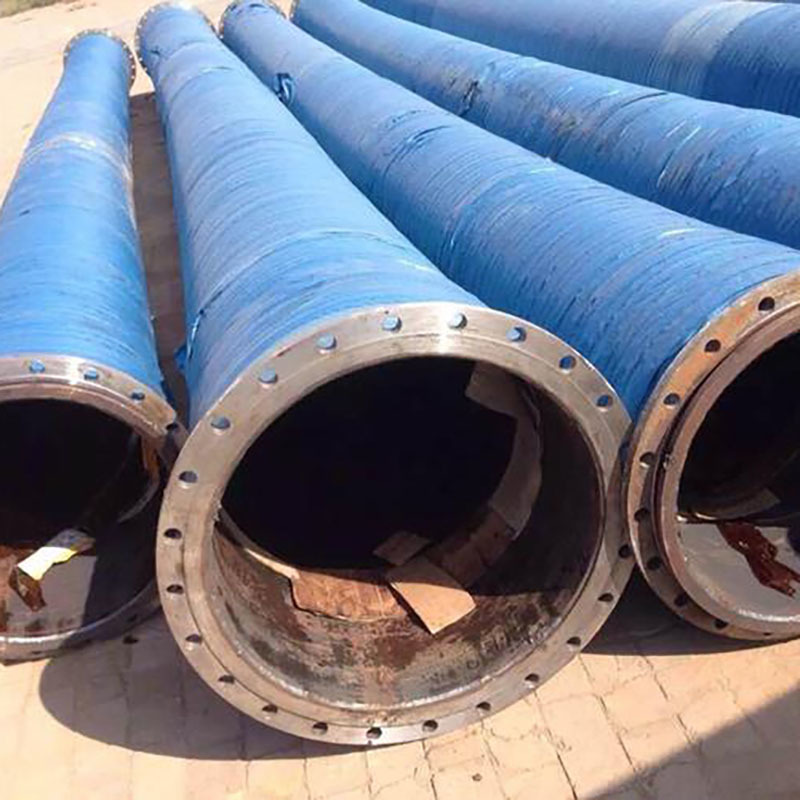
Wire reinforced rubber hoses are flexible tubes made of rubber and reinforced with metal wire. This reinforcement provides added strength and pressure resistance, making them ideal for high-pressure applications. The construction typically consists of multiple layers: an inner rubber layer, a reinforcement layer of wire, and an outer rubber layer. This design allows the hose to withstand extreme temperature changes, pressure variations, and environmental factors that could affect its performance.
Benefits of Wire Reinforced Hoses in Fluid Transfer
1. Enhanced Strength and Durability
One of the primary benefits of wire reinforced rubber hoses is their enhanced strength. The metal wire reinforcement prevents the hose from collapsing under pressure, ensuring a stable flow of fluids. This durability is essential for maintaining consistent performance in high-demand environments.
2. Resistance to Temperature Fluctuations
Wire reinforced rubber hoses can endure a wide range of temperatures, making them suitable for various applications in automotive systems. Whether it’s extremely hot engine coolant or cold fuel, these hoses maintain their integrity, ensuring safe fluid transfer.
3. Flexibility and Ease of Installation
Despite their strength, these hoses remain flexible, allowing for easy installation in tight spaces. The adaptability of wire reinforced hoses makes them ideal for complex automotive layouts where conventional hoses may not fit.
4. Corrosion Resistance
Many wire reinforced rubber hoses are designed to resist corrosion from chemicals and environmental factors. This property extends the lifespan of the hoses, reducing the frequency of replacements and maintenance efforts.
Applications of Wire Reinforced Rubber Hoses in Automobiles
Wire reinforced rubber hoses are utilized in several applications within vehicles, including but not limited to:
1. Cooling System
In the cooling system, these hoses transport coolant between the engine and the radiator. Their ability to withstand high temperature and pressure makes them vital for preventing overheating.
2. Fuel Systems
Wire reinforced rubber hoses are also used in fuel systems to deliver gasoline or diesel to the engine. Their strength ensures that they can handle the pressures associated with modern fuel injection systems.
3. Hydraulic Systems
In vehicles equipped with hydraulic brakes or steering, wire reinforced hoses provide the necessary pressure transfer, ensuring optimal performance and safety.
4. Air Conditioning Systems
These hoses are used in air conditioning systems to move refrigerant efficiently. The ability to resist extreme temperatures and pressures is crucial for maintaining comfort inside the vehicle.
Durability and Performance of Wire Reinforced Hoses
The construction of wire reinforced rubber hoses contributes significantly to their durability and overall performance. They can endure constant flexing and twisting without compromising their structural integrity. Factors such as the type of rubber, the gauge of the wire reinforcement, and the overall design all influence the hose's performance under varying conditions.
Longevity and Reliability
With proper installation and maintenance, wire reinforced rubber hoses can last significantly longer than standard rubber hoses. This longevity reduces the need for frequent replacements, ultimately saving time and money for vehicle owners.
Maintenance Tips for Wire Reinforced Rubber Hoses
To ensure the optimal performance and longevity of wire reinforced rubber hoses, consider the following maintenance tips:
1. Regular Inspections
Conduct routine inspections to check for signs of wear and tear, such as cracks, bulges, or leaks. Early detection can prevent more significant issues down the line.
2. Cleanliness
Keep the hoses clean and free from debris. Contaminants can affect performance and lead to premature failure.
3. Proper Installation
Ensure that hoses are installed correctly, with appropriate clamps and fittings. Poor installation can lead to leaks and reduced efficiency.
4. Monitor Fluid Levels
Regularly check fluid levels in the systems the hoses are connected to. Low fluid levels can cause hoses to operate under conditions they are not designed for.
Common Issues with Wire Reinforced Hoses and Their Solutions
While wire reinforced rubber hoses are designed to be durable, they can still encounter issues over time. Here are some common problems and how to address them:
1. Cracks and Wear
Cracks can develop due to exposure to extreme temperatures and environmental factors. Regular inspections are essential. Replace any damaged hoses immediately to prevent leaks.
2. Leaks
Leaks can occur at the fittings or within the hose itself. Tightening fittings may resolve minor leaks, but significant leaks often require hose replacement.
3. Kinks and Twists
Kinks can restrict fluid flow and create pressure buildup. Proper routing and using the correct hose lengths can minimize this issue.
Conclusion: Ensuring Your Vehicle’s Efficiency
Wire reinforced rubber hoses play an essential role in the efficient operation of your vehicle's fluid transfer systems. Their strength, flexibility, and resistance to various environmental factors make them a superior choice for automotive applications. Proper maintenance and timely inspections can extend the lifespan of these hoses, ensuring your vehicle runs smoothly and efficiently. By understanding the importance of wire reinforced rubber hoses, vehicle owners can make informed decisions that enhance performance and safety on the road.
Frequently Asked Questions
1. How often should I replace wire reinforced rubber hoses?
It is recommended to inspect hoses every 6 months and replace them if any signs of wear, such as cracks or leaks, are observed.
2. Can I use standard rubber hoses instead of wire reinforced ones?
Standard rubber hoses may not withstand high pressure or temperature as effectively as wire reinforced hoses, making them unsuitable for certain applications.
3. What are the signs of a failing wire reinforced rubber hose?
Signs include visible cracks, bulges, leaks, or a drop in fluid levels in the system they serve.
4. Are wire reinforced rubber hoses more expensive than standard hoses?
Yes, wire reinforced hoses typically cost more due to their enhanced durability and performance capabilities. However, their longevity can make them more cost-effective in the long run.
5. Where can I buy wire reinforced rubber hoses?
Wire reinforced rubber hoses are available at automotive supply stores, online retailers, and directly from manufacturers specializing in automotive components.
TAG:
PREVIOUS:

Contact Us
Phone/WhatsApp
Address
Fotai, Duqiao Town, Jing County, Hengshui City, Hebei Province, China
Your One Stop, One Solution!
Each optimal solution is determined by its particular application requirements, design, and installation parameters combined with our experience and know-how on rubber hose technology.
CONTACT US
E-Mail: andy@ydhose.com
Tel.:+86-18732861678
WhatsApp:+8613676932567
Address:Fotai, Duqiao Town, Jing County, Hengshui City, Hebei Province, China


