
Understanding Low Pressure Rubber Hose: Key Features and Applications
Apr 16,2026
Low pressure rubber hoses are critical components in various automotive applications, designed to transport fluids under low-pressure conditions. These hoses are made from a combination of natural and synthetic rubber compounds, offering flexibility, durability, and resistance to various environmental factors. Understanding the characteristics and applications of low pressure rubber hoses can help
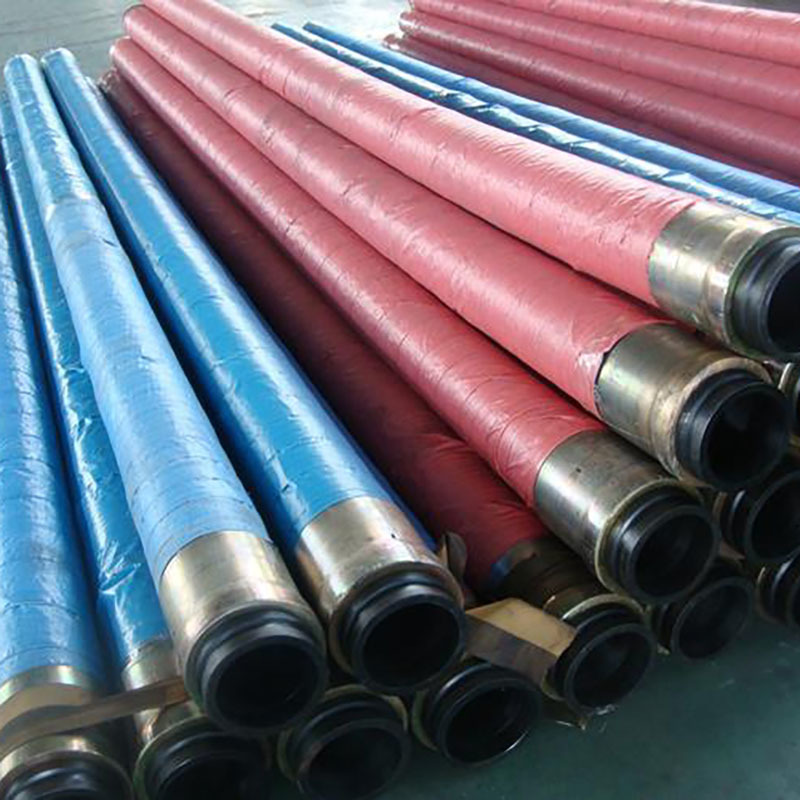
Low pressure rubber hoses are critical components in various automotive applications, designed to transport fluids under low-pressure conditions. These hoses are made from a combination of natural and synthetic rubber compounds, offering flexibility, durability, and resistance to various environmental factors. Understanding the characteristics and applications of low pressure rubber hoses can help you choose the right product for your specific requirements.
One of the primary features of low pressure rubber hoses is their ability to withstand a range of temperatures and pressures. Typically, these hoses are designed to handle pressures up to 150 psi, making them suitable for applications where high pressure is not a concern. The flexibility of rubber is another significant advantage, allowing for easy installation and routing in tight spaces within vehicles.
The construction of low pressure rubber hoses often includes several layers. The inner layer is typically made of rubber that is resistant to abrasion and corrosive fluids. This is crucial for hoses that may come into contact with oils, fuels, or other chemicals. The outer layer is designed to provide additional protection against environmental factors such as UV rays, ozone, and extreme temperatures. The combination of these materials ensures that the hoses maintain their integrity over time, even in harsh conditions.
In the automotive industry, low pressure rubber hoses are commonly used in various systems, including fuel delivery, coolant circulation, and air intake lines. For instance, fuel hoses need to be compatible with different types of fuels and should prevent leaks that could lead to dangerous situations. Coolant hoses play a vital role in maintaining engine temperature, ensuring that the vehicle operates within optimal thermal limits.
Moreover, low pressure rubber hoses can also be found in non-automotive applications such as agricultural machinery, construction equipment, and industrial machinery. Their versatility makes them an excellent choice for any situation requiring a reliable, low-pressure fluid transport solution.
When selecting a low pressure rubber hose, it is essential to consider factors such as the working environment, the type of fluids to be transported, and the temperature range. Additionally, ensuring proper fittings and connections will enhance the hose's performance and longevity. Regular maintenance, including inspections for signs of wear and tear, can prevent unexpected failures and prolong the life of your hoses.
In conclusion, low pressure rubber hoses are indispensable in various applications across the automotive and industrial sectors. Their unique properties and robust construction make them ideal for transporting fluids under low-pressure conditions. By understanding their features and applications, you can make well-informed decisions to ensure your systems operate efficiently and safely.
One of the primary features of low pressure rubber hoses is their ability to withstand a range of temperatures and pressures. Typically, these hoses are designed to handle pressures up to 150 psi, making them suitable for applications where high pressure is not a concern. The flexibility of rubber is another significant advantage, allowing for easy installation and routing in tight spaces within vehicles.
The construction of low pressure rubber hoses often includes several layers. The inner layer is typically made of rubber that is resistant to abrasion and corrosive fluids. This is crucial for hoses that may come into contact with oils, fuels, or other chemicals. The outer layer is designed to provide additional protection against environmental factors such as UV rays, ozone, and extreme temperatures. The combination of these materials ensures that the hoses maintain their integrity over time, even in harsh conditions.
In the automotive industry, low pressure rubber hoses are commonly used in various systems, including fuel delivery, coolant circulation, and air intake lines. For instance, fuel hoses need to be compatible with different types of fuels and should prevent leaks that could lead to dangerous situations. Coolant hoses play a vital role in maintaining engine temperature, ensuring that the vehicle operates within optimal thermal limits.
Moreover, low pressure rubber hoses can also be found in non-automotive applications such as agricultural machinery, construction equipment, and industrial machinery. Their versatility makes them an excellent choice for any situation requiring a reliable, low-pressure fluid transport solution.
When selecting a low pressure rubber hose, it is essential to consider factors such as the working environment, the type of fluids to be transported, and the temperature range. Additionally, ensuring proper fittings and connections will enhance the hose's performance and longevity. Regular maintenance, including inspections for signs of wear and tear, can prevent unexpected failures and prolong the life of your hoses.
In conclusion, low pressure rubber hoses are indispensable in various applications across the automotive and industrial sectors. Their unique properties and robust construction make them ideal for transporting fluids under low-pressure conditions. By understanding their features and applications, you can make well-informed decisions to ensure your systems operate efficiently and safely.
TAG:
PREVIOUS:

Contact Us
Phone/WhatsApp
Address
Fotai, Duqiao Town, Jing County, Hengshui City, Hebei Province, China
Your One Stop, One Solution!
Each optimal solution is determined by its particular application requirements, design, and installation parameters combined with our experience and know-how on rubber hose technology.
CONTACT US
E-Mail: andy@ydhose.com
Tel.:+86-18732861678
WhatsApp:+8613676932567
Address:Fotai, Duqiao Town, Jing County, Hengshui City, Hebei Province, China


