
Understanding Hydraulic Support Hoses: Essential Insights for Automotive Professionals
Apr 12,2026
Hydraulic support hoses are critical components in various automotive applications, particularly in systems that require the transfer of hydraulic fluids under pressure. These hoses are engineered to withstand high pressures and temperatures, making them indispensable for the safe and efficient operation of hydraulic systems in vehicles.
One of the primary functions of hydraulic support hoses is t
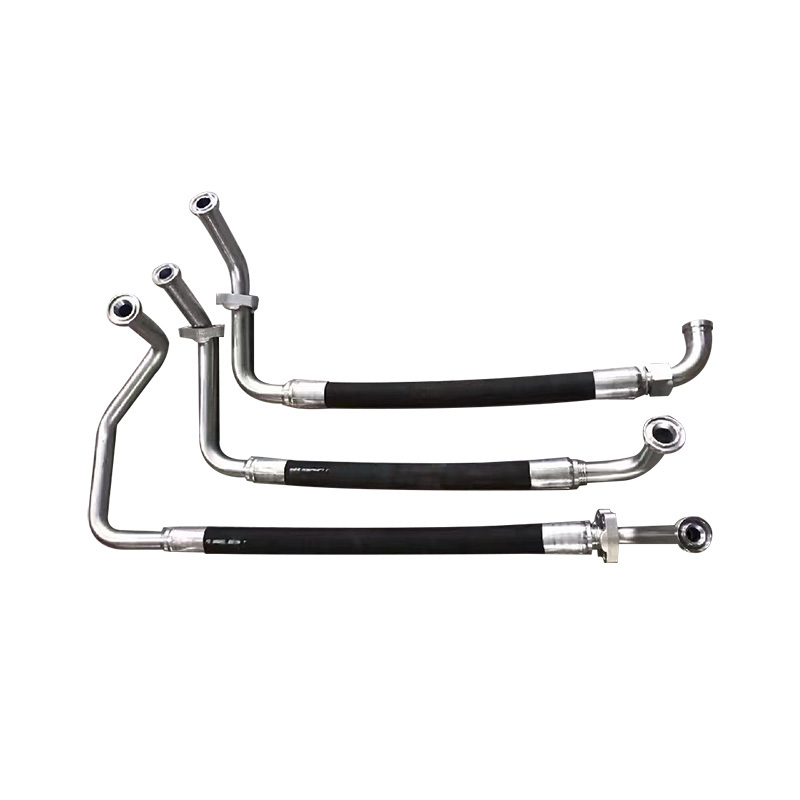
Hydraulic support hoses are critical components in various automotive applications, particularly in systems that require the transfer of hydraulic fluids under pressure. These hoses are engineered to withstand high pressures and temperatures, making them indispensable for the safe and efficient operation of hydraulic systems in vehicles.
One of the primary functions of hydraulic support hoses is to facilitate the movement of hydraulic fluid between components, such as pumps, actuators, and valves. This fluid power enables crucial operations, including steering, braking, and lifting mechanisms. The durability and reliability of hydraulic hoses are vital, as any failure can lead to system malfunctions, posing safety risks and increased operational costs.
When selecting hydraulic support hoses, several factors must be considered. First, understanding the specific application and its requirements is essential. Different environments may demand hoses with various temperature ranges, chemical resistances, and pressure ratings. Additionally, the hose's construction material plays a significant role in its performance. Common materials include rubber and reinforced synthetic compounds, each offering unique advantages regarding flexibility, resistance to wear and tear, and overall lifespan.
Maintenance of hydraulic support hoses is equally important. Regular inspections for signs of wear, such as cracks, abrasions, or deformation, can prevent unexpected failures. It is advisable to check the hose connections and fittings to ensure they are secure and free from leaks. Implementing a routine maintenance schedule can significantly extend the lifespan of these components and improve system reliability.
Moreover, professionals should be aware of the common practices in the installation of hydraulic hoses. Proper routing is crucial to avoid kinks or sharp bends that may lead to premature failure. Using the correct fittings and clamps is also essential to ensure a leak-free connection. Additionally, maintaining the correct hydraulic fluid levels and using the appropriate fluid type can enhance the efficiency of the hydraulic system.
In summary, hydraulic support hoses are indispensable in the automotive industry, providing essential fluid transfer capabilities that enable various vehicle operations. Understanding their application, maintenance, and proper installation can significantly impact the performance and safety of hydraulic systems. For automotive professionals, investing in knowledge about hydraulic support hoses not only enhances operational efficiency but also promotes a safer working environment. By prioritizing the selection and maintenance of these components, you can ensure the longevity and reliability of your hydraulic systems.
One of the primary functions of hydraulic support hoses is to facilitate the movement of hydraulic fluid between components, such as pumps, actuators, and valves. This fluid power enables crucial operations, including steering, braking, and lifting mechanisms. The durability and reliability of hydraulic hoses are vital, as any failure can lead to system malfunctions, posing safety risks and increased operational costs.
When selecting hydraulic support hoses, several factors must be considered. First, understanding the specific application and its requirements is essential. Different environments may demand hoses with various temperature ranges, chemical resistances, and pressure ratings. Additionally, the hose's construction material plays a significant role in its performance. Common materials include rubber and reinforced synthetic compounds, each offering unique advantages regarding flexibility, resistance to wear and tear, and overall lifespan.
Maintenance of hydraulic support hoses is equally important. Regular inspections for signs of wear, such as cracks, abrasions, or deformation, can prevent unexpected failures. It is advisable to check the hose connections and fittings to ensure they are secure and free from leaks. Implementing a routine maintenance schedule can significantly extend the lifespan of these components and improve system reliability.
Moreover, professionals should be aware of the common practices in the installation of hydraulic hoses. Proper routing is crucial to avoid kinks or sharp bends that may lead to premature failure. Using the correct fittings and clamps is also essential to ensure a leak-free connection. Additionally, maintaining the correct hydraulic fluid levels and using the appropriate fluid type can enhance the efficiency of the hydraulic system.
In summary, hydraulic support hoses are indispensable in the automotive industry, providing essential fluid transfer capabilities that enable various vehicle operations. Understanding their application, maintenance, and proper installation can significantly impact the performance and safety of hydraulic systems. For automotive professionals, investing in knowledge about hydraulic support hoses not only enhances operational efficiency but also promotes a safer working environment. By prioritizing the selection and maintenance of these components, you can ensure the longevity and reliability of your hydraulic systems.
TAG:

Contact Us
Phone/WhatsApp
Address
Fotai, Duqiao Town, Jing County, Hengshui City, Hebei Province, China
Your One Stop, One Solution!
Each optimal solution is determined by its particular application requirements, design, and installation parameters combined with our experience and know-how on rubber hose technology.
CONTACT US
E-Mail: andy@ydhose.com
Tel.:+86-18732861678
WhatsApp:+8613676932567
Address:Fotai, Duqiao Town, Jing County, Hengshui City, Hebei Province, China


