
How Acid Resistant Rubber Hoses Enhance Durability in Automotive Systems
Apr 11,2026
How Acid Resistant Rubber Hoses Enhance Durability in Automotive Systems
Table of Contents
Introduction
Understanding Acid Resistant Rubber Hoses
Importance of Durability in Automotive Systems
Advantages of Acid Resistant Rubber Hoses
Chemical Resistance
Temperature Resistance
Flexibility and Maneuverability
Long-term Cost S
How Acid Resistant Rubber Hoses Enhance Durability in Automotive Systems
Table of Contents
- Introduction
- Understanding Acid Resistant Rubber Hoses
- Importance of Durability in Automotive Systems
- Advantages of Acid Resistant Rubber Hoses
- Applications of Acid Resistant Rubber Hoses in Automotive Systems
- Maintenance and Care for Rubber Hoses
- Safety Considerations with Acid Resistant Hoses
- Conclusion
- FAQs
Introduction
In the ever-evolving world of automotive engineering, the materials used within vehicle systems play a vital role in performance, safety, and longevity. **Acid-resistant rubber hoses** have emerged as a critical component in many automotive applications, particularly in environments where exposure to corrosive substances is prevalent. These specialized hoses offer unparalleled durability, ensuring that automotive systems operate efficiently under extreme conditions. This article delves deep into the advantages and applications of acid-resistant rubber hoses, exploring how they enhance durability in automotive systems.
Understanding Acid Resistant Rubber Hoses
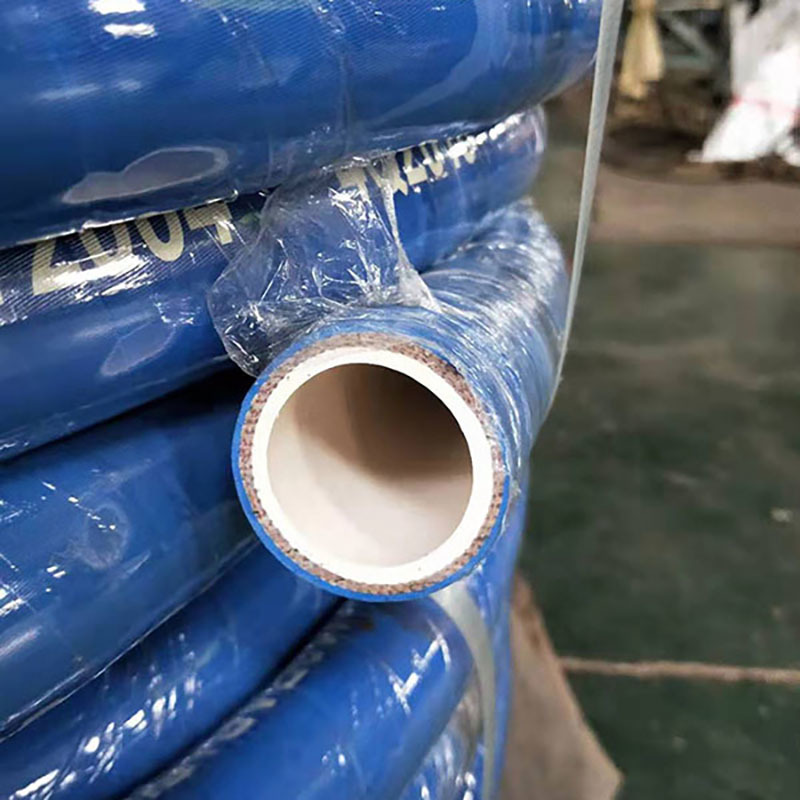
Acid-resistant rubber hoses are engineered to withstand harsh chemical environments. Unlike standard rubber hoses, which can degrade when exposed to acids and other corrosive substances, these specialized hoses maintain integrity over time. **Manufacturers utilize advanced materials** and techniques to create hoses that resist chemical reactions, thereby preventing leaks and failures that could compromise vehicle performance.
Composition and Manufacturing
The composition of acid-resistant rubber hoses often includes synthetic rubber compounds, such as EPDM (Ethylene Propylene Diene Monomer) and FKM (Fluorocarbon Rubber), which are known for their durability and stability under extreme conditions. The manufacturing process involves **careful blending of these materials** to ensure that the hoses can endure not only acidic environments but also extreme temperature fluctuations.
Importance of Durability in Automotive Systems
Durability in automotive systems is paramount for several reasons. First and foremost, it directly affects the safety and reliability of vehicles. Components that can withstand wear and tear reduce the likelihood of breakdowns, which is essential for maintaining **vehicle performance** and safety standards.
Impact on Vehicle Performance
A vehicle's performance can be significantly impacted by the quality of its components. Durable parts, such as acid-resistant hoses, ensure that fluids circulate properly, helping maintain engine temperature and pressure. This contributes to **optimal engine performance**, improved fuel efficiency, and ultimately, a better driving experience.
Cost Implications
Investing in durable components can lead to substantial cost savings over time. Vehicles equipped with high-quality parts experience fewer repairs and replacements, reducing overall maintenance costs. Acid-resistant rubber hoses, with their extended lifespan, represent a smart investment for both vehicle manufacturers and owners.
Advantages of Acid Resistant Rubber Hoses
Acid-resistant rubber hoses offer numerous advantages that set them apart from standard rubber hoses. Understanding these benefits is crucial for automotive professionals and enthusiasts alike.
Chemical Resistance
One of the most significant advantages of acid-resistant rubber hoses is their ability to withstand exposure to a wide range of chemicals. This resistance is critical for automotive systems that handle **corrosive fluids**, such as battery acid or coolant. By preventing degradation, these hoses contribute to the longevity of the entire system.
Temperature Resistance
In addition to chemical resistance, acid-resistant rubber hoses are designed to endure extreme temperatures. Whether it's the high heat generated by an engine or the cold conditions of winter, these hoses maintain their performance without cracking or failing. This ensures that automotive systems remain operational regardless of environmental conditions.
Flexibility and Maneuverability
The flexibility of acid-resistant rubber hoses is another key benefit. Their design allows for easy installation in tight spaces and intricate configurations. This is particularly important in modern vehicles, where space is often limited. **Flexible hoses** can absorb vibrations and movement, reducing stress on connected components.
Long-term Cost Savings
While the initial investment in acid-resistant rubber hoses may be higher than that of standard hoses, the long-term savings can be significant. Fewer replacements and reduced maintenance costs contribute to a more economical choice over time, making these hoses a smart option for vehicle owners and manufacturers.
Applications of Acid Resistant Rubber Hoses in Automotive Systems
Acid-resistant rubber hoses find applications across various automotive systems, each benefiting from their unique properties.
Cooling Systems
In automotive cooling systems, rubber hoses transport coolant from the radiator to the engine. The acidic nature of some coolants makes acid-resistant hoses essential to prevent degradation and leaks, ensuring efficient engine cooling.
Fuel Systems
Certain fuel systems utilize corrosive additives to enhance performance. Acid-resistant rubber hoses ensure that these systems operate smoothly while preventing any adverse reactions that could lead to failures.
Air Conditioning Systems
Air conditioning systems often contain refrigerants that can be corrosive over time. Using acid-resistant rubber hoses helps maintain the integrity of these systems, ensuring that vehicles remain comfortable under varying weather conditions.
Brake Systems
The brake system is critical for vehicle safety. Here, acid-resistant hoses are vital, especially when dealing with brake fluids that can be highly corrosive. These hoses help ensure that the brake system functions reliably, contributing to overall safety.
Maintenance and Care for Rubber Hoses
To maximize the lifespan and performance of acid-resistant rubber hoses, regular maintenance and care are essential.
Regular Inspections
Performing regular inspections of rubber hoses should be a part of every vehicle maintenance routine. Look for signs of wear, such as cracks or bulges, and replace hoses that show signs of deterioration.
Proper Installation
Ensuring that hoses are installed correctly is crucial for their performance. Improper installation can lead to leaks or damage. Always follow manufacturer guidelines and use the appropriate tools for installation.
Cleaning and Storage
When not in use, ensure that hoses are cleaned and stored properly. Keeping them free from contaminants and harsh conditions will help maintain their integrity over time.
Safety Considerations with Acid Resistant Hoses
While acid-resistant rubber hoses provide numerous benefits, it's important to consider safety as well.
Handling and Installation Precautions
When handling acid-resistant hoses, always wear appropriate protective gear, including gloves and goggles. Follow all safety protocols during installation to minimize the risk of accidents or injuries.
Monitoring for Failures
Regularly monitor hoses for any signs of leaks or failures, especially in critical systems like brakes and cooling. Immediate action should be taken if any issues are detected to prevent potential accidents.
Conclusion
Acid-resistant rubber hoses play a critical role in enhancing the durability and performance of automotive systems. Their unique properties—such as chemical resistance, temperature resilience, and flexibility—make them indispensable in various applications, from cooling to brake systems. By investing in these specialized hoses, automotive professionals and vehicle owners can ensure safety, reliability, and long-term cost savings. As the automotive industry continues to evolve, the importance of high-quality components like acid-resistant rubber hoses cannot be overstated.
FAQs
1. What are acid-resistant rubber hoses made of?
Acid-resistant rubber hoses are typically made from synthetic rubber compounds like EPDM and FKM, which offer high chemical and temperature resistance.
2. How do I know if my rubber hoses need to be replaced?
Signs of wear, such as cracks, bulges, or leaks, indicate that hoses may need replacement. Regular inspections are crucial for identifying these issues.
3. Can I use standard rubber hoses instead of acid-resistant ones?
Using standard rubber hoses in applications involving corrosive substances can lead to premature failure. It is advisable to use acid-resistant hoses in such cases.
4. What are the benefits of using acid-resistant hoses in automotive cooling systems?
Acid-resistant hoses prevent degradation from corrosive coolants, ensuring efficient engine cooling and reducing the risk of leaks.
5. How should acid-resistant rubber hoses be maintained?
Regular inspections, proper installation, and careful cleaning and storage are essential for maintaining the performance and lifespan of acid-resistant rubber hoses.
TAG:
PREVIOUS:

Contact Us
Phone/WhatsApp
Address
Fotai, Duqiao Town, Jing County, Hengshui City, Hebei Province, China
Your One Stop, One Solution!
Each optimal solution is determined by its particular application requirements, design, and installation parameters combined with our experience and know-how on rubber hose technology.
CONTACT US
E-Mail: andy@ydhose.com
Tel.:+86-18732861678
WhatsApp:+8613676932567
Address:Fotai, Duqiao Town, Jing County, Hengshui City, Hebei Province, China


