
Understanding Large Diameter Rubber Hoses: Essential Insights for Automotive Professionals
Apr 08,2026
Large diameter rubber hoses play a critical role in various automotive applications, particularly in the transportation of fluids and gases. Their size and flexibility make them ideal for high-volume systems where standard hoses may be inadequate. In the automotive sector, professionals must understand the specific characteristics and advantages these hoses offer to ensure optimal performance and
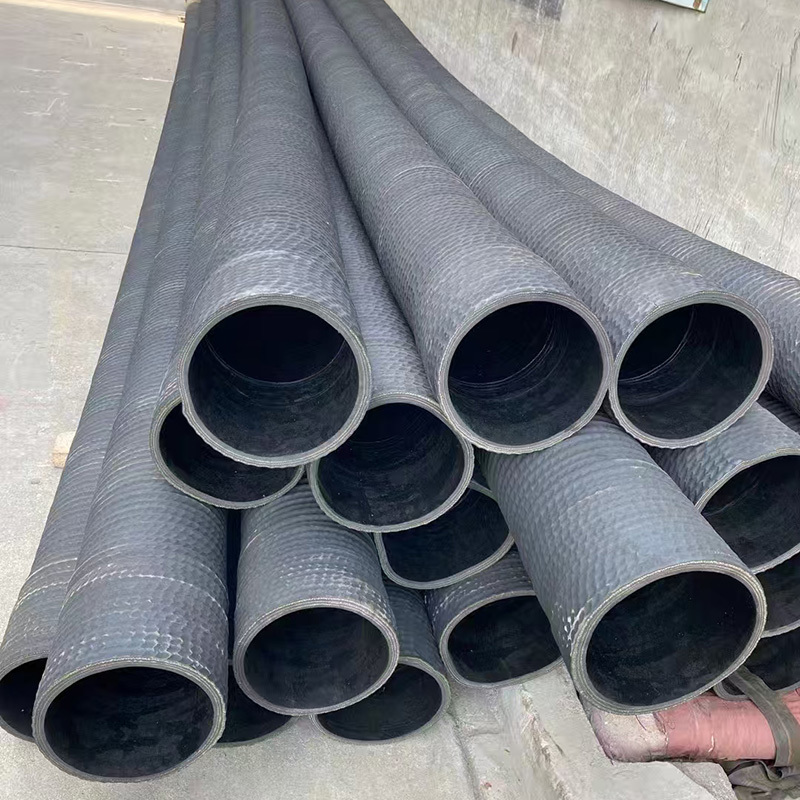
Large diameter rubber hoses play a critical role in various automotive applications, particularly in the transportation of fluids and gases. Their size and flexibility make them ideal for high-volume systems where standard hoses may be inadequate. In the automotive sector, professionals must understand the specific characteristics and advantages these hoses offer to ensure optimal performance and safety in their applications.
One of the primary benefits of large diameter rubber hoses is their ability to handle a substantial flow rate. This is particularly useful in systems such as coolant transport, fuel delivery, and air intake, where efficient flow is crucial for engine performance. The elasticity of rubber also allows these hoses to withstand vibrations and movement without compromising their structural integrity, making them an excellent choice for dynamic automotive environments.
When selecting a large diameter rubber hose, several factors should be considered. First, the hose's temperature and pressure ratings are vital, as they determine the types of fluids it can safely transport. Most rubber hoses are engineered to handle a specific range of temperatures and pressures, which can vary based on the hose's construction and materials. It's important to match these specifications with the intended application to avoid potential failures.
Additionally, the chemical compatibility of the hose material with the fluids it will be carrying is essential. Different rubber compounds offer varying degrees of resistance to oils, fuels, and other chemicals. Automotive professionals should consult technical data sheets to ensure the selected hose will not degrade or fail when in contact with specific substances.
Proper installation and maintenance of large diameter rubber hoses are crucial for their longevity and reliability. Hoses should be installed with the appropriate fittings and clamps to prevent leaks and ensure a secure connection. Regular inspection for signs of wear, such as cracks, bulges, or abrasions, can help identify potential issues before they lead to catastrophic failures.
Moreover, the environment where the hose operates can significantly impact its lifespan. Exposure to UV light, extreme temperatures, and abrasive materials can accelerate degradation. Therefore, selecting a hose designed for specific environmental conditions is advisable for optimal performance.
In conclusion, large diameter rubber hoses are indispensable components in the automotive industry, providing efficient fluid and gas transport capabilities. Understanding their features, applications, and maintenance needs can help automotive professionals make informed decisions, ensuring vehicle reliability and safety. Investing time in selecting the right hose and maintaining it properly will pay dividends in terms of performance and durability.
One of the primary benefits of large diameter rubber hoses is their ability to handle a substantial flow rate. This is particularly useful in systems such as coolant transport, fuel delivery, and air intake, where efficient flow is crucial for engine performance. The elasticity of rubber also allows these hoses to withstand vibrations and movement without compromising their structural integrity, making them an excellent choice for dynamic automotive environments.
When selecting a large diameter rubber hose, several factors should be considered. First, the hose's temperature and pressure ratings are vital, as they determine the types of fluids it can safely transport. Most rubber hoses are engineered to handle a specific range of temperatures and pressures, which can vary based on the hose's construction and materials. It's important to match these specifications with the intended application to avoid potential failures.
Additionally, the chemical compatibility of the hose material with the fluids it will be carrying is essential. Different rubber compounds offer varying degrees of resistance to oils, fuels, and other chemicals. Automotive professionals should consult technical data sheets to ensure the selected hose will not degrade or fail when in contact with specific substances.
Proper installation and maintenance of large diameter rubber hoses are crucial for their longevity and reliability. Hoses should be installed with the appropriate fittings and clamps to prevent leaks and ensure a secure connection. Regular inspection for signs of wear, such as cracks, bulges, or abrasions, can help identify potential issues before they lead to catastrophic failures.
Moreover, the environment where the hose operates can significantly impact its lifespan. Exposure to UV light, extreme temperatures, and abrasive materials can accelerate degradation. Therefore, selecting a hose designed for specific environmental conditions is advisable for optimal performance.
In conclusion, large diameter rubber hoses are indispensable components in the automotive industry, providing efficient fluid and gas transport capabilities. Understanding their features, applications, and maintenance needs can help automotive professionals make informed decisions, ensuring vehicle reliability and safety. Investing time in selecting the right hose and maintaining it properly will pay dividends in terms of performance and durability.
TAG:
PREVIOUS:

Contact Us
Phone/WhatsApp
Address
Fotai, Duqiao Town, Jing County, Hengshui City, Hebei Province, China
Your One Stop, One Solution!
Each optimal solution is determined by its particular application requirements, design, and installation parameters combined with our experience and know-how on rubber hose technology.
CONTACT US
E-Mail: andy@ydhose.com
Tel.:+86-18732861678
WhatsApp:+8613676932567
Address:Fotai, Duqiao Town, Jing County, Hengshui City, Hebei Province, China


