
Top Tips for Maintaining Your High Pressure Hose Assembly
Mar 28,2026
Top Tips for Maintaining Your High Pressure Hose Assembly
Introduction: Understanding High Pressure Hoses
High pressure hoses are vital components in various industries, including automotive, manufacturing, and construction. They transport fluids and gases under high pressure, making them crucial for operational efficiency. However, improper maintenance can lead to failures, resulting in costly re
Top Tips for Maintaining Your High Pressure Hose Assembly
Introduction: Understanding High Pressure Hoses
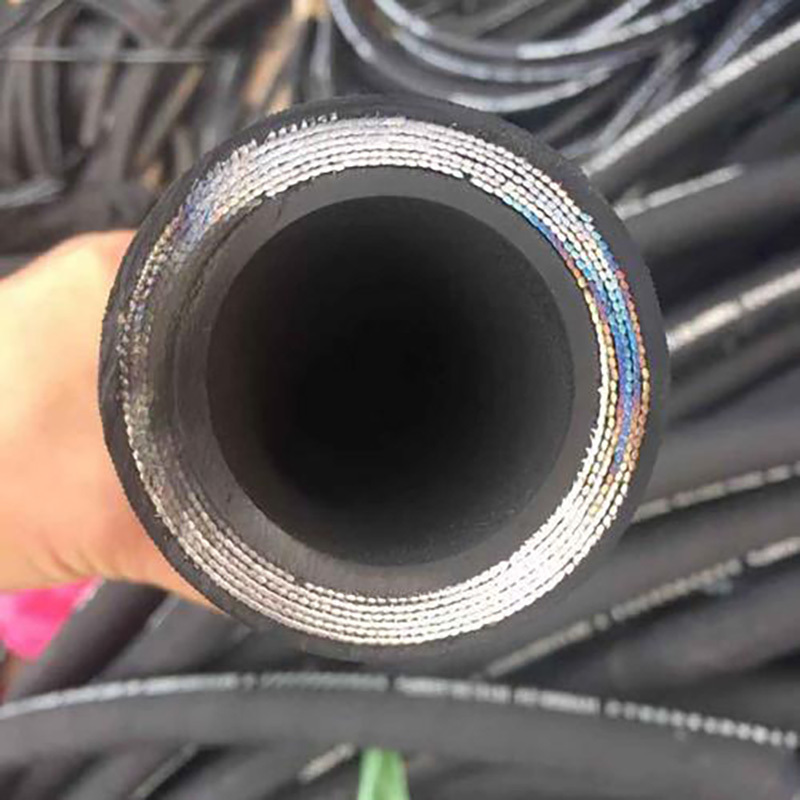
High pressure hoses are vital components in various industries, including automotive, manufacturing, and construction. They transport fluids and gases under high pressure, making them crucial for operational efficiency. However, improper maintenance can lead to failures, resulting in costly repairs and safety hazards. In this article, we provide **expert tips** for maintaining your high pressure hose assembly to ensure its reliability and extend its lifespan.
Table of Contents
- 1. Importance of Maintaining High Pressure Hoses
- 2. Conducting Regular Inspections
- 3. Effective Cleaning Techniques for High Pressure Hoses
- 4. Proper Storage Methods for Longevity
- 5. Identifying Wear and Tear in Hose Assemblies
- 6. Understanding the Pressure Rating and Its Importance
- 7. Best Practices for High Pressure Hose Maintenance
- 8. Conclusion
- 9. Frequently Asked Questions
1. Importance of Maintaining High Pressure Hoses
Maintaining your high pressure hose assembly is not just about extending its lifespan; it's about ensuring **safety** and **efficiency** in your operations. Regular maintenance helps prevent accidents that could result from hose failure, such as leaks or ruptures, which could pose serious risks to both personnel and equipment. Moreover, well-maintained hoses contribute to **improved performance** and reduced operational costs by minimizing downtime and repair expenses.
2. Conducting Regular Inspections
One of the first steps in maintaining high pressure hoses is to conduct regular inspections. Here's how to do it effectively:
2.1 Visual Inspections
Perform visual inspections every few weeks. Look for any signs of damage, such as cracks, abrasions, or bulges. Pay special attention to areas where the hoses bend or are subject to friction.
2.2 Check for Leaks
Inspect the fittings and connections for leaks. A simple way to check for leaks is by applying a soap solution to the joints. If bubbles form, you have a leak that needs immediate attention.
2.3 Pressure Testing
Conduct pressure tests periodically to ensure that the hoses can withstand the required operating pressures. This test should be performed according to manufacturer specifications to prevent accidents.
3. Effective Cleaning Techniques for High Pressure Hoses
Keeping your high pressure hoses clean is essential for their performance. Here are some effective cleaning techniques:
3.1 Use the Right Cleaning Agents
Select cleaning agents that are compatible with the fluids being transported. Avoid harsh chemicals that can degrade the hose material.
3.2 Cleaning Frequency
Establish a cleaning routine based on usage. Hoses exposed to contaminants should be cleaned more frequently to prevent build-up that could impede performance.
3.3 Proper Cleaning Methods
Use low-pressure water or air to clean hoses. Avoid high-pressure washing, as it can damage the hose and fittings.
4. Proper Storage Methods for Longevity
How you store your high pressure hoses can significantly impact their lifespan.
4.1 Keep Hoses Out of Direct Sunlight
Ultraviolet rays can weaken hose materials over time. Store hoses in a cool, dry place away from direct sunlight to minimize exposure.
4.2 Avoid kinking or crushing
When storing hoses, ensure they are not kinked or crushed. Use hose reels or brackets to keep them organized and free from damage.
4.3 Maintain a Controlled Environment
Store hoses in a controlled environment to avoid extreme temperatures and humidity, which can degrade materials.
5. Identifying Wear and Tear in Hose Assemblies
Recognizing signs of wear and tear is crucial for timely repairs or replacements.
5.1 Check the Fittings
Inspect fittings for signs of corrosion or wear. Worn fittings can lead to leaks, so replace them as necessary.
5.2 Look for Discoloration
Discoloration can indicate that the hose material is breaking down. If you notice significant color change, consider replacing the hose.
5.3 Monitor Performance Changes
If you experience changes in pressure or fluid flow, it could be a sign of hose deterioration. Conduct a thorough inspection to identify any issues.
6. Understanding the Pressure Rating and Its Importance
Every high pressure hose comes with a specified pressure rating which indicates the maximum pressure it can safely handle.
6.1 Choosing the Right Hose
Select hoses that match the pressure requirements of your application. Using a hose with a lower pressure rating than needed can lead to failures.
6.2 Regularly Review Pressure Ratings
Ensure that the pressure ratings of your hoses are reviewed regularly, especially if operating conditions change.
7. Best Practices for High Pressure Hose Maintenance
Implementing best practices can significantly improve the reliability of your hose assemblies.
7.1 Keep a Maintenance Log
Maintain a log of inspections, cleaning, and repairs. This log can help track the condition of each hose and identify patterns that may indicate a need for replacement.
7.2 Train Staff
Ensure that all staff members who handle high pressure hoses are trained in proper usage and maintenance to prevent accidental damage and ensure safety.
7.3 Use Protective Gear
When inspecting or working on hoses, wear appropriate protective gear to safeguard against unexpected ruptures or leaks.
8. Conclusion
Maintaining your high pressure hose assembly is crucial for ensuring safety, efficiency, and longevity in your operations. By conducting regular inspections, employing effective cleaning techniques, and understanding the importance of storage and pressure ratings, you can significantly enhance the performance of your hoses. Implement these best practices to protect your investment and maintain the integrity of your operations.
9. Frequently Asked Questions
Q1: How often should I inspect my high pressure hose assembly?
A1: Regular inspections should be conducted every few weeks, with more frequent checks in high-use environments.
Q2: What are the signs that my hose needs to be replaced?
A2: Look for cracks, bulges, discoloration, and any significant changes in pressure or fluid flow.
Q3: Can I use any cleaning agent for my high pressure hoses?
A3: No, you should use cleaning agents compatible with the fluids transported. Harsh chemicals can damage the hose material.
Q4: What is the importance of the pressure rating in hose selection?
A4: The pressure rating indicates the maximum pressure the hose can handle safely. Choosing a hose with an inadequate pressure rating can lead to failures.
Q5: How can I effectively store my high pressure hoses?
A5: Store hoses in a cool, dry place away from direct sunlight and avoid kinking or crushing them during storage.
By following these tips and strategies, you can ensure that your high pressure hose assembly remains in optimal working condition, providing safety and efficiency for your operations.
TAG:
PREVIOUS:

Contact Us
Phone/WhatsApp
Address
Fotai, Duqiao Town, Jing County, Hengshui City, Hebei Province, China
Your One Stop, One Solution!
Each optimal solution is determined by its particular application requirements, design, and installation parameters combined with our experience and know-how on rubber hose technology.
CONTACT US
E-Mail: andy@ydhose.com
Tel.:+86-18732861678
WhatsApp:+8613676932567
Address:Fotai, Duqiao Town, Jing County, Hengshui City, Hebei Province, China


