
Understanding Low Pressure Rubber Hoses: Essential Insights for Automotive Applications
Mar 27,2026
Low pressure rubber hoses play a crucial role in various automotive applications, serving as essential components for fluid transfer. These hoses are specifically designed to handle low-pressure systems, which makes them ideal for conveying air, water, and other non-corrosive fluids. Understanding the features and benefits of low pressure rubber hoses is vital for ensuring optimal performance and
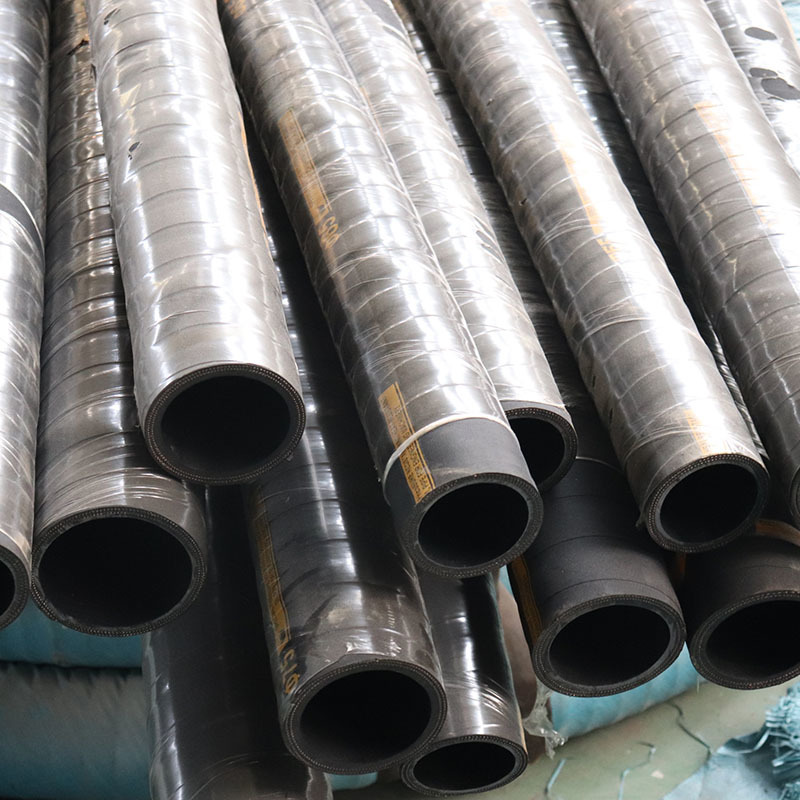
Low pressure rubber hoses play a crucial role in various automotive applications, serving as essential components for fluid transfer. These hoses are specifically designed to handle low-pressure systems, which makes them ideal for conveying air, water, and other non-corrosive fluids. Understanding the features and benefits of low pressure rubber hoses is vital for ensuring optimal performance and longevity in automotive settings.
One of the primary characteristics of low pressure rubber hoses is their construction. Typically made from synthetic rubber compounds, these hoses provide flexibility and resilience, allowing them to withstand the rigors of automotive environments. The material choice ensures that the hoses can handle vibrations, temperature fluctuations, and exposure to various environmental factors without compromising performance.
In automotive applications, low pressure rubber hoses are used in a variety of systems, including cooling systems, fuel delivery, and air intake systems. Their lightweight design makes installation easier and more efficient, while their durability ensures a longer service life. Additionally, these hoses are often resistant to abrasion and weathering, which enhances their reliability in outdoor environments.
When selecting low pressure rubber hoses for your automotive projects, it is important to consider factors such as temperature range, chemical compatibility, and dimensional specifications. Ensuring that the chosen hose meets the specific requirements of your application can help prevent leaks, failures, and safety hazards. Furthermore, proper installation and maintenance are essential to maximize the lifespan and efficiency of these hoses.
Another advantage of low pressure rubber hoses is their versatility. They can be custom-manufactured in various sizes, lengths, and shapes to suit different automotive applications. This adaptability allows for a seamless integration into existing systems, ensuring that vehicles operate smoothly and efficiently.
In summary, low pressure rubber hoses are indispensable components in the automotive industry, offering flexibility, durability, and efficiency for fluid transfer in low-pressure systems. By understanding their characteristics and applications, automotive professionals can make informed decisions that enhance vehicle performance and safety. Whether you're a manufacturer, mechanic, or automotive enthusiast, being knowledgeable about low pressure rubber hoses can significantly impact the effectiveness of your projects.
One of the primary characteristics of low pressure rubber hoses is their construction. Typically made from synthetic rubber compounds, these hoses provide flexibility and resilience, allowing them to withstand the rigors of automotive environments. The material choice ensures that the hoses can handle vibrations, temperature fluctuations, and exposure to various environmental factors without compromising performance.
In automotive applications, low pressure rubber hoses are used in a variety of systems, including cooling systems, fuel delivery, and air intake systems. Their lightweight design makes installation easier and more efficient, while their durability ensures a longer service life. Additionally, these hoses are often resistant to abrasion and weathering, which enhances their reliability in outdoor environments.
When selecting low pressure rubber hoses for your automotive projects, it is important to consider factors such as temperature range, chemical compatibility, and dimensional specifications. Ensuring that the chosen hose meets the specific requirements of your application can help prevent leaks, failures, and safety hazards. Furthermore, proper installation and maintenance are essential to maximize the lifespan and efficiency of these hoses.
Another advantage of low pressure rubber hoses is their versatility. They can be custom-manufactured in various sizes, lengths, and shapes to suit different automotive applications. This adaptability allows for a seamless integration into existing systems, ensuring that vehicles operate smoothly and efficiently.
In summary, low pressure rubber hoses are indispensable components in the automotive industry, offering flexibility, durability, and efficiency for fluid transfer in low-pressure systems. By understanding their characteristics and applications, automotive professionals can make informed decisions that enhance vehicle performance and safety. Whether you're a manufacturer, mechanic, or automotive enthusiast, being knowledgeable about low pressure rubber hoses can significantly impact the effectiveness of your projects.
TAG:
PREVIOUS:

Contact Us
Phone/WhatsApp
Address
Fotai, Duqiao Town, Jing County, Hengshui City, Hebei Province, China
Your One Stop, One Solution!
Each optimal solution is determined by its particular application requirements, design, and installation parameters combined with our experience and know-how on rubber hose technology.
CONTACT US
E-Mail: andy@ydhose.com
Tel.:+86-18732861678
WhatsApp:+8613676932567
Address:Fotai, Duqiao Town, Jing County, Hengshui City, Hebei Province, China


