
Understanding Hydraulic Support Hoses: Essential Components for Automotive Applications
Mar 12,2026
Hydraulic support hoses are specialized tubes designed to convey hydraulic fluids under pressure in various automotive applications. These hoses are integral to the functionality of hydraulic systems in vehicles, including braking systems, power steering, and suspension systems. Their primary purpose is to transfer hydraulic fluids efficiently, enabling the operation of various components that rel
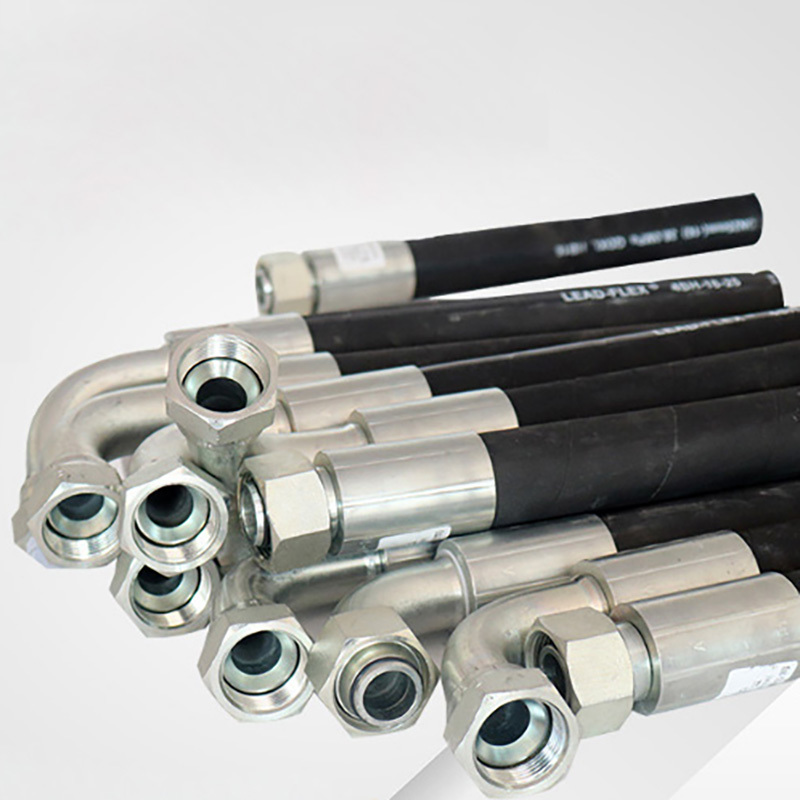
Hydraulic support hoses are specialized tubes designed to convey hydraulic fluids under pressure in various automotive applications. These hoses are integral to the functionality of hydraulic systems in vehicles, including braking systems, power steering, and suspension systems. Their primary purpose is to transfer hydraulic fluids efficiently, enabling the operation of various components that rely on hydraulic pressure to function.
The construction of hydraulic support hoses typically involves a combination of high-strength materials such as synthetic rubber, reinforced fibers, and sometimes steel wire braiding. This layered design ensures that the hoses can withstand high pressures while remaining flexible enough to accommodate the dynamic movements of automotive systems. The inner layer is designed to resist the corrosive effects of hydraulic fluids, while the outer layer provides protection against abrasions and environmental factors.
One of the critical aspects of hydraulic support hoses is their pressure rating, which determines how much pressure they can safely handle. It is essential to select the correct hose for specific applications, as using a hose with an inadequate pressure rating can lead to catastrophic failures, potentially resulting in accidents or damage to vehicle components. Additionally, hoses must be compatible with the type of hydraulic fluid used in the system to prevent degradation over time.
Regular maintenance of hydraulic support hoses is vital to ensure their longevity and reliability. Signs of wear or damage, such as cracks, leaks, or bulging, should be addressed immediately. It is recommended to inspect these hoses periodically, especially in high-performance or heavy-use vehicles, as the stresses placed on them can lead to premature failure.
Furthermore, proper installation is equally important. Hydraulic support hoses should be routed carefully to avoid sharp bends, kinks, or contact with hot surfaces, which can compromise their integrity. Using appropriate fittings and clamps can help secure the hoses in place and prevent any unintended movement that could lead to wear or damage.
In conclusion, hydraulic support hoses are essential components in modern automotive systems, enabling the efficient transfer of hydraulic fluids necessary for the operation of critical vehicle functions. Understanding their construction, pressure ratings, and maintenance practices is vital for anyone involved in the automotive industry. By ensuring these hoses are in optimal condition, you can enhance safety, performance, and longevity in automotive applications.
The construction of hydraulic support hoses typically involves a combination of high-strength materials such as synthetic rubber, reinforced fibers, and sometimes steel wire braiding. This layered design ensures that the hoses can withstand high pressures while remaining flexible enough to accommodate the dynamic movements of automotive systems. The inner layer is designed to resist the corrosive effects of hydraulic fluids, while the outer layer provides protection against abrasions and environmental factors.
One of the critical aspects of hydraulic support hoses is their pressure rating, which determines how much pressure they can safely handle. It is essential to select the correct hose for specific applications, as using a hose with an inadequate pressure rating can lead to catastrophic failures, potentially resulting in accidents or damage to vehicle components. Additionally, hoses must be compatible with the type of hydraulic fluid used in the system to prevent degradation over time.
Regular maintenance of hydraulic support hoses is vital to ensure their longevity and reliability. Signs of wear or damage, such as cracks, leaks, or bulging, should be addressed immediately. It is recommended to inspect these hoses periodically, especially in high-performance or heavy-use vehicles, as the stresses placed on them can lead to premature failure.
Furthermore, proper installation is equally important. Hydraulic support hoses should be routed carefully to avoid sharp bends, kinks, or contact with hot surfaces, which can compromise their integrity. Using appropriate fittings and clamps can help secure the hoses in place and prevent any unintended movement that could lead to wear or damage.
In conclusion, hydraulic support hoses are essential components in modern automotive systems, enabling the efficient transfer of hydraulic fluids necessary for the operation of critical vehicle functions. Understanding their construction, pressure ratings, and maintenance practices is vital for anyone involved in the automotive industry. By ensuring these hoses are in optimal condition, you can enhance safety, performance, and longevity in automotive applications.
TAG:
PREVIOUS:

Contact Us
Phone/WhatsApp
Address
Fotai, Duqiao Town, Jing County, Hengshui City, Hebei Province, China
Your One Stop, One Solution!
Each optimal solution is determined by its particular application requirements, design, and installation parameters combined with our experience and know-how on rubber hose technology.
CONTACT US
E-Mail: andy@ydhose.com
Tel.:+86-18732861678
WhatsApp:+8613676932567
Address:Fotai, Duqiao Town, Jing County, Hengshui City, Hebei Province, China


