
How Wire Reinforced Rubber Hoses Can Prevent Leaks in Automotive Systems
Aug 22,2026
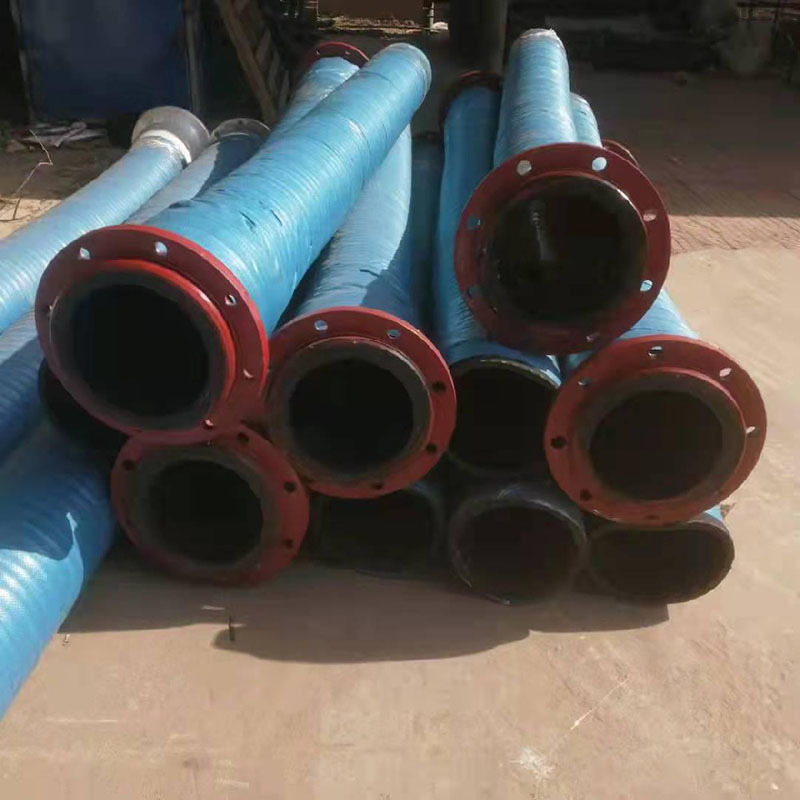
How Wire Reinforced Rubber Hoses Can Prevent Leaks in Automotive Systems
In the realm of automotive engineering, the integrity of systems relies heavily on the components that keep fluids contained and moving efficiently. Among these essential components are wire reinforced rubber hoses, which serve as a robust solution to leaks that can jeopardize vehicle performance and safety. This article explores the pivotal role of wire reinforced rubber hoses, detailing their construction, applications, and advantages in preventing leaks across various automotive systems.
Table of Contents
- Understanding Wire Reinforced Rubber Hoses
- Construction and Materials of Wire Reinforced Rubber Hoses
- Importance in Automotive Systems
- How They Prevent Leaks in Automotive Systems
- Applications in Automotive Engineering
- Best Practices for Installation and Maintenance
- Comparing Wire Reinforced Hoses with Other Options
- Frequently Asked Questions
- Conclusion
Understanding Wire Reinforced Rubber Hoses
Wire reinforced rubber hoses are specialized tubing designed to withstand high pressure and extreme temperatures. They incorporate strands of wire or textile within the rubber, providing added strength and flexibility. This reinforcement allows the hose to maintain its shape and functionality, even under challenging conditions.
What Makes Wire Reinforced Rubber Hoses Unique?
The unique feature of these hoses lies in their construction. The inner layer is typically made of high-quality rubber, while the reinforcement layer consists of spiraled wire or textile material. This combination allows the hose to endure significant pressure fluctuations without collapsing or bursting.
Construction and Materials of Wire Reinforced Rubber Hoses
The materials used in wire reinforced rubber hoses are crucial for their performance. Commonly, synthetic rubber compounds such as NBR (Nitrile Butadiene Rubber), EPDM (Ethylene Propylene Diene Monomer), and SBR (Styrene Butadiene Rubber) are utilized due to their excellent resistance to oils, heat, and weather conditions.
The Role of Wire Reinforcement
The wire reinforcement is essential for providing structural integrity. Typically made from steel or textile, this layer ensures that the hose can handle high-pressure environments without deforming. The correct gauge of wire is selected based on the specific application, ensuring optimal performance.
Importance in Automotive Systems
In automotive systems, wire reinforced rubber hoses play a critical role in ensuring the safe and efficient transport of fluids, including coolant, fuel, hydraulic fluids, and air. Leaks in these systems can lead to severe consequences, from engine overheating to dangerous fuel leaks.
Enhancing System Reliability
By incorporating wire reinforced rubber hoses, automotive engineers can enhance the reliability of various systems. These hoses are designed to withstand the rigors of automotive environments, offering longevity and performance that standard hoses may not provide.
How They Prevent Leaks in Automotive Systems
The prevention of leaks is largely attributed to the structural integrity afforded by the wire reinforcement. When under pressure, these hoses maintain their shape, ensuring that fluid remains contained within the system.
Factors Contributing to Leak Prevention
- Pressure Resistance: Wire reinforced hoses can withstand higher pressures than standard hoses, greatly reducing the risk of burst.
- Temperature Tolerance: The materials used can endure high temperatures, preventing degradation that can lead to leaks.
- Flexibility and Movement: These hoses can bend and flex without kinking, ensuring continuous fluid flow.
Applications in Automotive Engineering
Wire reinforced rubber hoses find applications in various automotive systems, including:
Cooling Systems
In cooling systems, these hoses transport coolant from the radiator to the engine, preventing overheating. Their ability to handle high temperatures and pressures is crucial in maintaining engine stability.
Fuel Systems
Wire reinforced hoses are integral in fuel systems, where they deliver fuel from the tank to the engine. Their robustness ensures safety and efficiency, preventing leaks that could lead to hazardous situations.
Hydraulic Systems
In hydraulic systems, these hoses facilitate fluid transfer for braking and steering, where reliability is paramount. A leak in such systems can lead to catastrophic failure.
Air Intake Systems
In air intake systems, wire reinforced hoses help regulate airflow, ensuring optimal engine performance. They maintain their structure while providing the necessary flexibility for engine movement.
Best Practices for Installation and Maintenance
To maximize the lifespan and performance of wire reinforced rubber hoses, certain best practices should be followed during installation and maintenance.
Installation Guidelines
- Always ensure the correct size and type of hose is selected for the application.
- Use proper clamps and fittings to secure the hose, preventing leaks at connection points.
- Avoid sharp bends or kinks during installation, which can compromise hose integrity.
Regular Maintenance
- Inspect hoses regularly for signs of wear, cracking, or damage.
- Replace hoses showing any signs of deterioration to avoid sudden failures.
- Ensure that connection points are tightened and free of leaks.
Comparing Wire Reinforced Hoses with Other Options
When considering options for automotive hoses, wire reinforced rubber hoses offer distinct advantages over regular rubber or plastic hoses.
Durability and Longevity
While standard hoses may be suitable for low-pressure applications, wire reinforced hoses excel under high-stress conditions, offering longer service life and reduced replacement frequency.
Performance Under Pressure
Compared to their counterparts, wire reinforced hoses maintain superior performance in high-pressure environments, significantly lowering the risk of leaks and system failure.
Cost-Effectiveness
Although wire reinforced rubber hoses may have a higher initial cost, their durability and reduced risk of failure make them a more cost-effective choice over time.
Frequently Asked Questions
1. What are wire reinforced rubber hoses used for?
Wire reinforced rubber hoses are primarily used for transporting fluids in automotive systems, including coolant, fuel, hydraulic fluids, and air.
2. How do wire reinforced hoses differ from standard rubber hoses?
Wire reinforced hoses are designed with additional structural support, allowing them to withstand higher pressures and temperatures than standard rubber hoses.
3. How can I tell if my wire reinforced hose needs replacing?
Look for signs of wear, such as cracks, bulges, or leaks. If you notice any of these issues, it’s best to replace the hose immediately.
4. Are wire reinforced hoses more expensive than standard hoses?
Yes, wire reinforced hoses generally have a higher initial cost due to their enhanced materials and construction, but they often provide better long-term value due to their durability.
5. Can I use wire reinforced rubber hoses in all automotive systems?
While they are versatile, it’s important to select the appropriate type of hose for specific applications to ensure optimal performance.
Conclusion
Wire reinforced rubber hoses are an indispensable component in modern automotive systems, significantly contributing to the prevention of leaks and enhancing overall vehicle performance. Their unique construction allows them to withstand the rigors of high-pressure and high-temperature environments, ensuring that automotive systems operate effectively and safely. By understanding their importance, applications, and best practices for installation and maintenance, automotive professionals can maximize the benefits of using these robust hoses, ultimately leading to safer, more reliable vehicles.
PREVIOUS:

Contact Us
Phone/WhatsApp
Address
Fotai, Duqiao Town, Jing County, Hengshui City, Hebei Province, China
Your One Stop, One Solution!
Each optimal solution is determined by its particular application requirements, design, and installation parameters combined with our experience and know-how on rubber hose technology.
CONTACT US
E-Mail: andy@ydhose.com
Tel.:+86-18732861678
WhatsApp:+8613676932567
Address:Fotai, Duqiao Town, Jing County, Hengshui City, Hebei Province, China


