
Understanding Low Pressure Rubber Hoses: Applications and Benefits
May 06,2026
Low pressure rubber hoses are essential components in various automotive and industrial applications, offering flexibility and durability that make them invaluable in today's machinery. These hoses are specifically designed to handle pressures lower than those of high-pressure hoses, making them ideal for a range of uses. Understanding their properties, applications, and benefits can greatly aid i
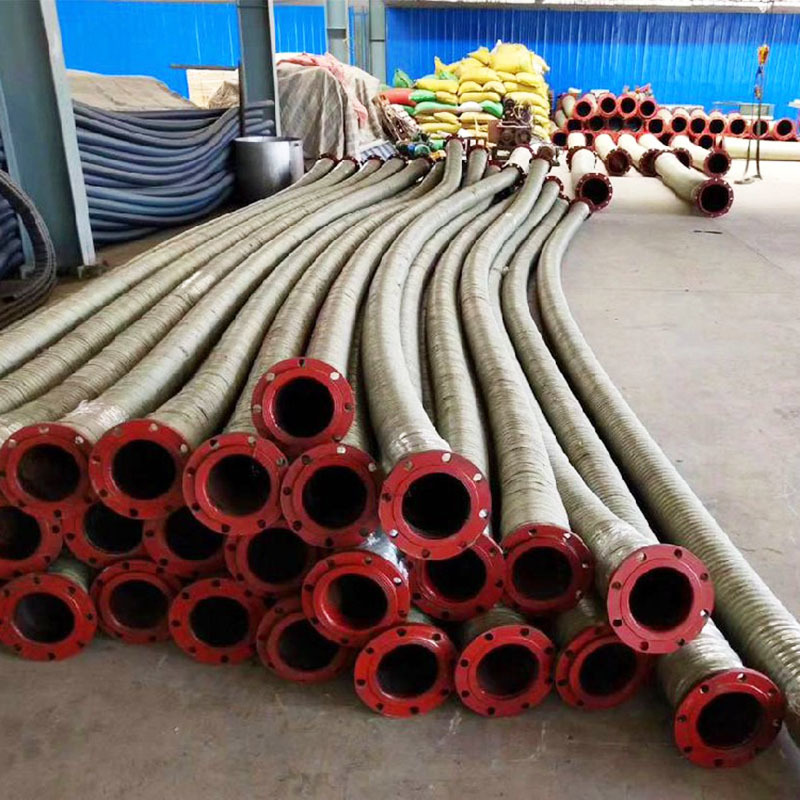
Low pressure rubber hoses are essential components in various automotive and industrial applications, offering flexibility and durability that make them invaluable in today's machinery. These hoses are specifically designed to handle pressures lower than those of high-pressure hoses, making them ideal for a range of uses. Understanding their properties, applications, and benefits can greatly aid in selecting the right hose for your needs.
One of the primary advantages of low pressure rubber hoses is their flexibility. They are often constructed from high-quality rubber compounds that allow for easy maneuverability and installation in tight spaces. This characteristic is especially important in automotive applications, where space is often limited. These hoses can be easily routed around obstacles, contributing to a more efficient design and better overall performance of the system.
Another significant feature of low pressure rubber hoses is their resistance to various environmental factors. Many of these hoses are designed to withstand exposure to oils, fuels, and other chemicals commonly found in automotive settings. Additionally, they often possess UV and ozone resistance, ensuring longevity even when exposed to harsh outdoor conditions. This durability reduces the need for frequent replacements, ultimately saving time and money for businesses and vehicle owners.
Low pressure rubber hoses are widely used in several automotive applications, including fuel delivery systems, coolant lines, and air intake systems. Their ability to maintain performance under varying temperatures and pressures ensures that vital fluids can flow effectively throughout the vehicle's systems. This reliability is crucial, as a failure in any of these hoses can lead to severe engine issues or even safety hazards.
Furthermore, these hoses can be tailored to meet specific requirements, such as diameter, length, and wall thickness. Customization allows for optimized performance in specific applications, ensuring that the hose functions effectively within the constraints of the system. Whether you're looking for a hose that can handle high temperatures or one that requires a particular bend radius, low pressure rubber hoses can be designed to fit your needs.
In conclusion, low pressure rubber hoses are indispensable components in the automotive and industrial sectors. Their flexibility, resistance to environmental factors, and adaptability make them a reliable choice for a diverse range of applications. When selecting a hose, it’s essential to consider the specific requirements of your system to ensure optimal performance and longevity. By understanding the benefits and applications of low pressure rubber hoses, you can make informed decisions that enhance efficiency and reliability in your operations.
One of the primary advantages of low pressure rubber hoses is their flexibility. They are often constructed from high-quality rubber compounds that allow for easy maneuverability and installation in tight spaces. This characteristic is especially important in automotive applications, where space is often limited. These hoses can be easily routed around obstacles, contributing to a more efficient design and better overall performance of the system.
Another significant feature of low pressure rubber hoses is their resistance to various environmental factors. Many of these hoses are designed to withstand exposure to oils, fuels, and other chemicals commonly found in automotive settings. Additionally, they often possess UV and ozone resistance, ensuring longevity even when exposed to harsh outdoor conditions. This durability reduces the need for frequent replacements, ultimately saving time and money for businesses and vehicle owners.
Low pressure rubber hoses are widely used in several automotive applications, including fuel delivery systems, coolant lines, and air intake systems. Their ability to maintain performance under varying temperatures and pressures ensures that vital fluids can flow effectively throughout the vehicle's systems. This reliability is crucial, as a failure in any of these hoses can lead to severe engine issues or even safety hazards.
Furthermore, these hoses can be tailored to meet specific requirements, such as diameter, length, and wall thickness. Customization allows for optimized performance in specific applications, ensuring that the hose functions effectively within the constraints of the system. Whether you're looking for a hose that can handle high temperatures or one that requires a particular bend radius, low pressure rubber hoses can be designed to fit your needs.
In conclusion, low pressure rubber hoses are indispensable components in the automotive and industrial sectors. Their flexibility, resistance to environmental factors, and adaptability make them a reliable choice for a diverse range of applications. When selecting a hose, it’s essential to consider the specific requirements of your system to ensure optimal performance and longevity. By understanding the benefits and applications of low pressure rubber hoses, you can make informed decisions that enhance efficiency and reliability in your operations.
TAG:
PREVIOUS:

Contact Us
Phone/WhatsApp
Address
Fotai, Duqiao Town, Jing County, Hengshui City, Hebei Province, China
Your One Stop, One Solution!
Each optimal solution is determined by its particular application requirements, design, and installation parameters combined with our experience and know-how on rubber hose technology.
CONTACT US
E-Mail: andy@ydhose.com
Tel.:+86-18732861678
WhatsApp:+8613676932567
Address:Fotai, Duqiao Town, Jing County, Hengshui City, Hebei Province, China


