
Understanding Hydraulic Support Hoses: Essential Components of Automotive Systems
May 02,2026
Hydraulic support hoses are indispensable elements in automotive systems, particularly in the realm of hydraulic applications. These hoses facilitate the seamless transfer of hydraulic fluid, enabling various vehicle systems to operate efficiently. Understanding the intricacies of hydraulic support hoses can significantly enhance the performance and reliability of automotive machinery.
Primarily
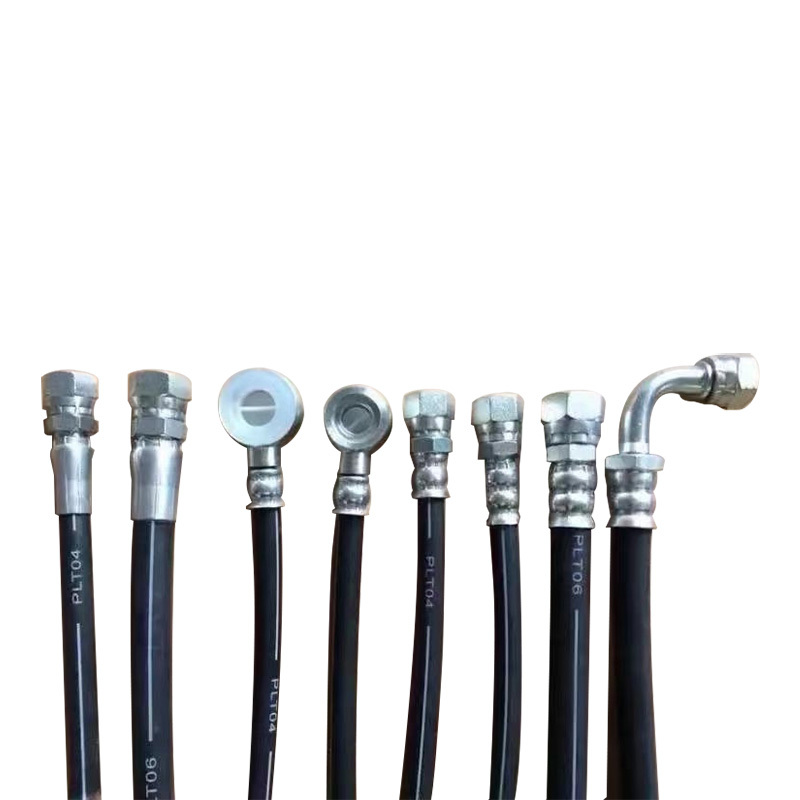
Hydraulic support hoses are indispensable elements in automotive systems, particularly in the realm of hydraulic applications. These hoses facilitate the seamless transfer of hydraulic fluid, enabling various vehicle systems to operate efficiently. Understanding the intricacies of hydraulic support hoses can significantly enhance the performance and reliability of automotive machinery.
Primarily composed of a rubber outer layer and reinforced with textile or metal braiding, hydraulic support hoses are engineered to withstand high-pressure environments. The inner tube is typically made of synthetic rubber, which provides excellent resistance to hydraulic fluids, heat, and aging. This construction ensures that the hoses do not easily deform or rupture under pressure, maintaining the integrity of the fluid transfer system.
In automotive applications, hydraulic support hoses play a vital role in various systems, including braking, steering, and suspension. For instance, in braking systems, these hoses deliver hydraulic fluid from the master cylinder to the brake calipers, ensuring that braking force is transmitted effectively when the driver applies the brakes. Similarly, in power steering systems, hydraulic support hoses facilitate fluid movement, allowing for a smooth steering experience.
When selecting hydraulic support hoses, professionals must consider several factors, including operating pressure, temperature tolerance, and compatibility with the hydraulic fluid used. Properly sized hoses are essential, as hoses that are too long or too short can lead to inefficiencies and increased wear. Additionally, the choice of materials plays a crucial role in the hose's longevity and performance. For automotive applications, hoses must be resistant to oil and other chemicals while also being flexible enough to handle vibrations and movement.
Maintenance of hydraulic support hoses is crucial for ensuring their longevity and operational efficiency. Regular inspections for signs of wear, such as cracks or leaks, are essential. It is advisable to replace hoses that show any signs of deterioration to prevent potential failures that could compromise vehicle safety. Furthermore, ensuring that connections are secure can help avoid leaks that could lead to loss of pressure and performance issues.
In conclusion, hydraulic support hoses are fundamental components in automotive systems that require careful selection and maintenance. By understanding their construction, function, and the importance of regular checks, automotive professionals can ensure that their vehicles operate safely and efficiently. Whether you are involved in manufacturing, installation, or maintenance, having a solid grasp of hydraulic support hoses will undoubtedly enhance your expertise in the automotive field.
Primarily composed of a rubber outer layer and reinforced with textile or metal braiding, hydraulic support hoses are engineered to withstand high-pressure environments. The inner tube is typically made of synthetic rubber, which provides excellent resistance to hydraulic fluids, heat, and aging. This construction ensures that the hoses do not easily deform or rupture under pressure, maintaining the integrity of the fluid transfer system.
In automotive applications, hydraulic support hoses play a vital role in various systems, including braking, steering, and suspension. For instance, in braking systems, these hoses deliver hydraulic fluid from the master cylinder to the brake calipers, ensuring that braking force is transmitted effectively when the driver applies the brakes. Similarly, in power steering systems, hydraulic support hoses facilitate fluid movement, allowing for a smooth steering experience.
When selecting hydraulic support hoses, professionals must consider several factors, including operating pressure, temperature tolerance, and compatibility with the hydraulic fluid used. Properly sized hoses are essential, as hoses that are too long or too short can lead to inefficiencies and increased wear. Additionally, the choice of materials plays a crucial role in the hose's longevity and performance. For automotive applications, hoses must be resistant to oil and other chemicals while also being flexible enough to handle vibrations and movement.
Maintenance of hydraulic support hoses is crucial for ensuring their longevity and operational efficiency. Regular inspections for signs of wear, such as cracks or leaks, are essential. It is advisable to replace hoses that show any signs of deterioration to prevent potential failures that could compromise vehicle safety. Furthermore, ensuring that connections are secure can help avoid leaks that could lead to loss of pressure and performance issues.
In conclusion, hydraulic support hoses are fundamental components in automotive systems that require careful selection and maintenance. By understanding their construction, function, and the importance of regular checks, automotive professionals can ensure that their vehicles operate safely and efficiently. Whether you are involved in manufacturing, installation, or maintenance, having a solid grasp of hydraulic support hoses will undoubtedly enhance your expertise in the automotive field.

Contact Us
Phone/WhatsApp
Address
Fotai, Duqiao Town, Jing County, Hengshui City, Hebei Province, China
Your One Stop, One Solution!
Each optimal solution is determined by its particular application requirements, design, and installation parameters combined with our experience and know-how on rubber hose technology.
CONTACT US
E-Mail: andy@ydhose.com
Tel.:+86-18732861678
WhatsApp:+8613676932567
Address:Fotai, Duqiao Town, Jing County, Hengshui City, Hebei Province, China


